


Target
Treatment / Non-Surgical
BBL (BroadBand Light)
A focused treatment page built around indication, mechanism, expected experience and realistic limits.
Individual assessment
Indication first
Realistic expectations
Clinical focus
Treat the right mechanism — not simply the visible sign.
Treatment snapshot
Primary goalIndividual indication
AppointmentVaries by treatment
DowntimeDepends on method and area
SessionsPersonalized plan
ResultsTreatment-specific timeline
These are orientation points, not promises. Timing and suitability depend on the treatment, anatomy and individual response.
Mechanism
Which method matches the underlying issue?
Plan
What intensity, timing and follow-up make sense?
BBL is often introduced as a treatment that can improve almost everything patients associate with “old skin”: brown spots, redness, sun damage, uneven tone and sometimes even texture.
That broad list can make the technology sound as though it somehow recognises ageing itself.
It does not.
BroadBand Light is a proprietary form of pulsed-light technology. It delivers high-intensity, non-coherent light across selected wavelength ranges rather than using one single laser wavelength. Filters and treatment parameters are chosen so that particular chromophores in the skin — especially melanin and haemoglobin — absorb more of that light.
This is why the technology can address several apparently different visible concerns.
It is not treating “ageing” as one biological process.
It is treating selected optical targets that happen to become more visible with sun exposure and time.
For me, therefore, the first question is not whether someone is a good candidate for photorejuvenation.
It is more specific: what colour are we trying to treat, what structure is creating that colour, and can we deliver enough light to the target without asking the surrounding skin to absorb too much of it?
BBL is pulsed light, not a laser
The distinction is technical but clinically useful.
A laser emits a relatively specific wavelength of coherent light. Intense pulsed-light systems use a broader spectrum of non-coherent light and then narrow that spectrum through filters and device parameters according to the intended target.
BBL is Sciton’s proprietary BroadBand Light platform within this broader pulsed-light family.
That does not make it simply “better IPL” in every clinical situation.
Device design, cooling, pulse characteristics and available filters matter, but treatment still depends on the same fundamental relationship between light, chromophore and tissue.
The device does not treat a diagnosis because the diagnosis appears on the screen.
Light still has to find the correct target in the correct skin.
The central principle is selective photothermolysis, not general skin heating
When a pigment target absorbs light, that energy is converted into heat.
If the wavelength, pulse characteristics and fluence are appropriate, enough thermal injury can be produced in the target to create a clinical effect while limiting injury to surrounding tissue.
Melanin is one important chromophore.
Haemoglobin is another.
This explains why pulsed-light treatments can be used for selected brown pigmentation and selected vascular redness even though those two concerns arise from different tissues.
The machine is not treating brown and red because they are both signs of photoaging.
It is treating them because they absorb different parts of the light spectrum in clinically useful ways.
That mechanism also explains much of the risk.
If too much energy is absorbed by non-target melanin in the epidermis, the surrounding skin can be injured.
BBL is particularly coherent when photoaging is a colour problem
Long-term ultraviolet exposure can produce mottled pigmentation, lentigines, telangiectasia and diffuse uneven tone.
A patient may describe the entire face as older or less clear even when there is very little structural sagging.
This is where light-based treatment can create an interesting visual result.
Reducing scattered brown lesions and background redness can make the skin look more uniform, and uniform skin often looks younger even though no tissue has been lifted and no facial volume has changed.
I think this is a much cleaner way to explain photorejuvenation.
The face looks fresher because some of the visible evidence of accumulated photodamage has been reduced.
That is different from reversing biological age.
A sunspot is a better BBL target than an undefined brown patch
Discrete benign lentigines can respond very well to appropriately selected light treatment because they contain excess melanin in a relatively localised pattern.
The word benign matters.
I do not want a changing or diagnostically uncertain pigmented lesion treated simply because it absorbs light.
Aesthetic removal can destroy or alter a lesion that first needed medical assessment.
This is why the treatment pathway begins with identification rather than firing a test pulse at every brown mark.
Before I make a pigmented lesion disappear cosmetically, I want to be comfortable that it was appropriate to make it disappear.
Technology does not remove the need for diagnosis.
Melasma is not simply a collection of sunspots
This is one of the most important pigment distinctions with pulsed light.
Melasma involves a chronic, reactive pigment system influenced by ultraviolet exposure, visible light, hormonal and genetic factors and other biological variables.
A sunspot is usually a much more local target.
That means a treatment that works beautifully on discrete lentigines can behave very differently when applied aggressively to melasma.
Light and heat can provoke pigment activity in susceptible skin, and post-inflammatory hyperpigmentation can further complicate the result.
I therefore do not use BBL as though “brown is brown”.
Melasma requires its own diagnostic and long-term management strategy. Pulsed light may have selected roles in carefully chosen circumstances, but the threshold should be higher and the expectation more cautious.
Redness also needs a diagnosis
Diffuse facial redness can be caused by visible superficial vessels, background erythema, rosacea and several inflammatory skin conditions.
When haemoglobin-containing vascular structures are a meaningful part of the visible problem, pulsed-light treatment can reduce some of that redness.
This is particularly useful for telangiectatic vessels and selected erythematous patterns.
But rosacea is not simply a collection of vessels waiting to be heated.
It is a chronic inflammatory condition with vascular, neurological and environmental components.
BBL can improve the visible vascular component without curing the disease tendency.
The patient may still need trigger management, skincare or medical therapy according to the type of rosacea present.
This is another place where improving the photograph and curing the biology are not the same claim.
The best BBL result may come from treating two different colours for two different reasons
A photoaged face frequently contains both brown and red components.
One area may contain discrete lentigines while another contains visible vessels or diffuse erythema.
Because pulsed-light systems can use different filters and treatment parameters, those components can sometimes be addressed within a coherent treatment strategy.
What makes the treatment elegant is not that one setting treats everything at once.
It is that the platform can be adjusted according to different chromophore targets.
I want those targets identified separately.
If the whole face is treated with one aggressive setting simply because several colours are present, versatility has been converted into imprecision.
Skin tone changes the physics of the treatment
Melanin exists not only in unwanted brown lesions but also in normal epidermis.
As baseline epidermal melanin increases, more of the delivered light can be absorbed before it reaches the intended target.
This narrows the treatment margin.
The same principle applies to tanning.
A tan is not simply healthy colour surrounding a sunspot. It means there is more melanin available to compete for the light energy.
This can increase the risk of burns, blistering, post-inflammatory hyperpigmentation or hypopigmentation when treatment parameters are inappropriate.
The machine cannot distinguish “pigment I want to keep” from “pigment I want to remove” unless the treatment physics allow it to.
This is why skin type, recent sun exposure and tanning history are not administrative questions before BBL.
They are part of the dose calculation.
Darker skin is not one universal contraindication, but it requires a different margin for error
I do not like absolute statements in either direction.
It is too simplistic to say that pulsed light can never be used in darker skin.
It is equally simplistic to say that modern cooling or newer devices make epidermal melanin irrelevant.
The indication, filter, fluence, pulse structure, cooling and patient’s pigment behaviour all matter.
Some treatment modes and targets can be approached conservatively in a broader range of skin types. Other pigment-focused applications become progressively less attractive as background melanin increases.
I want the expected benefit to justify that narrower margin.
There is no reason to pursue a marginal cosmetic improvement with aggressive light settings in skin likely to respond to injury with months of new pigment.
BBL and resurfacing are different treatment concepts
This distinction prevents another common expectation error.
BBL can improve colour uniformity and selected vascular or pigment lesions without physically removing layers of skin in the way an ablative resurfacing laser does.
Some patients also report improvement in general skin quality after a course of pulsed-light treatment, and studies of IPL photorejuvenation have described changes in texture, pores and aspects of photoaging.
But I would not make deep scar remodelling or major wrinkle correction the central indication.
A tethered acne scar is not an optical chromophore problem. A deep etched wrinkle contains structural tissue change. Significant roughness or resurfacing need may be better addressed through another modality.
Better skin colour can make texture appear better in photographs.
That should not be confused with actually rebuilding a deep scar.
The term “Forever Young” is where marketing and biology need to separate
Long-term BBL treatment has been studied, including research looking at the appearance of chronically treated skin and even gene-expression patterns associated with ageing.
Those findings are scientifically interesting.
I would not translate them into the claim that regular BBL keeps the skin biologically young forever.
A small pilot study showing that certain gene-expression patterns after BBL resemble patterns seen in younger skin does not mean ageing has been reversed at the level of the whole face.
Bone, fat, ligaments, muscle and skin continue to age.
Ultraviolet exposure continues to matter.
What I think is clinically defensible is much simpler: repeated appropriate treatment can help control some visible manifestations of photodamage in patients who respond well.
That is useful without turning a biomarker study into a promise of age reversal.
BBL does not replace photoprotection
This is fundamental.
If light treatment clears a series of solar lentigines and the patient continues accumulating ultraviolet damage without meaningful protection, we have treated evidence of the injury while allowing the injury process to continue.
New lesions can develop.
Background pigment can return.
Vascular and textural signs of photodamage can continue evolving.
Photoprotection therefore becomes part of maintaining the result.
It is not merely a rule for the first week after treatment.
A device can reduce yesterday’s photodamage.
It cannot protect tomorrow’s skin unless the patient does that part too.
The immediate darkening of a spot can be part of treatment rather than treatment failure
After appropriately targeted pigment treatment, selected brown lesions may temporarily become darker before they lighten or flake as the treated pigment is processed.
Redness and mild swelling can also occur.
The early appearance therefore does not always resemble the intended final result.
This needs to be explained beforehand because otherwise a patient sees darker spots the next morning and assumes the pigmentation has been worsened.
At the same time, not every dark or blistered reaction should be dismissed as normal.
Excessive pain, blistering or unexpected skin injury requires assessment.
The distinction comes from knowing the expected treatment endpoint and the actual tissue response.
A photorejuvenation session should not be judged by how strong the flash felt
Patients sometimes associate a more intense treatment sensation with greater efficacy.
I do not.
Energy delivery has to remain sufficient for the target and safe for the surrounding skin.
Once that balance is achieved, increasing fluence simply to make the treatment feel stronger can reduce the safety margin.
The same applies to visible redness afterwards.
A dramatic post-treatment reaction is not a certificate that more photodamage has been removed.
The useful endpoint is selective target response, not maximum inflammation.
One session may produce change, but treatment number should follow the target
Discrete pigment lesions can sometimes respond visibly after relatively few treatments.
Diffuse redness, mixed photodamage or a broader field of vascular and pigment irregularity may require a staged series.
I do not want one universal BBL package for every face.
The number of treatments should depend on what is being treated, how much target remains and how the skin recovered from the previous session.
If the brown lesions have cleared and the patient is satisfied, additional passes do not become necessary because three sessions were originally advertised.
If redness remains but pigment has responded, the next session can be designed around what remains.
The treatment should become more specific as we gain information.
Maintenance should not become compulsory annual light exposure
Patients who respond well may choose periodic treatment when photodamage begins to reappear.
That can be reasonable.
But I prefer maintenance based on visible indication rather than a marketing calendar.
If the skin remains even and well protected, there may be little reason to perform another full treatment simply because twelve months have passed.
If a new lesion appears, that lesion first needs to be identified rather than automatically included in the next maintenance session.
If a different problem has become dominant — laxity, scars, structural ageing — repeating BBL does not become more useful because it worked well for colour several years earlier.
Combination treatment should follow separate mechanisms
BBL is often combined with fractional lasers, non-ablative resurfacing or other treatments.
This can be rational when the patient genuinely has multiple layers of photodamage.
BBL may address vascular and pigment targets while another modality addresses surface texture or deeper remodelling.
That is a coherent combination because the treatments have different jobs.
What I avoid is turning combination therapy into evidence that every patient should receive every platform.
If colour is the only meaningful problem, treating colour may be enough.
Complexity should follow diagnosis.
What a good BBL result means to me
I want the skin to look more uniform.
Brown lesions that were visually dominant may be lighter or gone. Selected superficial vessels and background redness may become less obvious. The overall face may look clearer because irregular colour is no longer attracting attention.
I do not expect a facelift.
I do not expect a deep acne scar to disappear. I do not expect melasma to lose its biological tendency to recur. I do not expect the skin to become immune to future ultraviolet exposure.
The treatment is strongest when it does what light-based treatment is particularly good at: identifying and reducing selected optical targets.
When BBL makes sense to me
I am most comfortable recommending BBL when the patient has clearly identified benign pigment or vascular features that fit pulsed-light treatment and when the skin type and recent sun exposure provide an acceptable treatment margin.
It is particularly coherent in selected photodamage where brown and red irregularities are major contributors to the appearance of aged skin.
I become more cautious with active tanning, highly pigment-reactive skin, melasma, diagnostically uncertain pigmented lesions or expectations centred on lifting, deep resurfacing or structural facial change.
BBL can be an excellent tool.
Its versatility is not that it treats every sign of ageing.
Its versatility comes from being able to address several different light-absorbing targets — as long as we remember that each target still deserves its own diagnosis.
Frequently asked questions
Is BBL a laser?
No. BBL is Sciton’s proprietary BroadBand Light technology and belongs to the intense pulsed-light family. It uses filtered broad-spectrum pulsed light rather than one coherent laser wavelength.
What does BBL treat best?
It is particularly useful for selected benign pigmentation, sunspots, telangiectatic vessels, diffuse redness and mixed photoaging in which uneven brown and red colour are important parts of the concern.
Is BBL the same as IPL?
BBL is a proprietary pulsed-light platform within the broader IPL category. Device characteristics differ, but the clinical principle remains selective light absorption by target chromophores.
Can BBL remove sunspots?
Selected benign solar lentigines can respond very well. A new, changing or diagnostically uncertain pigmented lesion should be medically evaluated before cosmetic light treatment.
Can BBL treat melasma?
Melasma requires much more caution than a discrete sunspot. It is a reactive and recurrent pigment disorder, and excessive light or inflammatory treatment can worsen pigmentation in susceptible skin. I do not consider BBL a universal melasma solution.
Can BBL treat rosacea?
It can improve selected visible vascular components such as erythema and telangiectasia. It does not remove the underlying inflammatory tendency of rosacea, so medical and skincare management may still be necessary.
Is BBL safe for darker skin?
Suitability depends on skin type, target, device settings and pigment response. Higher background melanin narrows the treatment margin for many pigment-focused applications, so one protocol should not be applied to every skin tone.
Can I have BBL when I am tanned?
A recent tan increases epidermal melanin and can increase unwanted light absorption and complication risk. I generally want tanning and recent sun exposure considered carefully before treatment.
Does BBL tighten skin?
Some pulsed-light studies report improvement in aspects of skin quality, but I would not use standard BBL photorejuvenation as a substitute for a treatment specifically intended to address meaningful laxity or tissue descent.
Does BBL treat acne scars?
Not as a primary structural scar treatment. It may improve redness or pigmentation associated with acne, but depressed or tethered scars require a remodelling or structural approach appropriate to the scar type.
How many BBL sessions do I need?
There is no universal number. Discrete pigment, diffuse redness and mixed photodamage respond differently. I prefer the remaining target and tissue response to determine whether another treatment is needed.
What happens to brown spots after BBL?
Appropriately treated pigment may temporarily darken before gradually fading or shedding. The expected response should be distinguished from excessive blistering, pain or other signs of unintended skin injury.
Is BBL anti-aging?
It can improve visible components of photoaging, particularly uneven pigment and vascular changes. I would not describe that as stopping or reversing the entire biological ageing process.
When would you recommend no BBL?
I would postpone or redirect treatment when a pigmented lesion first requires diagnosis, when recent tanning or skin type creates an unfavourable light–melanin relationship, when melasma is unstable, or when the patient’s main concern requires structural rather than optical treatment.
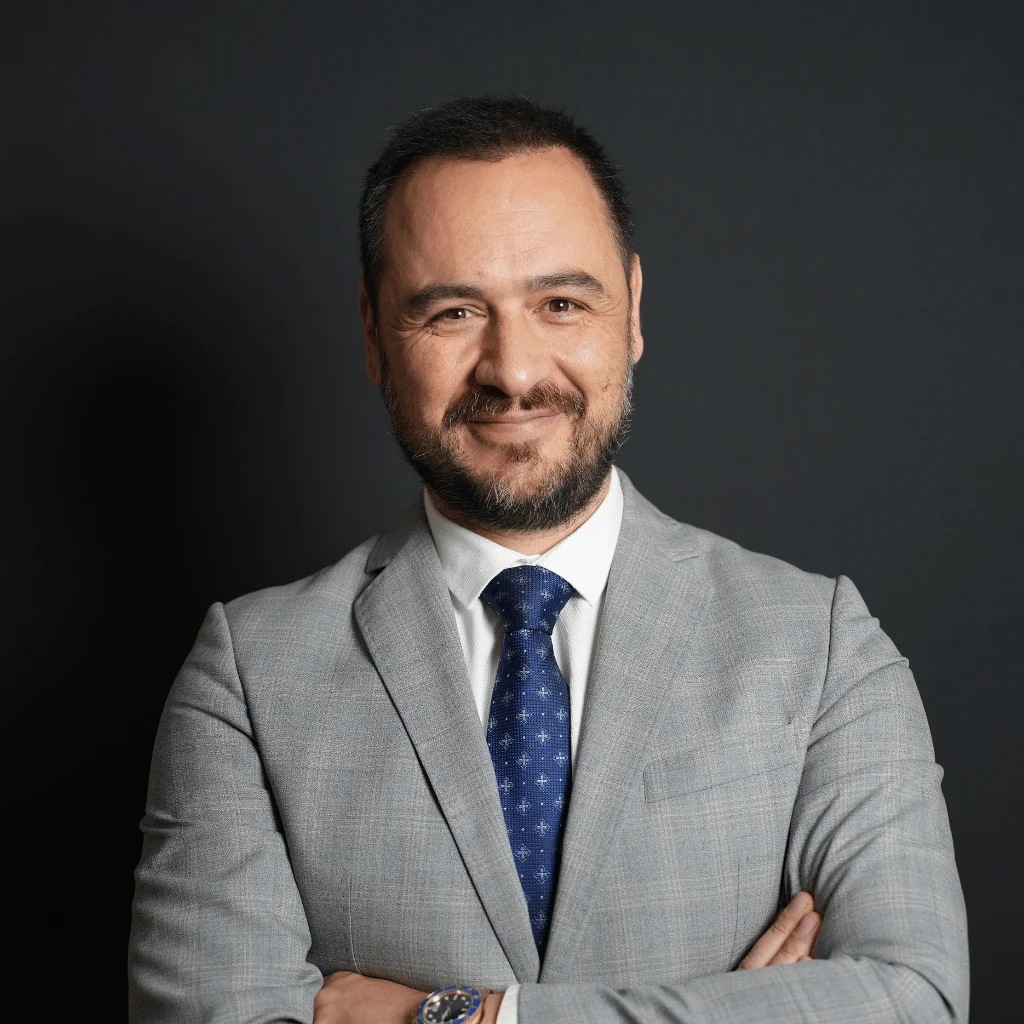
Dr. Mert Demirel
Plastic, Reconstructive & Aesthetic Surgery
Anatomy first. Proportion over excess. Decisions built to remain coherent over time.
Next step
The best treatment is the one that matches the right indication.
You do not need to choose a device, injectable or technique before asking the question. Start with what you would like to improve.
Private consultation
Let’s start with your question.
Leave your number first. We can then continue privately on WhatsApp.


