

The operation matters
Aftercare for rhinoplasty is not aftercare for abdominoplasty. Use the guide written for the procedure you actually had.
Patient Guide · Post-operative care
A central aftercare library for patients after surgery — general recovery principles plus procedure-specific PDF instructions that can be kept on a phone or printed before discharge.
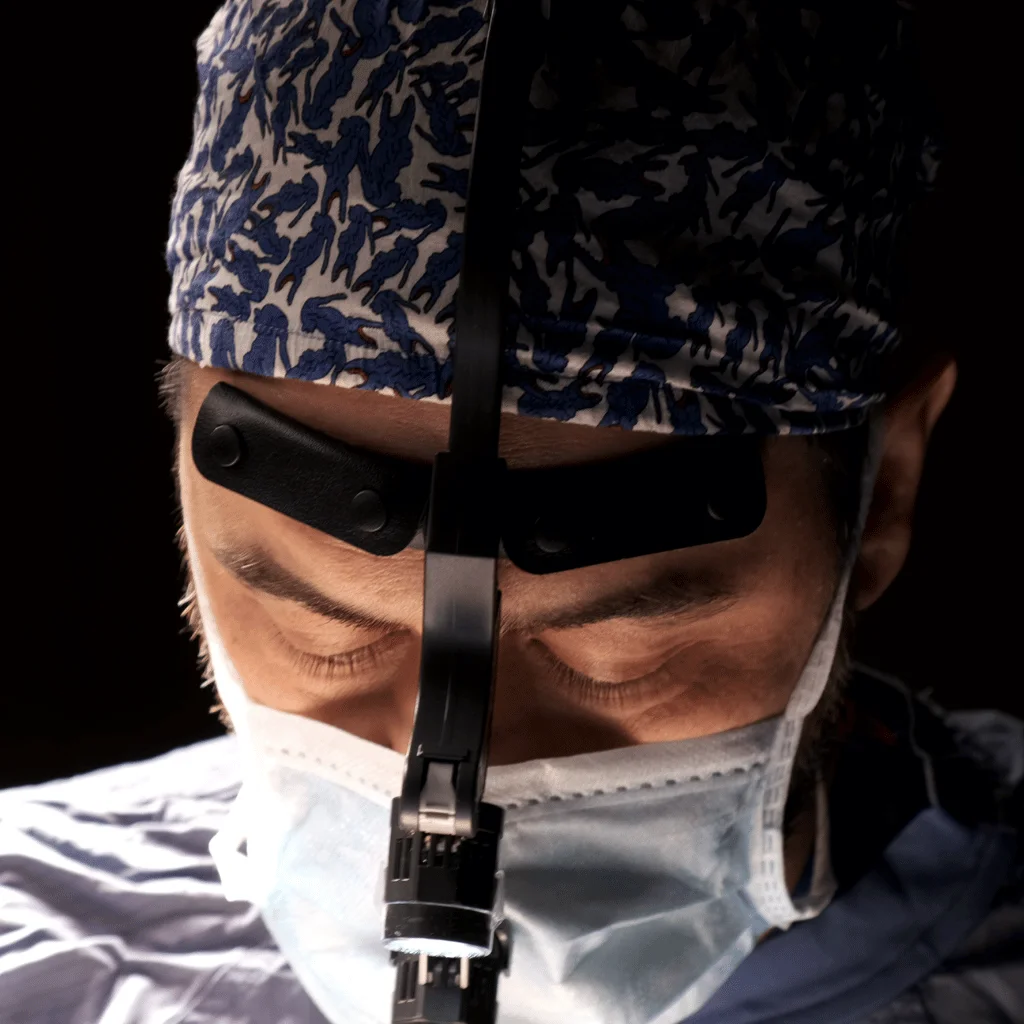
Aftercare for rhinoplasty is not aftercare for abdominoplasty. Use the guide written for the procedure you actually had.
General website information is secondary to the personalised discharge and follow-up plan given by the treating team.
Expected swelling and discomfort are different from symptoms that require prompt clinical or emergency assessment.
Post-operative care begins when surgery ends, but it should be understood before surgery takes place. The early days, wound care, movement, support garments, follow-up and return to normal activity all form part of the treatment plan.
This page provides a general recovery framework and a library for procedure-specific aftercare PDFs. Your own discharge instructions and the advice of the treating clinical team always take priority.
Before discharge, you should know what medication has been prescribed, how wounds or dressings should be managed, whether a garment or support is required, what activity is allowed, when the next review will take place and how to contact the clinical team.
International patients should also know what must be reviewed before leaving Istanbul and how follow-up will continue after returning home.
Good aftercare makes the expected recovery easier to recognise — and unexpected changes easier to act on.
Pain, swelling, bruising, tightness, tiredness and temporary asymmetry can occur to different degrees after many operations. Their pattern and significance depend on the procedure, the individual patient and the stage of recovery.
Do not compare your day-by-day recovery with another patient’s photographs or social media timeline. Use the expectations and restrictions provided for your operation.
Recovery usually involves a balance between appropriate rest and appropriate movement. The type of surgery determines how you should sleep, sit, walk, lift, bend or use the operated area.
Follow the progression given by the treating team rather than trying to return to normal activity as quickly as possible.
Instructions for dressings, showering, compression garments, surgical bras and incision care vary by operation. Scar management also changes as healing progresses.
Do not add massage, creams, devices or other treatments simply because they are popular online. Ask when — and whether — they are appropriate for your particular operation.
Keep the PDF for your operation accessible on your phone and, where useful, as a printed copy. These documents are designed to supplement the personalised discharge instructions provided by the clinic.
| Procedure | Aftercare focus | Post-op PDF |
|---|---|---|
| Areola Reduction | Incision care, support, activity and scar follow-up. | PDF to be added |
| Breast Augmentation | Early movement, breast support, positioning, activity and implant follow-up. | PDF to be added |
| Breast Lift | Incision care, support garments, activity progression and scar maturation. | PDF to be added |
| Breast Reduction | Wound care, support, mobility, swelling and return to routine. | PDF to be added |
| Breast Implant Removal | Post-explant healing, support, expected tissue change and follow-up. | PDF to be added |
| Breast Implant Revision / Replacement | Revision-specific support, wound care and implant monitoring. | PDF to be added |
| Gynecomastia Surgery | Compression, swelling, incision care and return to upper-body activity. | PDF to be added |
| Procedure | Aftercare focus | Post-op PDF |
|---|---|---|
| Rhinoplasty | Nasal care, swelling, positioning, protection and review schedule. | PDF to be added |
| Blepharoplasty | Eyelid care, swelling, visual comfort and early activity. | PDF to be added |
| Deep Plane Facelift | Facial swelling, incision care, positioning and staged recovery. | PDF to be added |
| SMAS Facelift | Face and neck aftercare, swelling and return to daily activity. | PDF to be added |
| Mini Facelift | Incision care, swelling and early return-to-routine guidance. | PDF to be added |
| Midface Lift | Midface swelling, positioning, incision care and follow-up. | PDF to be added |
| Neck Lift | Neck positioning, wound care, swelling and activity progression. | PDF to be added |
| Endoscopic Brow Lift | Scalp/incision care, swelling and activity guidance. | PDF to be added |
| Lip Lift | Incision care, swelling, oral movement and scar follow-up. | PDF to be added |
| Otoplasty | Ear protection, headwear, sleep position and wound care. | PDF to be added |
| Bichectomy | Oral hygiene, swelling, diet progression and review. | PDF to be added |
| Procedure | Aftercare focus | Post-op PDF |
|---|---|---|
| Tummy Tuck | Mobility, abdominal support, incision care, garments and staged activity. | PDF to be added |
| Mommy Makeover | Combined-procedure recovery, support requirements and staged activity. | PDF to be added |
| Liposuction | Compression, swelling, mobility, treated-area care and activity progression. | PDF to be added |
| Arm Lift | Incision care, upper-limb activity, swelling and compression where prescribed. | PDF to be added |
| Thigh Lift | Mobility, incision care, clothing and progressive activity. | PDF to be added |
| Body Lift | Extended wound care, mobility, support, garments and longer recovery planning. | PDF to be added |
| Brazilian Butt Lift (BBL) | Procedure-specific positioning, pressure avoidance, mobility and safety follow-up. | PDF to be added |
| Labiaplasty | Local care, hygiene, swelling, clothing and activity progression. | PDF to be added |
Many postoperative symptoms exist on a spectrum. Mild swelling may be part of expected recovery, while rapidly increasing swelling may require assessment. Discomfort may be expected, while sudden or severe worsening pain can change the clinical picture.
Use your procedure-specific discharge information and the clinic’s contact pathway. For a broader orientation, see the Post-operative Warning Signs guide.
Postoperative reviews are not administrative appointments. They are opportunities to assess wounds, swelling, function and progress, identify problems early and update restrictions as healing changes.
If you live abroad, make sure you know which reviews should happen in Istanbul and how remote follow-up will continue afterwards.
There is no single recovery calendar for all operations. A desk-based job, physical employment, long-haul travel and strenuous exercise place very different demands on healing.
Ask for guidance relevant to your actual daily routine rather than trying to fit your recovery into someone else’s timetable.
Decision checkpoint
Keep your procedure-specific PDF, discharge information, medicines list and clinic contact pathway together. If the clinical team gives you different instructions, their patient-specific plan takes priority over this library.
Dr. Mert Demirel
Anatomy first. Proportion over excess. Decisions built to remain coherent over time.
Private consultation
Use the clinic contact pathway for questions about your individual recovery. For severe or rapidly worsening symptoms, seek urgent local medical assessment rather than waiting for an online reply.
Private consultation
For non-urgent follow-up, leave your number and continue on WhatsApp. Emergencies require local urgent medical care.
Private consultation
We'll save your enquiry first, then continue on WhatsApp.


