
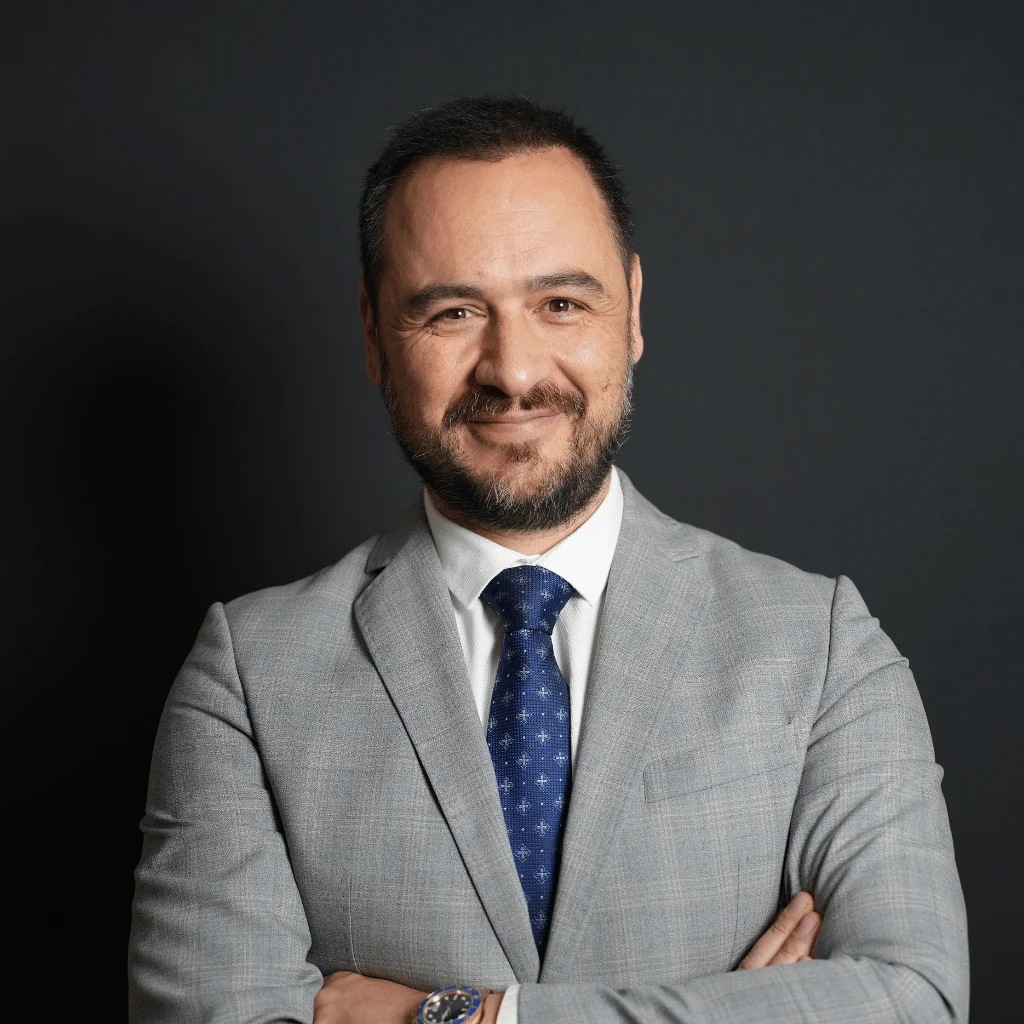
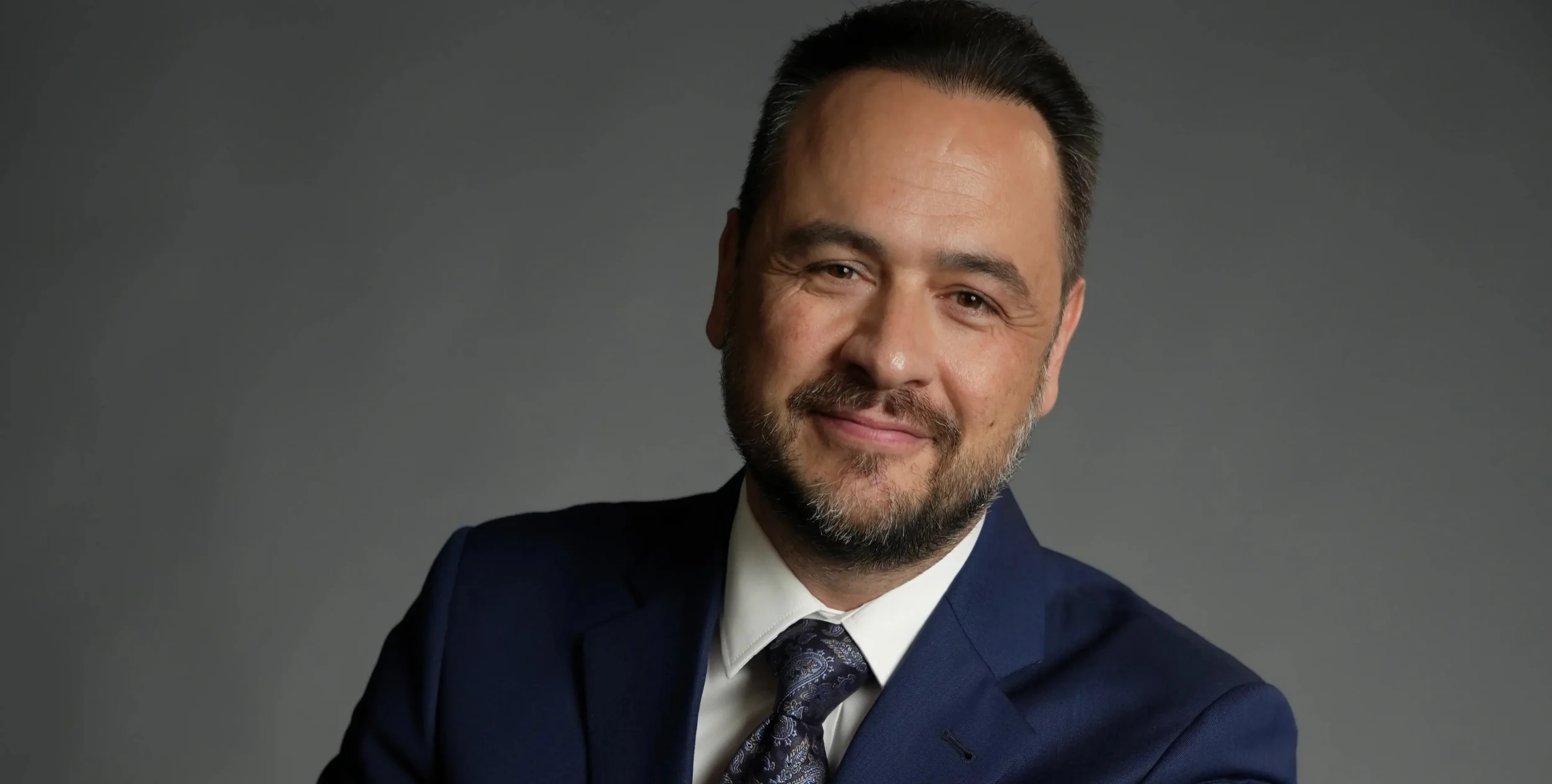
Dr. Mert Demirel
Op. Dr. Mert Demirel · Biography

A surgeon’s never-ending journey.

The surgical journey began with a curiosity to help the human body; it was shaped over the years by science, patience, and responsibility.

“Surgery is a profession that begins in one’s hands but is completed in one’s character.”Op. Dr. Mert Demirel
Long form biography

More than a resume: the building of a professional character.

This narrative traces the decisions, hesitations, abandonments, fresh starts, and the disciplined curiosity accumulated over the years.

01 · A layer of the story

Prologue — Where Does a Surgeon’s Story Begin?

A surgeon’s story often doesn’t begin in the operating room.

Sometimes it begins with a childhood feeling. Sometimes in the meaning society attributes to a doctor. Sometimes in a hospital corridor, a waiting room, news of a family member’s surgery, the calm voice of a physician. And sometimes in a curiosity one hasn’t yet named: “How do you help the human body? What is a profession that truly makes a difference in a person’s life like?”

Op. Dr. Mert Demirel’s story doesn’t begin with the sentence “I wanted to be a plastic surgeon when I was a kid” either. On the contrary, it begins from a simpler and more real place. In the Turkey of the 1980s, doctors were the people society trusted the most. They were the ones whose doors were knocked on during a family’s most difficult moment, whose words were listened to, who managed not only the illness but also the fear with their knowledge. Being a doctor didn’t just mean academic success or a good career choice; it meant carrying a responsibility, touching people’s lives, and doing so with earned respect.

This was Mert Demirel’s primary reason for turning to medicine: to be useful. To do a job that has real meaning in people’s lives. To stand within a respect earned through knowledge, effort, and discipline.

Looking back from today, many of the concepts that define his surgical practice — measure, patience, anatomical respect, ethical selectivity, natural results, millimetric precision, long-term thinking — may seem as if they were formed only during his residency years, at congresses, in operating rooms, and through academic studies. Yet the first seed of these concepts lies in that simple desire at the very beginning of the profession: To truly be useful to people.

This biography is not just a resume. It is the story of how a physician reached plastic surgery; his decisions, hesitations, abandonments, and fresh starts. It is also the narrative of how a surgeon built his own professional identity: the story of an unostentatious, knowledge-based surgical philosophy that protects the patient and values natural and long-term results.
02 · From inside a profession

Ankara — Entering the Door of Science

Ankara is the capital of Turkey; but it is also one of the cities carrying the institutional memory of the Republic. A city where the mind of the state, bureaucracy, universities, hospitals, and disciplined education culture intertwine. Mert Demirel’s medical journey beginning at Ankara University Faculty of Medicine is therefore not just a geographical detail. This beginning also tells the ground on which his professional character took shape.

Ankara University Faculty of Medicine is one of Turkey’s deep-rooted medical institutions. Here, medical education is not just about lectures and exams; it is the process of confronting the complexity of the human body, the reality of disease, the weight of clinical decision-making, and the responsibility of being a physician.

As a young medical student, Mert Demirel had a vast and uncertain world ahead of him. He didn’t know which branch he would choose. But there was one thing he knew about himself: he was drawn to what was difficult. Not easy answers, easy paths, or routine procedures; complex problems, high responsibility, and areas requiring deep thought attracted his interest. Therefore, in the early years, he began to imagine himself in one of medicine’s most difficult areas requiring intense concentration, like neurosurgery.

This dream gives an important clue about his personality. Because when he later chose plastic surgery, the same impulse wouldn’t disappear. Plastic surgery might look only like “aesthetics” from the outside; but from the inside, it is one of the most complex combinations of anatomy, function, form, psychology, dexterity, and the responsibility of decision-making. It is a field where a surgeon must not only be able to do, but know why they are doing it.

During his medical school years, this quest hadn’t found its name yet. But its direction was clear: Mert Demirel wanted to build his professional life not just by applying knowledge, but by understanding and solving difficulty.

03 · A layer of the story

The First Great Lesson in the Operating Room — Surgery Is Not Just Technique

In his second year of medical school, a close relative had to undergo heart surgery. This event introduced young Mert Demirel to Prof. Dr. Oğuz Taşdemir, one of Turkey’s prominent cardiac surgeons. Sometimes, what determines a person’s professional direction is not a planned career step, but an unexpected door opened by a family event.

That summer, he had the opportunity to voluntarily be in the operating room. He watched heart surgeries lasting for hours. He observed the rhythm of an operating room, its quiet tension, coordination within the team, the surgeon’s moments of decision, the attention of the nurses, the calm of the anesthesia team, that intense atmosphere where every movement carries meaning.

What he learned there wasn’t just cardiac surgery. He saw that surgery requires character.

A surgery isn’t performed solely with anatomical knowledge. Surgery requires discipline, requires patience, requires leadership. It requires you to maintain your focus even when you are tired. It requires you to think without panicking when an unexpected situation develops. It requires you to be a center of trust for everyone in the team. It requires your mind and character to be as trained as the tool in your hand.

This experience deepened Mert Demirel’s interest in surgery. For a while, he was sure he would become a cardiac surgeon. What he saw in cardiac surgery was one of medicine’s areas of highest responsibility: a profession that directly touches human life, where technical skill and character become inseparable.

But life often guides a person not through a single encounter, but through a sequence of them. Cardiac surgery showed him the character of surgery. Plastic surgery would show him that it was the field most suited to his own nature.

04 · From inside a profession

Encountering Plastic Surgery — Where Science, Art, and Dexterity Meet

In the third year of medical school, during an introduction to clinical sciences class, a plastic surgery professor entered the lecture hall. Until that day, he had no clear idea about plastic surgery. Like the common perception in society, he didn’t yet know how broad and transformative a field plastic surgery was.

What he saw in that class went beyond aesthetic surgery.

There were hand injuries. There were severe burns. There were congenital anomalies. There were facial paralyses. There was the reconstruction of form and function lost after trauma. There were surgical solutions that affected not only a person’s appearance but their participation in life, function, self-confidence, and social existence.

Plastic surgery was a discipline that re-signified what was distorted in the human body. It wasn’t just about making a hand visible, but making it functional. It wasn’t just about making a face symmetrical, but making it expressive. It wasn’t just about covering a burn scar, but repairing the relationship a person built with their body image.

That day, Mert Demirel realized what plastic surgery meant for him: Science, art, and manual skill were required simultaneously. Knowing anatomy wasn’t enough; you needed to see the form. Technical skill wasn’t enough; you needed to understand aesthetic proportion. Aesthetic vision wasn’t enough; you needed to preserve function.

He decided that day. This was the profession he was looking for.

This decision would evolve into a much more refined philosophy in the later years of his career. Aesthetic surgery for him wouldn’t be about producing dramatic change, but restoring balance. The reconstructive foundation would become the moral and technical backbone of his aesthetic practice. Every intervention would begin with the question: “Will this truly benefit this person?”

“This decision would evolve into a much more refined philosophy in the later years of his career. Aesthetic surgery for him wouldn’t be about producing dramatic change, but restoring balance….”
Encountering Plastic Surgery — Where Science, Art, and Dexterity Meet
05 · A layer of the story

The First Side Road — Obstetrics, Fatigue, and Starting Over

When he finished medical school, one of Turkey’s most challenging exams, the TUS (Medical Specialty Examination), lay ahead. Months of intense preparation test a young physician not only academically but physically and mentally. During that time, he felt tired. There were days he thought he didn’t want to spend the rest of his life at the same pace.

Perhaps for this reason, he put obstetrics and gynecology as his first choice. He won his first choice.

From the outside, this decision might look like a deviation from his plastic surgery goal. But sometimes deviations in a person’s life turn into the most valuable sources of perspective later on. For Mert Demirel, too, this six-month period was not a loss, but a different kind of education.

He worked in one of the busiest social security hospitals of the time. He saw the difficulties of the health system up close. The heavy patient load, systemic problems, working conditions, and the harsh reality of everyday medicine showed him that this field was not the job he wanted to do for the rest of his life.

He resigned. He prepared for TUS again. This time, there was no hesitation: Plastic surgery was in the first place.

Looking back today, he doesn’t see that six-month period as a loss. Because witnessing nearly five hundred births allowed him to see the extraordinary capacity of the female body extending from pregnancy to birth, from birth to healing, and from healing to reconstruction. This experience formed a silent but lasting foundation for his approach to breast surgery, body contouring, and female anatomy in the future.

Seeing the female body’s power of change and healing capacity up close also affected his view of aesthetic surgery. Because aesthetic surgery isn’t just about appearance. It requires understanding the effect of the changes the body undergoes on a person’s perception of self. The postpartum body, weight changes, variations in breast form, loosening in the abdominal wall — each of these are not only anatomical but psychological experiences concerning quality of life.

Although those six months might seem like a brief parenthesis in Mert Demirel’s surgical journey, it became a period that deepened his respect for the human body and particularly female anatomy.

06 · From inside a profession

Plastic Surgery Residency — The Ethics of Reconstruction, the Precision of Aesthetics

When he started his plastic surgery residency, his strongest interest was in reconstructive surgery. This was understandable; because reconstruction is at the heart of plastic surgery. Restoring lost function, reducing the trace of trauma, correcting the limitation created by a congenital anomaly, improving movement and appearance after a burn — these are among the most fundamental reasons for plastic surgery’s existence.

However, the patient profile of the institution where he did his residency was also very dense in terms of aesthetic surgery. From the early stages of his residency, he took on the responsibility of evaluating, planning, and following up on aesthetic patients. This early experience became one of the cornerstones of his future practice.

Aesthetic surgery might seem like a technical application from the outside. Yet inside, there is a much more complex process. It is necessary to understand what the patient needs as much as hearing what they want. It is necessary to evaluate whether the expectation is realistic. It is necessary to distinguish what change a face or body can bear, what change will make the person look more balanced, and what would be artificial or incongruous.

Millimeters are important. But behind the millimeters lies ethics.

Lifting a nasal tip one millimeter more can change a facial expression. An implant plan can affect long-term breast form. Excessive tension in a facelift can create an artificial impression instead of a natural rested look. Therefore, in aesthetic surgery, technical skill and aesthetic judgment are inseparable.

Mert Demirel’s residency years taught him this distinction at an early age. The reconstructive side of plastic surgery taught him function and tissue; the aesthetic side taught him proportion, expectation, and human psychology.

07 · A layer of the story

Turkey’s Rise in Aesthetic Surgery and the Dream of Istanbul

The years Mert Demirel received his training were a period when Turkey began to rise on an international scale in aesthetic surgery. The world was changing. Patients were no longer looking for surgeons just in their own cities or countries; they were evaluating cross-border options based on information, outcome, trust, and cost balance. Istanbul was increasingly becoming a visible center.

This transformation was not just a market shift for a young plastic surgeon candidate. It was also a great learning opportunity. Patients from different countries, different aesthetic expectations, different cultural perceptions, and changing surgical trends showed that plastic surgery required a global language, not just a technical one.

During those years, the dream of Istanbul began to form.

Istanbul is not just a big city for a surgeon. It is a center with one of Turkey’s densest health infrastructures, its most experienced surgeons, international patient mobility, and academic-professional interaction networks. For Mert Demirel, Istanbul became the natural next step in his professional development.

08 · From inside a profession

Istanbul — Learning Alongside Good Surgeons

After his specialty training and mandatory service, he moved to Istanbul with his family. Today, this decision stands as one of the most important turning points of his professional life.

Today’s young surgeons can watch any surgery they want in a matter of minutes. Online courses, video platforms, live broadcasts, digital anatomy content, and global educational resources are accessible. But during the time Mert Demirel was trained, these facilities didn’t exist. There was no YouTube. Online education was not this widespread. Access to international courses was not as easy as it is today.

The way to become a good surgeon was by being next to good surgeons.

Istanbul provided him with this. He met important surgeons of Turkey and the world. He observed them. He asked questions. He worked together with them. He observed not only technical steps but also their surgical ways of thinking.

The true difference of a surgeon is often hidden in the procedure they don’t do, rather than what they do. Which patient they do not recommend surgery to, which technique they do not choose, at what risk they stop, which expectation they set a limit to, in which anatomy they change their plan — these are indicators of professional maturity.

The Istanbul years offered Mert Demirel an environment that nourished this maturity. It also formed the foundation of international trainings, congresses, and professional friendships.

“Today’s young surgeons can watch any surgery they want in a matter of minutes. Online courses, video platforms, live broadcasts, digital anatomy content, and global…”
Istanbul — Learning Alongside Good Surgeons
09 · A layer of the story

EBOPRAS — More Than a Title

In 2015, he took the European Board of Plastic, Reconstructive and Aesthetic Surgery exam, namely EBOPRAS. By passing both written and oral exams, he earned the European Board Certificate.

EBOPRAS represents European-level knowledge, clinical competence, ethical approach, and safe independent practice standards in plastic surgery. The written exam covers the broad theoretical field of plastic surgery: anatomy, wound healing, congenital anomalies, trauma, burns, hand surgery, tumor surgery, reconstruction, breast surgery, and aesthetic surgery. The oral exam evaluates how knowledge is applied to real clinical scenarios.

This process meant more to Dr. Demirel than just earning a certificate. Reaching a standard verified on an international scale created a reassuring sign for patients coming from different countries. It also helped him structure his surgical decision-making process in a more disciplined, more systematic, and more European-standard way.

Aesthetic surgery is a global field. Patients travel across borders, look for surgeons in different countries, and when making decisions, they don’t just look at visuals; they look at titles, standards, institutions, and reliability. In this context, EBOPRAS holds an important place in Dr. Demirel’s identity: internationally verified surgical competence alongside local experience.

10 · From inside a profession

America and Brazil — Different Schools, Common Lessons

Following his European Board Certificate, Dr. Demirel gained observational experiences at leading aesthetic surgery clinics in the United States and Brazil. These two countries represent two different but complementary strong schools in the history of aesthetic surgery.

The United States has a strong surgical culture in terms of an evidence-based approach, patient safety protocols, systematic planning, outcome tracking, and medicolegal discipline. How a surgical decision is documented, how risks are evaluated, how patient expectations are managed, and how results should be monitored hold an important place in this culture.

Brazil, on the other hand, is a globally known center on the artistic side of aesthetic surgery that is sensitive to body proportions. It has a strong clinical tradition especially in body contouring, breast surgery, curves, proportions, and the aesthetic flow of the body.

For Dr. Demirel, these experiences didn’t mean imitating a single school. On the contrary, by seeing the strong sides of different surgical cultures, it helped him make his own approach more selective and more holistic. Because good surgery is not measured by the name of a country or a technique; it is measured by the ability to choose the right intervention for the right problem in the right patient.

11 · A layer of the story

Establishing His Own Clinic — A Practice Gains Character

In 2016, he established his own private practice. He opened his first clinic in Ataşehir. Later, he moved to Bağdat Avenue. For about ten years in Istanbul, he has been hosting patients from different countries around the world.

Establishing one’s own clinic is not just about opening a physical space for a surgeon. It is also about building an approach. Which patient you will accept, how you will speak, what you will not promise, how you will do preoperative preparation, how you will manage postoperative follow-up, how your team will approach the patient — all of these determine the character of the clinic.

In Dr. Demirel’s practice, this character took shape over time around a few basic principles:

Offering a personal evaluation to the patient, not a standard package.

Making decisions based on anatomy, not on trends.

Separating what is “doable” from what “should be done.”

Evaluating the result not just by early image, but with long-term stability.

Prioritizing patient safety over aesthetic curiosity.

Being able to say “no” when necessary.

This approach is the fundamental line that distinguishes him from high-volume transformation clinics. His clinic is positioned not just as a place where surgery is performed, but as a consultation area where decisions are carefully made.

12 · From inside a profession

The Eye Area — Light from Another Discipline

Dr. Demirel’s wife is an ophthalmology professor. This familial and professional closeness gave him the opportunity to look at the periorbital anatomy from the window of another field of expertise.

The periorbital region, or the eye area, is one of the most sensitive expressive areas of the human face. Eyelids, eyebrow position, forehead, temple area, periorbital fat pads, and skin quality play a major role in making the face look tired, vigorous, young, sad, or harsh. Interventions here are millimetric. Too much or a wrong move can disrupt the naturalness of the expression.

Eye area aesthetics is not just a matter of “looking younger.” The visual field, lid function, brow position, excess skin, and facial expression must be evaluated together. Therefore, periorbital surgery is one of the areas where aesthetics and function are in closest contact.

Dr. Demirel’s interest in this area gradually turned towards eyelid ptosis, brow ptosis, and advanced periorbital aesthetic surgical studies. His works started to be presented at international congresses. He gave talks on both eye area surgery and breast aesthetics at important aesthetic surgery meetings around the world.

This period formed an important layer in his surgeon identity: not just a surgeon who applies, but one who thinks, develops, and shares.

“Eye area aesthetics is not just a matter of looking younger. The visual field, lid function, brow position, excess skin, and facial expression must be evaluated together. Therefore…”
The Eye Area — Light from Another Discipline
13 · A layer of the story

Chestnut Technique — Pursuing a Question

One of the most prominent topics in Dr. Demirel’s academic and surgical journey is the Chestnut Technique.

The emergence of this technique was not born from a marketing idea, but from a technical and anatomical question asked over and over in the operating room over the years:

“Is this really the most correct plane to place a breast implant anatomically?”

This question touches on one of the fundamental issues of breast surgery. Breast implant placement is not just about the volume of the implant. The plane, tissue quality, muscle-fascia relationship, long-term behavior of the implant, breast footprint, skin envelope, patient anatomy, and the expected aesthetic result must be evaluated together.

It is not enough for an implant to look good in the early period. The real issue is how it will behave over time. Tissue ages, gravity acts, healing biology changes, scar tissue forms, and a capsule develops around the implant. Therefore, a good breast surgery approach must consider not only the day of surgery, but years later.

The Chestnut Technique was developed as a result of this thought. The technique should be considered not just for visual effect, but as an approach designed for implant stability, anatomical harmony, and more predictable long-term behavior. In Dr. Demirel’s academic narrative, this technique is not a “method” on its own, but the concrete output of a broader surgical philosophy.

The technique was first presented at national meetings, then at international congresses. Later, the scientific study passed international peer review and was published in the Aesthetic Surgery Journal. This process is an example of a surgeon’s clinical observation turning into an academic contribution.

14 · From inside a profession

Surgical Philosophy — Aesthetic Surgery is an Architecture of Decisions

At the center of Dr. Demirel’s aesthetic surgery approach is the “architecture of decisions”.

Aesthetic surgery doesn’t start with selecting a procedure. It starts with defining the problem. A patient might say “I want a nose job”; but is the real problem in the nasal dorsum, tip support, skin thickness, septum, airway, or facial proportions? A patient might say “I want breast augmentation”; but is the real issue a lack of volume, the skin envelope, ptosis, the breast footprint, or chest wall shape? A patient might say “I want a tummy tuck”; but is the problem excess skin, diastasis, fat distribution, or muscle-fascia structure?

An incorrectly defined problem will not yield a good result even with the right technique.

Therefore, the first step in his approach is to understand the true anatomical and biological mechanism. Choosing a technique without understanding the mechanism is doing surgery based on guesswork. However, consistency and long-term satisfaction in aesthetic surgery are achieved not through guesswork, but through classification, patient selection, and planning.

A good surgeon doesn’t just know “what to do”. They also know “why to do it”, “when not to do it”, “in which case to change their plan”, and “what not to promise the patient”.

15 · A layer of the story

Naturalness — Not Minimal Results, But Harmonious Results

Naturalness is a central concept in Dr. Demirel’s aesthetic philosophy. But naturalness here is not a superficial word frequently used in the aesthetic marketing world.

A natural result doesn’t mean “very little change”. A natural result is the applied change looking like it belongs to the person’s face, body, tissue, age, identity, and proportions. A good rhinoplasty evaluates the nose not as an independent object in the center of the face, but within the integrity of the face. A good breast surgery doesn’t just create volume; it aims for a form compatible with the chest wall, shoulder width, waist-hip ratio, skin quality, and the patient’s lifestyle. A good facial rejuvenation makes a person look rested and balanced, not “operated on”.

Naturalness in this sense is not a style, but a clinical principle.

This principle also requires setting boundaries. Not every requested procedure is done. Not every trend is applied. Not every patient is suitable for every technique. Sometimes the best surgical decision is not to operate. Sometimes a smaller intervention is more correct. Sometimes a staged approach is safer. Sometimes the distance between the patient’s expectation and the anatomical reality is too great, and in this case, being honest is the surgeon’s duty.

16 · From inside a profession

Patient Communication — Explaining to Protect, Not to Sell

In Dr. Demirel’s patient communication, the primary goal is not to persuade, but to explain.

When a patient is making a decision for surgery, they shouldn’t decide merely by looking at before-and-after photos. They should understand their own anatomy, the mechanism of the procedure, its limits, its risks, its alternatives, and the realistic outcome range. Because a good decision starts with good information.

This approach is particularly important in aesthetic surgery. Because aesthetic surgery is as much a personal decision as it is medical. The patient’s body perception, expectation, motivation, and psychological preparation affect the outcome. The surgeon is not just a technical executor, but the responsible guide of the decision process.

There is no pressure in Dr. Demirel’s communication language. There is no guarantee promise. There is no exaggerated transformation claim. Instead, there is mechanism-based explanation, realistic expectation, and an honest conversation about boundaries.

This aligns with the structure defined as “wise and protective surgical stance” in his brand identity: wise and protective. A surgical stance that builds trust through knowledge, but at the same time protects the patient from unnecessary or inappropriate procedures.

“This aligns with the structure defined as wise and protective surgical stance in his brand identity: wise and protective. A surgical stance that builds trust through knowledge, but at the same time protects…”
Patient Communication — Explaining to Protect, Not to Sell
17 · A layer of the story

International Patient Experience — A Safe Journey in Istanbul

Today, Dr. Demirel works in his private clinic in Istanbul. The clinic serves within a health tourism infrastructure authorized by the Ministry of Health. Surgical procedures are carried out in cooperation with well-equipped hospitals in Istanbul.

For an international patient, the decision for aesthetic surgery involves more variables than for a local patient. The patient comes from another country. Language, culture, time, travel, accommodation, postoperative care, and the return plan are parts of the process. Therefore, the international patient experience cannot be reduced merely to surgical success. It requires a safe journey, correct information, coordination, and follow-up.

In Dr. Demirel’s clinic, this process is structured with stages such as transfer, accommodation coordination, multilingual communication, preoperative evaluation, the hospital process, postoperative follow-up, and remote communication when necessary.

Istanbul is a historical, cultural, and medical center between Europe and Asia. It holds a strong position in terms of health tourism. However, Dr. Demirel’s practice is positioned within this broad market not as a high-volume clinic model promising rapid transformations, but as a selective, academic, explanatory, and safety-focused surgical center.

18 · From inside a profession

Areas of Expertise — Breast, Nose, Face, and Body

In Dr. Demirel’s clinical practice, breast surgery, rhinoplasty, facial rejuvenation, abdominoplasty, and non-invasive aesthetic applications hold an important place.

Breast Surgery

Breast surgery has a special weight in his practice. Breast augmentation, breast lift, breast reduction, implant exchange, and revision surgeries are not handled merely as volume or shape changes. In breast surgery, tissue quality, skin envelope, breast footprint, chest wall anatomy, implant selection, pocket plane, long-term stability, and the patient’s lifestyle are evaluated together.

The success of a breast surgery depends on more than the early volume effect. The result should look like it belongs to the body, be compatible with proportions, and remain as stable as possible over time.

Rhinoplasty

Rhinoplasty is one of the most complex procedures in aesthetic surgery. The nose is in the center of the face, and small changes can affect the entire perception of the face. At the same time, the nose is not just an aesthetic structure; it has a respiratory function.

Dr. Demirel handles rhinoplasty as a structural problem. The nasal dorsum, tip support, cartilaginous structures, septum, skin thickness, facial proportions, and the airway are evaluated together. The goal is not just to change the nose, but to support the overall harmony of the face and preserve function.

Facial Rejuvenation

Facial aging is multi-layered. Skin, fat pads, muscles, connective tissues, and bone support change over time. Therefore, facial rejuvenation is not a one-dimensional procedure either.

In Dr. Demirel’s approach, the goal is not to make the person look like someone else, but to restore the balance the face has lost with fatigue and tissue changes. A good facial rejuvenation result should not create an “operated on” feeling when looked at from the outside; the person should look more rested, more vibrant, and more harmonious.

Abdominoplasty and Body Contouring

Abdominoplasty requires multi-layered evaluation, especially after childbirth, weight changes, and tissue laxity. Excess skin, fat distribution, muscle-fascia laxity, diastasis, and the waistline must be addressed together.

The goal here is not just to remove excess skin, but to reorganize the body contour in a way that suits anatomical reality. The same plan is not applied to every patient; tissue quality and safe surgical limits are determinant.

Non-Invasive Aesthetic Applications

Applications such as Botox, fillers, mesotherapy, and microneedle radiofrequency are included as non-surgical options. However, these procedures are also seen not as “quick beauty solutions”, but as valuable tools when applied with the correct indication.

The same philosophy applies in non-invasive procedures: respect for anatomy, measure, naturalness, and realistic expectation.

19 · From inside a profession

Academic Stance — Learning Never Ends

In Dr. Demirel’s professional life, learning is not a finished process. His participation in congresses, scientific meetings, and international platforms is not just for visibility, but for professional development and contribution.

The central question of his academic work is this:

How can we make surgical results more predictable, more natural, and longer-lasting?

This question is important for the future of aesthetic surgery. Because the advancement of the field does not happen solely through introducing new techniques. It requires better classification, more accurate patient selection, more honest risk communication, better complication management, and long-term outcome evaluation.

Dr. Demirel’s academic language avoids absolute promises. Instead of “always” and “never,” he speaks through conditions, criteria, and limits. This approach is a form of responsibility towards both the patient and colleagues.

“Dr. Demirel’s academic language avoids absolute promises. Instead of ‘always’ and ‘never,’ he speaks through conditions, criteria, and limits. This approach is a form of responsibility towards both the patient and colleagues…”
Academic Stance — Learning Never Ends
20 · A layer of the story

The Human Side — The Mountain, The Court, and Family

A surgeon’s story doesn’t consist solely of operating rooms. The human side is an important source that feeds the professional character.

Dr. Demirel is a licensed skier. Skiing requires a delicate balance between speed and control. On the mountain, you need to choose the right line, read the terrain, calculate risks, and maintain the flow of movement. In this aspect, skiing is a discipline closely related to surgical attention in the operating room.

Tennis similarly requires strategy, reflex, patience, and rhythm. To win a point, hitting hard is not enough; you need to choose the right angle at the right time. In surgery too, it’s not power, but the right decision that is important.

Family life provides balance within this intense professional world. For Dr. Demirel, who is married and a father of one, family is not outside of his professional responsibility, but a center that makes it more humane and more balanced.

21 · From inside a profession

What Makes a Surgeon

As a child, Mert Demirel wanted to become a respected doctor. Looking back today, he does not believe that the surgeon he became was shaped by one perfect decision. His professional character was built just as much by detours, doubts, abandoned paths, and the willingness to begin again.

It was shaped in operating rooms where he watched experienced surgeons for hours, long before he had a place at the table himself. It was shaped by hand injuries, burns, and reconstructive cases that revealed how deeply surgery can change a person’s function as well as appearance. It was shaped by nearly five hundred births, which gave him a lasting respect for the resilience and complexity of the female body.

It was shaped by choosing Istanbul, by the discipline demanded by the European Board examination, and by the habit of returning to an anatomical question until observation could become understanding — and understanding could eventually become a technique.

Just as importantly, it was shaped by learning that the surgeon’s responsibility is not always to operate. Sometimes the more difficult and more correct decision is to say no, to change the plan, to wait, or to protect a patient from an intervention that does not truly serve them.

These experiences are not separate episodes. Together, they form the logic behind Dr. Demirel’s surgical practice: avoid easy answers, respect anatomy, distinguish what can be done from what should be done, and judge a decision not only by its immediate effect but by how well it serves the patient over time.

For him, becoming a good surgeon is therefore not a destination. It is a discipline renewed with every consultation, every operation, every complication avoided, every question reconsidered, and every result followed beyond the early postoperative period.

Perhaps the clearest way to express that idea is this: being a good surgeon is not a point of arrival; it is a standard that must be earned again every day.

The Silent Effort Behind the Results

From the outside, an aesthetic surgery result is usually judged by what can be seen: a more balanced nose, a breast shape that sits more naturally on the body, a face that appears rested rather than altered, or an abdominal contour that feels more coherent. What remains invisible is the amount of thought that precedes those changes.

For Dr. Demirel, an operation begins well before the first incision. It begins with the first evaluation of the patient. Photographs are studied, proportions are measured, tissue quality is considered, and what the patient asks for is compared with what the anatomy can safely and realistically support. Possible plans are tested against alternatives, limitations, and long-term consequences.

Some cases become clear quickly. Others require more observation, more measurement, more conversation, and sometimes a different plan altogether. This quiet preparation is one of the least visible parts of surgery, yet it is where many of the most important decisions are made.

Manual skill matters, but the hand can only execute the quality of the decision that comes before it. The incision, the surgical plane, tissue tension, implant selection, the amount of reduction, nasal support, brow position, and even the decision to operate at all are links in the same chain of reasoning.

This is why Dr. Demirel’s approach is deliberately unhurried. Experience can make an operation look fluent, but fluency should not be confused with haste. Good surgery may appear fast in experienced hands; behind it is usually a slower process of observation, judgment, restraint, and preparation.

22 · A layer of the story

Team Culture — Surgery Is Not a One-Person Job

The surgeon’s name comes to the fore; but surgery is never a one-person job. The operating room team, the anesthesiologist, nurses, patient coordinators, clinic assistants, the international patient communication team, and everyone involved in the postoperative follow-up process impact the safety of the outcome and the patient’s experience.

Structuring the patient journey in Dr. Demirel’s clinic is therefore important. From the first contact, the patient doesn’t just want to get information; they want to be understood. This process is even more sensitive for an international patient. Deciding on surgery in a different country creates many questions in the patient’s mind. Who will welcome them? Where will they stay? Which hospital will the surgery be at? How will the postoperative check-up be done? If there’s a problem, who will they contact? When can they fly? How long do they need to stay in Istanbul?

Answering these questions clearly affects the patient’s trust as much as the medical quality of the surgery.

Team culture is decisive here. A good team doesn’t belittle the patient’s fear. They don’t get tired of answering questions repeatedly. They preserve medical boundaries. They slow down the process when necessary. They see the patient not merely as “someone who will be operated on”, but as a human being coming from another country, making an important decision regarding their body and health.

Dr. Demirel’s “protective” brand character becomes visible not only through the surgeon’s words but also through how the team handles the process.

23 · From inside a profession

Photography, Mirrors, and Reality

One of the biggest challenges of the modern era in aesthetic surgery is that patients now evaluate themselves not just in mirrors, but in photographs, videos, filters, and social media images. The human face and body are three-dimensional; but most patients describe their discomfort based on a two-dimensional image.

A selfie angle can make a nose look bigger than it is. Lighting can change facial shadows. Lens distortion can warp facial proportions. Social media filters can bring skin texture, jawline, nose thinness, and eye size to an unrealistic standard. Over time, the patient may start wanting to correct their digital image, not their actual anatomy.

This situation gives rise to a new responsibility for the surgeon: Bringing the patient back to true anatomy.

In Dr. Demirel’s consultation approach, therefore, image analysis is not limited to the question “what does the patient not like?”. It evaluates how realistic the photograph is, whether the patient’s expectation is influenced by a digital illusion, and what the desired result would mean on a living face and body.

Aesthetic surgery is not applying a filter to the body. Surgery is performed on living tissue. Tissue heals, swells, subsides, ages, moves, and changes over time. Therefore, the quest for digital perfection is not always compatible with surgical reality.

Dr. Demirel’s understanding of naturalness gains importance here once again. The goal is not to bring the patient closer to a standardized image, but to make them more balanced within their own anatomy.

“In Dr. Demirel’s consultation approach, therefore, image analysis is not limited to the question ‘what does the patient not like?’. It evaluates how realistic the photograph is, whether…”
Photography, Mirrors, and Reality
24 · A layer of the story

Revision Surgery — Reading the Traces of Previous Decisions

Revision surgery is one of the most demanding and instructive areas of plastic surgery because the surgeon is never working with untouched anatomy. Every previous operation leaves a history in the tissue: altered planes, scar formation, changes in support, redistributed tension, and decisions whose effects may only become clear with time.

This means that a revision begins with a different kind of reading. After rhinoplasty, cartilage support may have been weakened or reshaped. In breast surgery, an implant pocket may have changed position or the surrounding tissues may have stretched. Facial surgery may leave altered tension or scar patterns, while previous abdominal surgery can change the relationship between skin, fat, fascia, muscle, and scar placement. The problem is therefore not simply to repeat the first operation more carefully. It is to understand what has already been changed, what remains available, and what the tissue can safely tolerate next.

For Dr. Demirel, this makes diagnosis and expectation management inseparable from technique. A patient’s disappointment must be understood, but a second operation cannot be presented as a reset button. Some problems can be substantially improved, some can only be partially corrected, and some are better managed by waiting, limiting the intervention, or choosing not to operate. Trust begins with explaining these distinctions before a new surgical plan is made.

The same principle extends to time. An aesthetic result cannot be judged only by the first postoperative image because healing continues long after the operation itself. Swelling subsides, scars mature, tissues soften and settle, gravity continues to act, and the effects of aging, weight change, lifestyle, skin quality, and genetics become increasingly relevant. What appears promising after a few weeks must still make anatomical and aesthetic sense months and years later.

That is why long-term stability occupies an important place in Dr. Demirel’s decision-making. Surgical planning has to anticipate not only how a result may look when swelling disappears, but how the reconstructed or reshaped tissues are likely to behave as healing progresses. The surgeon can control planning, technique, support, and tissue handling; biology itself can never be controlled completely. Responsible communication therefore includes uncertainty, time, and the limits of prediction.

Patients also need a realistic map of recovery. They should understand which changes are expected at different stages, when swelling or firmness is normal, how scars evolve, when activity can safely increase, and when an unexpected sign requires attention. This information is not an accessory to surgery. It is part of the treatment because a patient who understands the healing process can evaluate change with greater perspective and move through recovery with less unnecessary anxiety.

Revision surgery also makes the importance of boundaries impossible to ignore. Modern aesthetic culture often speaks in the language of more: younger, thinner, fuller, tighter, sharper, more dramatic. Medicine cannot work that way. Every tissue has a carrying capacity, every intervention has a biological cost, and every patient has an individual risk profile. A technically possible change is not automatically a medically or aesthetically appropriate one.

In Dr. Demirel’s approach, professional maturity is therefore expressed through boundary awareness. The patient’s desire matters, but it must be evaluated against anatomy, safety, healing biology, proportionality, and long-term consequence. Sometimes the correct response is a safer alternative. Sometimes it is a smaller correction. Sometimes it is more time. And sometimes it is a clear decision not to operate.

This is where the principle that anatomy should not be sacrificed to trends becomes practical rather than rhetorical. Trends can change quickly; operated tissue carries the consequences of intervention for far longer. Revision surgery makes that reality especially visible. It reminds both surgeon and patient that the most important decision is not how much can be changed, but which change is worth making — and whether the tissue, the timing, and the patient’s true needs justify making it at all.

26 · A layer of the story

The Final Word

A surgeon’s biography can be told as a sequence of dates, titles, certificates, and operations. But chronology explains only what happened. It does not explain the judgment, discipline, and character that made those milestones meaningful.

In Dr. Mert Demirel’s story, the more important line is the way decisions accumulated over time. Curiosity led him toward surgery. Observation taught him that technique alone is never enough. Reconstructive surgery deepened his respect for anatomy and function. Detours taught him to reconsider direction without treating change as failure. International training widened his perspective, while years of clinical practice gradually made his approach more selective, more measured, and more deliberate.

That evolution matters particularly in aesthetic surgery, where the surgeon is asked not only what can be changed, but what should be changed. A patient’s request is only the beginning of the decision. Anatomy, tissue quality, function, proportion, healing biology, expectation, risk, and long-term stability all have to be considered before the plan becomes an operation.

For Dr. Demirel, this is where surgical responsibility begins. Good surgery is not defined simply by technical execution or by an impressive early image. It is defined by whether the intervention was necessary, whether the plan respected the patient’s anatomy, whether function and safety were protected, and whether the result can remain coherent as the body continues to age and change.

Experience therefore does not mean doing more for every patient. In many cases, maturity means knowing when to do less, when to change the plan, when to wait, and when not to operate at all. The ability to say “no” is not the opposite of surgical skill; it is one of its most important expressions.

The milestones in Dr. Demirel’s career — medical education in Ankara, plastic surgery training, microsurgery experience in Zurich, the move to Istanbul, European Board certification, establishing his own clinic, international academic work, and the development of the Chestnut Technique — are important because they mark the evolution of this decision-making philosophy. They are not trophies placed at the end of a journey. They are evidence of a process that is still continuing.

For that reason, the final word of this biography is not about arrival. It is about continuity. Every patient presents a new anatomy, every operation demands renewed attention, and every result has something to teach. The standard is never permanently achieved; it has to be rebuilt through judgment, restraint, curiosity, and responsibility.

Being a good surgeon is not a title earned once. It is a discipline that must be earned again with every decision.

Selected Milestones

1978

Born in Ankara.

Medical education

Completed his medical education at Ankara University Faculty of Medicine.

Medical school

Observed surgery in Prof. Dr. Oğuz Taşdemir’s operating room and later encountered plastic surgery as the field where science, form, and manual skill meet.

Obstetrics period

Worked for approximately six months in a busy public hospital and witnessed nearly five hundred births before returning to pursue plastic surgery.

Plastic surgery residency

Completed specialty training in Plastic, Reconstructive, and Aesthetic Surgery.

Zurich

Received advanced microsurgery training at the University of Zurich.

2010

Received his specialization in Plastic, Reconstructive, and Aesthetic Surgery.

Istanbul

Expanded his clinical and academic experience through work alongside national and international surgeons.

2015

Received the EBOPRAS European Board Certificate.

2016

Established his own private clinic in Istanbul.

Bağdat Avenue

Developed his international patient practice and continued his academic work.

Chestnut Technique

Presented his breast implant placement approach at national and international meetings; the related study was later published in the Aesthetic Surgery Journal.

Today

Continues his practice in Istanbul as an EBOPRAS-certified plastic, reconstructive, and aesthetic surgeon and an ISAPS and ASPS member.

27 · From inside a profession

Surgical Maturity — Where Mastery Becomes Quiet

In a surgeon’s professional development, the early years are generally spent learning. It is learned how to hold which instrument, how to dissect which tissue, on which plane it is safe to proceed, which bleeding is expected, which is a warning, and which approach would be more correct in which patient. However, as years progress, it becomes clearer that surgery does not solely consist of technical accumulation.

Mastery, most of the time, is not about doing more things, but being able to do the right things more calmly.

This maturation is also evident in Dr. Mert Demirel’s professional line. Initially, the breadth of plastic surgery, the transformative power of reconstructive cases, the subtleties of aesthetic surgery, and the variety of international techniques were a vast learning area. Over time, this variety turned into a simpler but deeper question: “What is the most right decision for this patient?”

This question seems simple. But it is one of the most difficult questions of good surgery. Because every patient comes with their own anatomy, their own healing biology, their own expectation, and their own life story. Even under the same procedure name, no two patients are ever the same. Two rhinoplasties are not the same. Two breast augmentations are not the same. Two facial rejuvenations are not the same. Every case is a unique decision area that re-tests the surgeon’s body of knowledge.

Surgical maturity begins here. As the technical repertoire expands, the surgeon knows they can do everything. But as ethical and clinical maturity increases, they also know that they shouldn’t do everything. This distinction is especially important in aesthetic surgery. Because the patient often comes with a desire; but the surgeon’s duty is not merely to fulfill the desire. It is to evaluate whether the desire is compatible with anatomical reality, safety, long-term outcome, and the person’s own identity.

Therefore, “measure” is a central concept in Dr. Demirel’s approach. Measure means proportion in an aesthetic sense; but it also means boundary in an ethical sense. How much change is enough? Which change is excessive? Which intervention makes the person look more balanced, which suppresses their identity? Which demand is reasonable, which might create regret in the future? Which patient is ready for surgery, which needs more time to think first?

These questions are the unseen side of surgery. The success of an operation is determined not only in the operating room, but in this silent evaluation process before the surgery decision is made.

“This maturation is also evident in Dr. Mert Demirel’s professional line. Initially, the breadth of plastic surgery, the transformative power of reconstructive cases, the subtleties of aesthetic…”
Surgical Maturity — Where Mastery Becomes Quiet
28 · A layer of the story

Consultation — Where the Decision Begins Before Surgery

In aesthetic surgery, the most critical moment is often not the day of surgery. It is the consultation.

Because the consultation is where what the patient wants and what they truly need are separated. The problem the patient sees in the mirror and the problem the surgeon sees anatomically may not always be the same. The patient might say “my nose is big”; but the issue might not be the nose size, it might be chin projection, facial proportion, or tip support. The patient might say “my face has aged”; but the problem might not just be the skin, it might be volume loss, connective tissue laxity, bone support change, or eye area fatigue. The patient might say “I want breast augmentation”; but the problem might not be volume, it might be ptosis, skin quality, or chest wall anatomy.

Therefore, for Dr. Demirel, a consultation is not a sales pitch. It is a diagnostic and decision process.

In a good consultation, the patient doesn’t just learn “what will be done”. They also learn why it will be done, within what limits it will be done, what alternatives exist, and which results are unrealistic. This empowers the patient’s decision. Because uncertainty often creates fear; whereas clear explanation builds trust.

Therefore, calmness is evident in Dr. Demirel’s communication. No pressure is put on the patient. Unnecessary dramatization is not used. The decision is not rushed with the promise of a “perfect result”. Instead, a realistic framework is built based on the patient’s anatomy. If a procedure is to be recommended, why it is recommended is explained. If it’s not going to be recommended, the reason for this is also explained honestly.

This approach is even more important especially for international patients. A patient coming from another country for surgery wants to trust not only the surgeon’s technical skill, but also the transparency of the process. Flight tickets, accommodation, surgery date, healing process, and the plan to return to their country are all many variables that are part of the decision. Therefore, the consultation is not only a medical but a human space of trust.

Saying “This is the most suitable for you” to a patient is a great responsibility. Similarly, saying “This is not right for you” also takes courage. In Dr. Demirel’s surgical identity, these two sentences stand side by side. Because the surgeon’s duty is not just to be able to do, but to guide by protecting.

29 · From inside a profession

Patient Psychology — The Unseen Story Behind the Visible Body

Aesthetic surgery is performed on the body; but it is not only about the body. Behind every aesthetic demand lies a story. Sometimes a nose shape that has caused discomfort for many years. Sometimes a body that has changed after childbirth. Sometimes excess skin left after weight loss. Sometimes the tired expression created by aging on the face. Sometimes the dissatisfaction left by a previously undergone surgery. And sometimes the mismatch between a person’s outer appearance and inner feeling.

Therefore, aesthetic surgery cannot be done correctly without understanding human psychology.

Dr. Demirel’s early encounter with aesthetic patients from his residency years taught him this reality. The surgeon listens to the sentences the patient says; but they must understand not only the words but also the tone of the expectation. Is the patient realistic? Can they grasp the limits of the procedure? What do they expect from the change? Is this expectation compatible with their own body? Are they deciding based on social media, filters, or someone else’s result? Will they be able to handle the postoperative healing process?

These questions are as much psychological as they are medical.

Satisfaction in aesthetic surgery is not determined merely by the technical result. If the patient’s expectation is not set correctly, even a technically successful result can feel emotionally inadequate. The reverse is also true: If the patient has understood the process correctly, known the limits, and made their decision consciously, a natural and measured result can create great satisfaction.

Therefore, patient selection holds an important place in Dr. Demirel’s practice. Patient selection is not an exclusionary attitude, but a protective filter. Not operating on everyone who wants it is one of the fundamental elements of ethical quality in aesthetic surgery. Because for some patients, the right answer is not surgery. For some, time is needed first. For some, a smaller procedure is enough. For some, the expectation must be restructured.

The surgeon being able to say “no” is not indifference towards the patient; on the contrary, it is responsibility.

30 · A layer of the story

The Contribution of the Reconstructive Foundation to Aesthetic Surgery

The reconstructive root of plastic surgery is always felt in Dr. Demirel’s aesthetic practice. Reconstructive surgery is the most serious school of working with tissue. In cases such as tissue loss or functional impairment following burn, trauma, congenital anomaly, or tumor, the surgeon must think not only of the appearance but also of the basic vital function.

This foundation gives aesthetic surgery a strong discipline. Because in aesthetic surgery too, tissue is alive. It has a blood supply. It has healing biology. It has scar behavior. It has an aging process. Not every tissue reacts the same way. Not every patient heals at the same speed. Not every plan provides the same stability.

Reconstructive training teaches the surgeon this: Tissue must be respected.

This respect doesn’t just mean working gently. It means understanding tissue planes, preserving blood supply, avoiding unnecessary trauma, not creating excess tension, not forcing anatomical limits, and taking the healing process into account.

Dr. Demirel’s microsurgery training has also deepened this approach. Microsurgery requires the surgeon to direct their attention to the smallest structures. Vessels, nerves, millimetric planes, and movements made under magnification are one of the most advanced forms of technical patience. This training instills an unseen but outcome-affecting precision in aesthetic surgery.

After surgery, a patient only sees the final image. But behind that image lies how the tissue was treated, how planes were preserved, how blood supply was considered, and how much respect was shown to healing biology.

31 · From inside a profession

Thinking Long-Term in Breast Surgery

Breast surgery holds a special place in Dr. Demirel’s practice, both clinically and academically. The reason for this is not only that breast aesthetics is a frequently performed area. Breast surgery harbors many fundamental questions of aesthetic surgery: proportion, volume, tissue quality, gravity, aging, implant dynamics, skin envelope, patient expectation, and long-term stability.

In a breast surgery, the early result is often impressive. Swellings have not completely subsided yet, tissues are in their new position, the patient notices the change quickly. But true quality emerges over time. How will the implant behave? How will the tissue bear it? How much will the skin loosen? How will the scar mature? How will the breast form change over the years?

Therefore, one of the most important concepts for Dr. Demirel in breast surgery is long-term thinking. The patient should be evaluated not just based on the first months after surgery, but on possible changes years later. The desire for a very large implant might look dramatic in the short term; but if the tissue quality is not suitable for it, it can cause problems in the long term. A breast lift combined with an implant may be right for some patients; it requires more careful planning for others. In revision surgeries, tissue changes created by previous surgeries must be taken into account.

The emergence of the Chestnut Technique is also a product of this long-term thinking. The question “Where does the implant behave more naturally and stably?” is not just a technical curiosity, but a quest for the quality of patient satisfaction over the years.

In breast surgery, the aesthetic result is not just size, but a sense of belonging. The result should look like it belongs to the body. It must be compatible with the chest wall, shoulders, waistline, the patient’s lifestyle, and personal aesthetic expectation. Dr. Demirel’s understanding of natural results is particularly evident in this field: The goal is not an “operated” look, but a balanced and refined form within the body’s own proportions.

“The emergence of the Chestnut Technique is also a product of this long-term thinking. The question ‘Where does the implant behave more naturally and stably?’ is not just a technical curiosity, but a quest for patient satisfaction…”
Thinking Long-Term in Breast Surgery
32 · A layer of the story

Rhinoplasty — Millimetric Balance at the Center of the Face

Rhinoplasty is one of the most demanding procedures in aesthetic surgery because the nose is both visually central and functionally essential. A small change can alter the balance of the entire face, while an intervention that ignores the airway may compromise breathing. For Dr. Demirel, these two responsibilities — form and function — cannot be separated.

A successful rhinoplasty is therefore not defined by how dramatically the nose changes. It is defined by whether the new shape belongs to the face, respects the underlying anatomy, preserves or supports breathing, and remains structurally sound over time. A technically refined nose that looks disconnected from the chin, forehead, lips, or overall facial proportions is not a complete result.

Every rhinoplasty begins with a different anatomical problem. Skin thickness, cartilage strength, dorsal shape, tip support, septal anatomy, nasal length, chin projection, nasofrontal angle, lip relationship, and airway function all influence the plan. Some patients need only limited refinement. Others require stronger structural support or correction of previous surgery. In every case, the anatomy sets the boundaries of what can be changed safely and convincingly.

This is why Dr. Demirel approaches rhinoplasty as a sequence of structural decisions rather than a simple shaping exercise. The visible result emerges from decisions about support, proportion, tissue behavior, and function. Removing or reshaping tissue without considering what will support the nose years later may create an attractive early image but a weak long-term result.

Naturalness, in this context, means that the nose no longer dominates attention. The goal is not to create a recognizably “operated” nose, but to improve the relationship between the nose and the rest of the face so that the overall expression feels more balanced. Ideally, the intervention becomes less noticeable than the harmony it creates.

Facial Rejuvenation — Restoring Expression Without Changing Identity

Facial rejuvenation carries a different kind of responsibility because the face is inseparable from identity. Aging is not simply the appearance of wrinkles. It is a gradual change in skin quality, soft-tissue position, volume, support, eyelid anatomy, brow position, and the way light and shadow move across the face. These changes can make a person look tired, heavy, or different from how they feel.

Dr. Demirel’s aim in facial rejuvenation is not to replace that face with a younger-looking version of someone else. It is to identify which anatomical changes are creating the impression of fatigue or aging and restore balance while preserving recognizability. The patient should still look like themselves — only more rested, clearer, and more harmonious.

Restraint is central to this approach. Excessive tension can make a face look operated rather than rejuvenated. Excess volume can replace vitality with heaviness. Overcorrection around the eyes can alter expression. For that reason, a good facial rejuvenation result is often quiet: the improvement is visible, but the procedure itself is not.

The periorbital region is especially important because subtle changes around the eyes strongly influence expression. Upper-lid skin, lower-lid contour, brow position, ptosis, volume distribution, and the relationship between the eyelids and surrounding structures must be assessed together. Dr. Demirel’s academic interest in this anatomy brings an additional layer of precision to his facial rejuvenation planning.

The ethical objective is simple but demanding: rejuvenation should preserve identity. A patient may want to look younger or less tired, but should not have to lose the facial characteristics that make them recognizable as themselves. The best result restores expression rather than replacing it.

33 · From inside a profession

Body Contouring — Reading the Body’s Story

Body contouring, especially abdominoplasty, is closely related to postpartum changes and weight gain/loss processes. In this area, a successful result is not achieved merely by removing excess skin. It is necessary to read the story the body has lived.

There may be skin excess in the abdominal area. There may be fat distribution. There may be muscle-fascia laxity or diastasis. The waistline might be lost. Scar placement, navel form, skin quality, and overall body proportion are part of the planning.

The nearly five hundred births Dr. Demirel witnessed during his obstetrics and gynecology period is one of the experiences that humanly deepened his perspective in this field. The female body undergoes a huge transformation with childbirth. This transformation is not only physical, but emotional. To understand postpartum aesthetic surgery demands, it is necessary to grasp the biological and psychological aspect of this change.

The goal in body contouring is not to create “another body”, but to help the person feel more balanced and comfortable in their own body. Therefore, planning must be both anatomically and lifestyle appropriate. The healing process, scar maturation, return to activity, and long-term weight stability must be discussed openly with the patient.

34 · A layer of the story

An Ethical Stance in Health Tourism

Istanbul is one of the important centers of the world in terms of health tourism. This brings great responsibilities as much as great opportunities. International patients come from different countries to realize their surgical decisions in Istanbul. In this process, trust, coordination, transparency, and medical standards are of vital importance.

Dr. Demirel’s practice does not approach health tourism merely with a “package” mentality. A patient is an individual, not a package. Every patient’s anatomy, expectation, travel plan, healing capacity, and risk profile are different. Therefore, an ethical stance in health tourism requires personalized medical evaluation rather than standardized sales.

Honest information is especially important for the international patient. How long should the patient stay in Istanbul after the surgery? What complication signs should they pay attention to? When is flying safe? How will check-ups be done? How will communication be maintained when they return to their own country? All these questions are as important as the surgery itself.

Therefore, in Dr. Demirel’s clinic, the international patient experience is handled as a structured journey from pre-operation to post-operation. This approach is consistent with the brand’s “wise and protective surgical stance” character: Not just operating on the patient, but informing and protecting them throughout the process.

35 · From inside a profession

Academic Language — Avoiding Absolute Promises

The most dangerous language in the aesthetic surgery field is the language of absolute promises. Expressions like “certain”, “guarantee”, “never”, “always” simplify biological reality. However, the human body is variable. Tissue quality, healing process, scar behavior, lifestyle, aging, and genetic factors affect the outcome.

Dr. Demirel’s academic approach therefore uses a more conditional and more responsible language. While describing techniques, in which patient group it is appropriate, what limits it has, what trade-offs it involves, and how it should be evaluated in the long term must be explained.

This language is respectful to both the patient and the colleague. Because true expertise is not hiding uncertainty, but making it manageable. Telling the patient “The limits of this procedure are these” does not decrease trust; on the contrary, it increases it. Because the patient feels that the surgeon is telling not just the good scenario, but the real scenario.

Academic honesty is an important differentiator in Dr. Demirel’s personal brand. This stance creates a calm but strong authority in a noisy aesthetic market.

“The most dangerous language in the aesthetic surgery field is the language of absolute promises. Expressions like ‘certain’, ‘guarantee’, ‘never’, ‘always’ simplify biological reality. However, the human body is variable…”
Academic Language — Avoiding Absolute Promises
36 · A layer of the story

Final Words — The Never-Ending Journey

The professional story of a person cannot be told merely by listing successes. Successes are important: Ankara University Faculty of Medicine, plastic surgery specialization, Zurich microsurgery training, EBOPRAS certificate, the clinic established in Istanbul, international patient practice, congress presentations, the Chestnut Technique, and academic publications. But behind these, there is a deeper line.

That line is the line of continuous learning.

This is the repeating theme in Dr. Mert Demirel’s story. First, a child who wants to be a doctor. Then, a student entering the challenging world of medicine. A young physician candidate seeing the character of surgery in the cardiac surgery operating room. A student finding his own field in a plastic surgery class. Six months in obstetrics and gynecology that seemed like a side road but turned into a valuable perspective later on. The discipline combining reconstruction and aesthetics in plastic surgery residency. The effort to learn alongside good surgeons in Istanbul. Testing oneself against European standards. Building an approach in his own clinic. Developing a technique by pursuing an anatomical question.

This story doesn’t consist of a single correct decision. It is the combination of many decisions, some abandonments, some fresh starts, and disciplined curiosity lasting for years.

Today, Dr. Demirel enters the operating room still with the same curiosity. Because being a good surgeon is not a completed status. Every patient is a new question. Every surgery is a new responsibility. Every outcome is a new piece of learning.

Perhaps the truest summary of this biography is this sentence:

Surgery is a profession that begins in one’s hands but is completed in one’s character.

And Dr. Mert Demirel’s journey is the story of how this character has been built over the years.

Turning points

The timeline of a profession.

A surgeon’s story doesn’t consist of a single leap; it consists of accumulated choices over the years, fresh starts, and a desire to learn sustained with patience.

1980s

First motivation

The desire to be a doctor was the first step of a curiosity that began in childhood.
Medical school

Ankara University

The foundations of science, discipline, and respect for the human body were laid.
2nd year

First operating room lesson

He saw that surgery was not just technique in the operating room of Prof. Dr. Oğuz Taşdemir.
3rd year

Encountering plastic surgery

He met the field where science, art, and dexterity intersect.
TUS

Starting over

After his obstetrics experience, he showed the courage to return to his true path.
Residency

Reconstruction and aesthetics

He learned respect for tissue and the balance between function and aesthetics.
Istanbul

Alongside mastery

He developed a culture of decision-making and responsibility by working alongside good surgeons.
2015

EBOPRAS

He tested his education standard on an international scale with the European Board Certificate.
2016

First clinic

The clinical journey that started in Ataşehir gained its own character on Bağdat Avenue.
USA · Brazil

Different schools

He observed different surgical perspectives; he saw that the common lesson was anatomy and measure.
Chestnut Technique

Pursuing a question

An anatomical curiosity turned into a quest for natural and stable results in breast surgery.
Today

The never-ending journey

Academic production, international patient practice, and continuous learning unite on the same line.

Considering a procedure?

The story matters. Your anatomy matters more.

If you have a question about your own case, start a private conversation with the clinic.

Number saved first · WhatsApp next

Dr. Mert Demirel

Dr. Mert Demirel

Plastic, Reconstructive & Aesthetic Surgery

Anatomy first. Proportion over excess. Decisions built to remain coherent over time.