

Recovery varies
Procedure type, tissue response, health, previous surgery and daily demands all change the timeline.
Patient Guide · Recovery
Recovery is part of the treatment plan, not an afterthought. Healing, activity, travel and follow-up all need to be matched to the procedure and the individual patient.
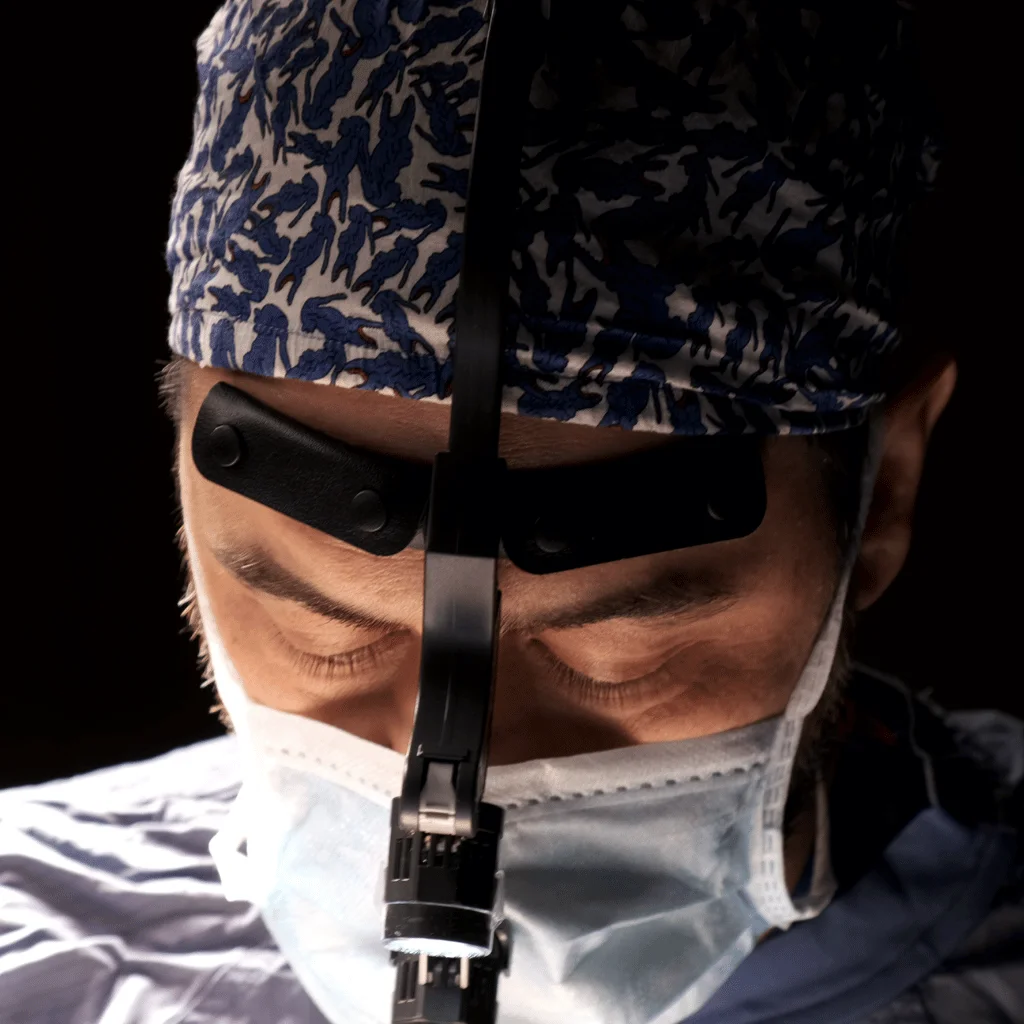
Procedure type, tissue response, health, previous surgery and daily demands all change the timeline.
General advice is not a substitute for the surgeon’s postoperative instructions for your case.
Scheduled reviews and clear escalation routes are part of recovery, especially after international travel.
Recovery is not the period after treatment is finished. It is one of the phases of treatment itself. The operation, early healing, return to activity, scar maturation and follow-up belong to the same plan.
Patients often ask how many days they need off work. That question is useful, but it is only one part of recovery. The more complete discussion includes pain, swelling, sleep, movement, wound care, garments when relevant, support at home, travel, follow-up and the gradual return to exercise.
The timeline varies by procedure, extent of surgery, tissue response, health and daily demands. A generic internet timetable can orient you; it cannot predict your individual recovery.
Plan the recovery window before you choose the surgical date.
The first period focuses on safe mobilisation, pain and nausea control, wound observation, hydration and the instructions specific to your operation. Some procedures require hospital observation; others may allow discharge sooner. Your own plan should be explained before surgery.
Swelling, bruising, tightness, temporary asymmetry and reduced energy can be expected to different degrees depending on the procedure. The team should explain what is typical for your operation and what would be unusual enough to contact them about.
Work, driving, social activity and exercise return at different speeds. A desk-based job is not the same as a physically demanding job. Childcare, commuting and sports can all affect practical planning.
Visible healing often continues after patients feel functionally well. Swelling can evolve, scars mature and tissues settle over time. Early appearance should not be confused with the final result.
These symptoms vary considerably between operations and individuals. The clinic should explain the expected pattern, the prescribed pain-control plan and the point at which a change becomes concerning.
Do not compare your recovery day-by-day with another patient’s social media timeline. Different procedures, anatomy and health can produce very different experiences.
Early movement is often an important part of postoperative care, but the type and intensity of activity must follow the specific surgical plan. Ask what you can do immediately, what you should avoid, and how activity will progress.
Returning too quickly to strenuous exercise is not a shortcut to normality. At the same time, unnecessary immobility may also be unhelpful. Follow the instructions given for your case.
Some operations require temporary changes in sleeping position or movement. Think in advance about getting in and out of bed, clothing, showering, household tasks and whether someone should stay with you during the early period.
Incisions continue to change long after the skin first closes. The scar-care plan may evolve over time and should be specific to the operation and your healing. Avoid adding products, massage or treatments simply because they are popular online; ask when and whether they are appropriate.
Some procedures use surgical bras, compression garments or other supports. Their purpose, fit and duration should be explained as part of the medical plan. More compression is not automatically better, and a product that was right for someone else may not be right for you.
Recovery places demands on the body. Follow the clinic’s instructions about eating, hydration and medication. Nicotine exposure can be particularly relevant to surgical healing, so be honest about cigarettes, vaping and nicotine products during consultation.
Do not make major medication or supplement changes without discussing them with the clinical team responsible for your care.
Your surgeon should give you procedure-specific warning signs and contact instructions. In general, rapidly worsening or severe symptoms, breathing difficulty, chest pain, concerning wound changes, persistent inability to keep fluids down or any symptom that feels acutely alarming deserves prompt medical attention.
If you are away from the clinic and believe you may be experiencing an emergency, seek local emergency medical care rather than waiting for a remote message response.
Postoperative appointments are not simply for removing dressings or taking photographs. They allow the team to assess healing, identify problems early, update activity guidance and answer questions as the recovery changes.
For international patients, ask which reviews should happen before departure and which can continue remotely.
The appropriate timing of air travel varies with the procedure, your recovery and individual risk factors. Long-haul travel adds practical considerations that should be discussed before surgery. Make your route home — including connections and total travel time — part of the consultation.
A good recovery plan is realistic enough to accommodate normal variation. It tells you what is expected, what is restricted, what support you may need and how to get help when something changes. The aim is not to race back to normal; it is to move through healing safely and with clear expectations.
Decision checkpoint
Before committing to timing, understand the likely restrictions, support you may need, the follow-up schedule and the point at which travel or normal activity becomes reasonable in your individual plan.
Dr. Mert Demirel
Anatomy first. Proportion over excess. Decisions built to remain coherent over time.
Private consultation
If timing matters because of work, travel, childcare or sport, include that context in consultation. The practical plan should fit the medical plan, not compete with it.
Private consultation
Leave your number first. Your enquiry is saved, then the conversation can continue on WhatsApp.
Private consultation
We'll save your enquiry first, then continue on WhatsApp.


