

Surgeon before destination
Compare credentials, decision-making and continuity of care before comparing travel packages.
Patient Guide · International patients
Planning surgery abroad means planning medical care and travel as one connected pathway. The medical plan should determine the journey — not the other way around.
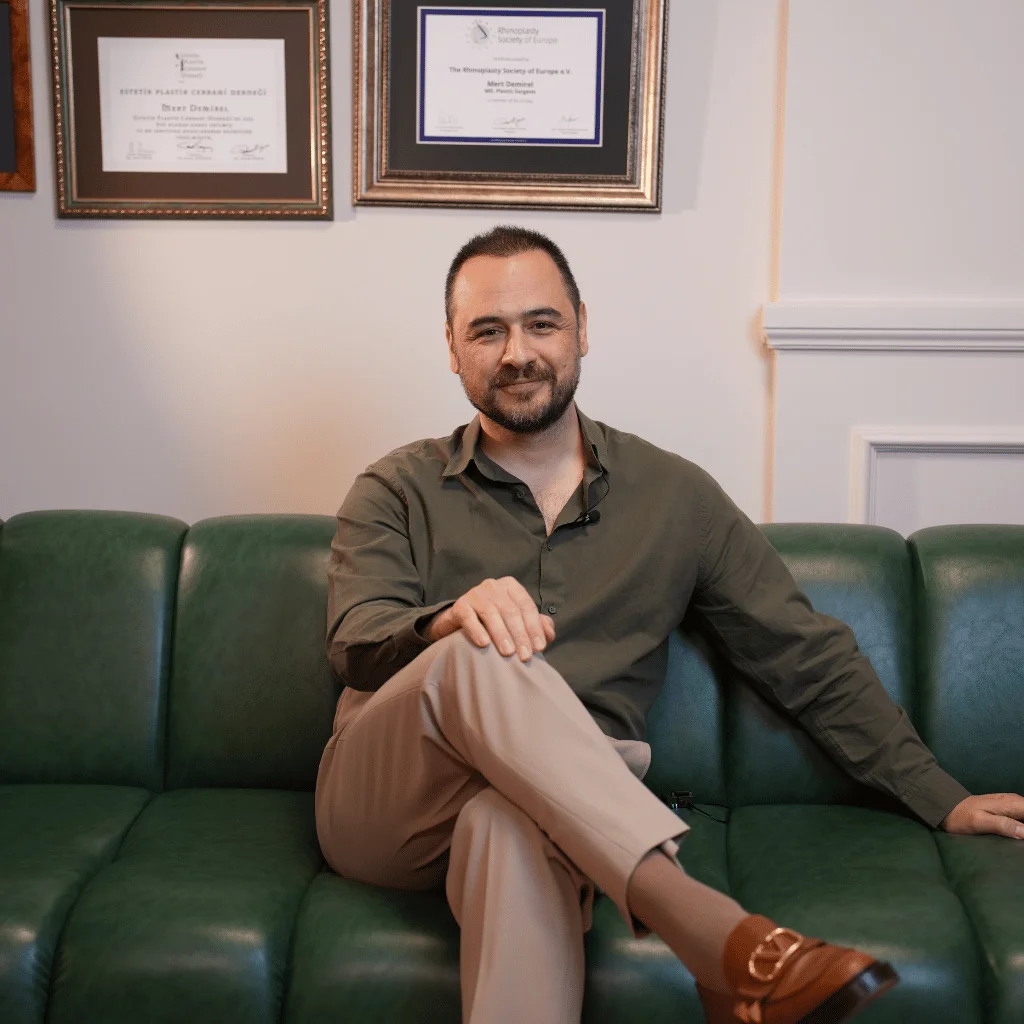
Compare credentials, decision-making and continuity of care before comparing travel packages.
Flights, accommodation and length of stay should adapt to the clinical plan and recovery needs.
Know who remains responsible for questions, reviews and escalation after you return home.
Travelling for plastic surgery changes the logistics of care, but it should not change the clinical standards used to make the decision. The safest way to plan treatment abroad is to treat travel, surgery and follow-up as one connected pathway.
Istanbul is a major medical destination, but a city cannot tell you whether a surgeon is appropriate for your case. Begin with the individual clinician: training, board certification, scope of practice, decision-making style, hospital relationships, communication and follow-up.
Then assess the system around the surgeon. International care depends on coordination between consultation, hospital care, accommodation, transport, discharge and remote follow-up. A polished package is useful only if the medical responsibilities inside it are clear.
Choose the care pathway first. Let the travel plan follow it.
Before travelling, a remote review can help clarify your goals, relevant history, previous surgery, possible treatment directions and the information the clinic still needs. Photographs or video may help with orientation, but they do not replace findings that require physical examination.
Ask whether the proposed plan is preliminary and when the final decision is made. A responsible international pathway leaves room for the surgeon to modify or decline a procedure after in-person assessment if new information changes the indication.
Before committing to flights, understand what the proposed pathway includes. Separate the medical plan from the practical package. The written information should make clear the proposed procedure, expected hospital pathway, likely stay requirements, planned follow-up and which practical services are included or excluded.
Prices and package details can change when the medical plan changes. Treat an early quotation as part of a provisional plan unless the clinic has confirmed otherwise.
There is no universal number of days that is appropriate after every plastic surgery operation. Length of stay depends on the procedure, the patient, the early recovery course, the need for clinical reviews and the journey home.
Do not build the treatment around the cheapest flight window. Ask what needs to happen before you are considered ready to travel and how changes in recovery would affect the itinerary.
International patients should know where surgery is planned, who will perform it, who is responsible for anaesthesia and how postoperative care is organised. These questions are not less important because the clinic has arranged transport or accommodation.
If the hospital changes because of availability or clinical need, ask how you will be informed and whether the standards of care remain equivalent.
Your surgical team may request tests, reports, medication adjustments or specialist input depending on your health and planned procedure. Provide accurate information early. Do not stop prescribed medication or make medical changes on the basis of generic internet advice; follow the instructions given for your case.
Arrival should lead into a medical process, not directly into an operating schedule. The in-person examination is where anatomy and the preliminary plan are checked against one another. This is also the point to revisit questions about scars, technique, limitations, recovery and informed consent.
If the in-person findings change the recommendation, the medical plan should be allowed to change even when travel arrangements have already been made.
Practical support can reduce unnecessary stress during recovery. Ask which transfers are included, whether a companion can stay with you, how accessible the accommodation is, and who to contact for non-medical logistical issues.
Practical coordination should complement clinical care. It should not blur the line between a patient coordinator and the medical team responsible for clinical decisions.
The timing of air travel depends on the operation, your recovery and individual risk factors. Ask the surgeon when travel becomes reasonable for your specific case and what precautions or restrictions apply. If the return journey is long or involves multiple connections, make that clear during planning.
Know how postoperative reviews will continue once you are no longer in Istanbul. Ask which symptoms should trigger an urgent message, when photographs or video reviews are expected, and when you should seek local medical care rather than wait for a remote response.
For any emergency or rapidly worsening symptom, local emergency medical care takes priority over waiting for online communication.
International treatment works best when the patient journey is organised around medical reasoning rather than convenience alone. A good plan should reduce uncertainty without pretending that every detail can be fixed before examination. Travel should support care — never define it.
Decision checkpoint
Travel convenience can support care, but it should never substitute for surgeon selection, appropriate assessment, hospital standards, informed consent or follow-up planning.
Dr. Mert Demirel
Anatomy first. Proportion over excess. Decisions built to remain coherent over time.
Private consultation
If you are considering travelling to Istanbul, start with your medical question and relevant background. Practical planning becomes meaningful after the likely clinical pathway is understood.
Private consultation
Start with your number and your question. We can then continue on WhatsApp.
Private consultation
We'll save your enquiry first, then continue on WhatsApp.


