

Target
Treatment / Non-Surgical
Mesotherapy
A focused treatment page built around indication, mechanism, expected experience and realistic limits.
Individual assessment
Indication first
Realistic expectations
Clinical focus
Treat the right mechanism — not simply the visible sign.
Treatment snapshot
Primary goalIndividual indication
AppointmentVaries by treatment
DowntimeDepends on method and area
SessionsPersonalized plan
ResultsTreatment-specific timeline
These are orientation points, not promises. Timing and suitability depend on the treatment, anatomy and individual response.
Mechanism
Which method matches the underlying issue?
Plan
What intensity, timing and follow-up make sense?
Mesotherapy is one of those treatment names that sounds more specific than it actually is.
A patient may say, “I want mesotherapy for my skin,” or “I have been told mesotherapy will help my hair.” But unlike a named drug or a single device treatment, mesotherapy does not tell me exactly what is being given, in what formulation, for which biological problem, or with what level of evidence. It describes a method of delivery: small quantities of selected substances are placed into superficial tissues through multiple injections.
That distinction changes the way I approach the treatment. I cannot decide whether “mesotherapy works” in the abstract. I first need to know what we are treating and what is actually inside the syringe.
For me, therefore, the clinical question begins before the injections: is there a clearly defined problem, is superficial delivery a rational way to address it, and is the proposed formulation appropriate for that specific problem?
Mesotherapy is a delivery method, not a diagnosis
The word mesotherapy covers a wide range of protocols. A facial treatment aimed at hydration may use a completely different formulation from a scalp treatment intended as support for hair loss. Two clinics can both describe what they offer as “mesotherapy” while using different products, concentrations, injection depths and session intervals.
This is why I think the treatment name alone has very little clinical value. The useful information comes from the formulation and the indication. What is being injected? Why was it selected? Is it manufactured and intended for injectable use? What evidence supports that product for the problem in front of us?
Without those answers, “mesotherapy” risks becoming a container into which attractive ingredients are placed simply because they sound biologically useful. Vitamins, amino acids, hyaluronic acid and other substances may all have legitimate biological roles, but the existence of a role in normal physiology does not automatically prove that injecting a mixture of them into the skin will produce a meaningful clinical result.
A long ingredient list does not make a treatment more intelligent.
What matters is whether each intervention has a reason to be there.
For the skin, the first problem is defining what “tired” means
Patients commonly use words such as tired, dull, dehydrated or unhealthy to describe skin they do not like. Those words are understandable, but they combine several different biological problems.
A rough surface can reflect abnormal keratinisation or dehydration. Uneven colour may be caused by pigmentation rather than poor hydration. Persistent redness may indicate inflammation or barrier dysfunction. A face can also look tired because of volume loss or shadows created by anatomy rather than because the skin itself is deficient.
If I do not separate those mechanisms, almost any treatment can be marketed as “skin rejuvenation”. I prefer a narrower definition. Mesotherapy may make sense when the objective is modest support of skin quality — for example, improved hydration or a subtle improvement in how the surface looks and feels. I would not use the same treatment language for structural volume loss, significant laxity, deep scarring or a specific pigment disorder.
That does not make mesotherapy a weak treatment. It places it in the correct category. A treatment can be useful without being asked to solve every sign of facial ageing.
A supportive treatment should be allowed to remain supportive
Aesthetic medicine often has a tendency to make small treatments sound larger than they are. Hydration becomes “regeneration”. A fresher surface becomes “rejuvenation”. A temporary improvement in tissue quality is described using the language of lifting.
I do not think this helps patients make good decisions.
If the aim is improvement in skin quality, then that is the endpoint I want to discuss. A patient may notice that the skin feels better hydrated, looks less dull or reflects light more evenly. These can be worthwhile changes, particularly for someone who does not need structural intervention.
But if the face has significant volume loss, mesotherapy does not become a filler. If skin has descended, superficial injections do not reposition it. If the patient has acne scarring with a structural component, changing hydration does not release or remodel every scar.
The treatment should be judged against the problem it can reasonably influence, not against the largest promise that can be attached to it.
Scalp mesotherapy begins with a very different question
Hair loss changes the order of the consultation because “hair loss” itself is not a diagnosis.
A patient whose hair has gradually become thinner over several years in a patterned distribution presents a very different problem from someone who began shedding diffusely three months after an illness, major weight loss or medication change. In the first patient, a progressive follicular process may be dominant. In the second, the shedding may be a response to a systemic event and the most useful treatment may initially be time, investigation or correction of the trigger rather than an injection into the scalp.
The scalp itself also matters. Redness, scaling, itching, pain or signs of scarring change the diagnostic direction. If those findings are present, I do not want a treatment marketed as “hair mesotherapy” to distract us from the disease process underneath. An injectable can only become relevant after I know what I am trying to support.
This is why I am cautious with generic hair cocktails. The question is not whether a vial contains vitamins, amino acids or several biologically attractive ingredients. The question is whether the formulation has a credible role in the particular hair-loss mechanism we have identified. Otherwise the injection is happening before the diagnosis.
Hair support and hair regrowth are not the same promise
There is an important language difference between supporting the scalp environment and promising new hair growth.
Some patients may use scalp mesotherapy as part of a broader physician-guided plan. In that setting, it can be discussed as an adjunct rather than the entire treatment strategy. The underlying condition remains central, and established treatments should not be displaced merely because injections feel more advanced or more active.
I would be particularly cautious when a patient has been told that a course of mesotherapy will reliably restore lost density regardless of the cause. Hair growth is governed by follicular biology, disease state, genetics, hormones, time and the condition of the scalp. No superficial injection removes those variables.
The correct question is therefore not “How many sessions will make my hair grow?” It is whether the proposed intervention adds enough value to the existing treatment strategy to justify performing it.
Product selection is part of the medical decision
With mesotherapy, the product should not be treated as a minor operational detail.
If a formulation contains several active components, I want to know their purpose, concentration and safety profile. I want to know that the product has been manufactured appropriately for the intended route and that sterility and traceability are clear. If a patient has a history of allergic reactions or unusual responses to injectables, that becomes particularly relevant.
This is also where the phrase “personalised cocktail” can become misleading. Personalisation should mean that the formulation follows the diagnosis and the patient’s risk profile. It should not mean improvisation.
A treatment becomes more precise when fewer assumptions are required, not when more substances are mixed together.
Why I do not begin by selling a course of sessions
Mesotherapy is frequently planned as a series because tissue responses can be gradual. There is nothing inherently wrong with staged treatment. What I question is deciding the full course before we have seen whether the patient is obtaining a useful response.
If the objective is facial skin quality, the first sessions should tell us whether the skin is tolerating the treatment and whether the perceived improvement is meaningful. If the objective is scalp support, the assessment window has to respect hair biology; changes in shedding or density cannot be judged as though hair grows on the timetable of an appointment package.
This is where reassessment becomes part of treatment rather than an administrative formality. If a protocol is producing a useful benefit with acceptable recovery, continuing may be reasonable. If repeated sessions produce no meaningful change, completing the package simply because it was planned in advance is difficult to justify.
I prefer a treatment series to remain a sequence of decisions.
The next session should still have to earn its place.
Recovery may be limited, but the treatment is still invasive
Mesotherapy uses multiple needle punctures, so temporary redness, swelling, sensitivity, small raised injection points and bruising can occur. Some patients settle quickly; others react more visibly. The scalp and facial skin can also behave differently.
This is why I avoid absolute “no downtime” language. The intervention may be minor, but biology remains individual. Patients with sensitive skin, a strong inflammatory tendency or a history of pigment changes may need a more conservative plan.
An actively inflamed or infected treatment area is a different situation altogether. In those cases, the first objective is to restore tissue stability rather than add elective injections to an environment that is already reacting.
There is no advantage in using mesotherapy for a problem that belongs to another treatment category
A patient with deep facial volume loss may need a structural volume discussion. A patient with significant laxity may need a tightening or surgical assessment. A patient with deep tethered scars may need scar-specific treatment. A patient with a defined pigmentation disorder needs the pigment mechanism addressed.
Mesotherapy does not become more appropriate simply because the patient wants something “lighter” than those treatments.
This is an important distinction in non-surgical medicine. A less invasive treatment can be the better treatment when the problem is small enough for it. But when the mechanism does not match, choosing the lighter treatment may simply mean accepting less result while still exposing the patient to cost, injections and recovery.
Minimal treatment is valuable when it is sufficient. It is not automatically valuable when it is insufficient.
How I judge whether mesotherapy has actually worked
The endpoint should be decided before treatment begins.
For facial skin, that may be a clinically and personally meaningful improvement in hydration or surface quality rather than an undefined promise of “rejuvenation”. Standardised photographs can be useful, but small changes in lighting and hydration can easily exaggerate subtle skin outcomes, so the patient’s experience and consistent assessment matter.
For scalp treatment, the observation window has to be longer and the measurements more disciplined. Hair shedding fluctuates naturally. Hair length, styling, lighting and the way the hair is parted can make density photographs misleading. If the patient is also using established medical therapy, attribution becomes even more difficult.
I do not think every improvement needs to be credited to the newest treatment in the plan. Good clinical reasoning includes admitting when several variables are changing at the same time.
Safety is not only about using a sterile needle
Sterile technique is essential, but mesotherapy safety begins earlier.
The product has to be appropriate. The indication has to make sense. Medical history, medications, allergy history and previous injectable reactions matter. Active inflammation or infection can change the decision. The depth and distribution should suit the treatment area.
Temporary redness, tenderness, swelling, itching and bruising can occur. Less commonly, prolonged inflammation, infection, hypersensitivity, pigment alteration or an uneven result may develop.
The most preventable problem, however, is sometimes not a technical complication. It is performing a treatment for which the expected benefit was never clearly established.
When mesotherapy makes sense to me
I am most comfortable with mesotherapy when the problem is defined narrowly, the proposed product is clear, the expected change is modest and the treatment is being used in the correct role.
For facial skin, that may mean supportive improvement in hydration or surface quality rather than structural rejuvenation. For the scalp, it may mean an adjunct within a broader plan after the type of hair loss has been evaluated.
There are also consultations in which I would recommend something else, and consultations in which I would recommend doing nothing for the moment. If the diagnosis is incomplete, the product is poorly defined or the expected benefit is difficult to justify, delaying an elective treatment is not a lost opportunity.
It is simply the point at which diagnosis remains more useful than intervention.
Frequently asked questions
What exactly is mesotherapy?
Mesotherapy describes a method of delivering small quantities of selected substances through multiple superficial injections. It is not one standardized product, which is why the formulation and indication need to be understood before the treatment can be evaluated meaningfully.
What is injected during facial mesotherapy?
The answer depends on the specific protocol. Different products may contain different ingredients and concentrations. I think patients should know exactly what is being used, why it was selected and what realistic result is expected from that formulation.
Can mesotherapy make my skin look younger?
Selected protocols may improve hydration or subtle aspects of skin quality. I would separate that from structural rejuvenation. It does not replace volume correction, resurfacing, significant tightening or surgery when those mechanisms are the actual problem.
Can mesotherapy grow new hair?
I would not promise that. Hair loss has several causes, and outcomes depend on the underlying diagnosis, follicular biology and any other treatment being used. Scalp mesotherapy is better discussed as a possible supportive treatment in selected patients rather than as a guaranteed regrowth procedure.
How is mesotherapy different from PRP?
They are different treatment concepts. PRP uses a preparation derived from the patient’s own blood, while mesotherapy can involve various externally manufactured formulations delivered by microinjection. The better option depends on the problem, not on which treatment name sounds more advanced.
How many mesotherapy sessions will I need?
There is no universal number because products and indications differ. I prefer to reassess response during a staged plan rather than make every patient complete the same predetermined course.
When should I expect results?
Skin-quality changes, when they occur, are generally gradual rather than transformative. Scalp outcomes require an even longer observation period because hair biology itself is slow. The timing should therefore match the endpoint being assessed.
Is there downtime?
Usually recovery is limited, but redness, sensitivity, small bumps and bruising can occur. Individual reaction, treatment area and formulation all influence the early period.
Is mesotherapy safe for sensitive skin?
It may be appropriate in selected patients, but sensitivity, allergy history, barrier condition and the actual formulation are important. If skin is actively inflamed or unstable, I would usually prefer to stabilise it before elective injections.
Can mesotherapy replace filler, laser treatment or surgery?
No. These treatments work through different mechanisms. Mesotherapy is most coherent when the objective is supportive tissue quality rather than a structural change that requires another category of treatment.
When would you advise against mesotherapy?
I would be cautious when the diagnosis is unclear, when I cannot adequately justify or characterise the proposed formulation, when active inflammation or infection is present, or when another treatment addresses the dominant mechanism more directly. In those situations, treatment should change rather than the diagnosis being forced to fit mesotherapy.
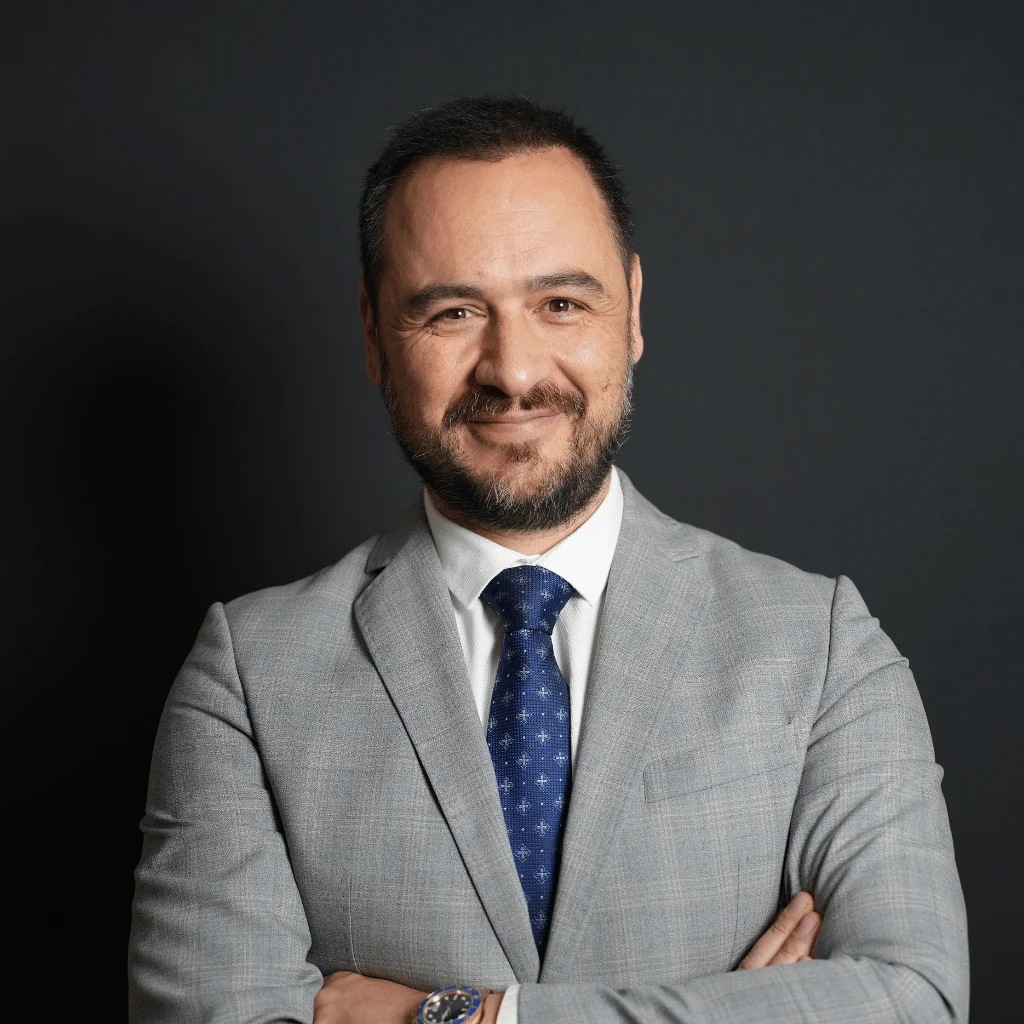
Dr. Mert Demirel
Plastic, Reconstructive & Aesthetic Surgery
Anatomy first. Proportion over excess. Decisions built to remain coherent over time.
Next step
The best treatment is the one that matches the right indication.
You do not need to choose a device, injectable or technique before asking the question. Start with what you would like to improve.
Private consultation
Let’s start with your question.
Leave your number first. We can then continue privately on WhatsApp.


