

Gidişat önemlidir
Hafif ve stabil olduğunda sık görülebilen bir belirti, hızla kötüleşiyorsa önemli olabilir.
Hasta Rehberi · Ameliyat sonrası uyarı işaretleri
Ameliyat sonrası belirtiler için güvenlik odaklı rehber: hangi durumlarda cerrahi ekibe ulaşılması gerektiğini ve hangi şiddetli ya da hızla kötüleşen belirtilerin bulunduğunuz yerde acil değerlendirilmesi gerektiğini açıklar.
Hafif ve stabil olduğunda sık görülebilen bir belirti, hızla kötüleşiyorsa önemli olabilir.
Normal iyileşme ameliyata göre değişir. Belirtileri başka bir hastanın deneyimiyle değil kendi taburculuk talimatlarınızla karşılaştırın.
Belirtiler şiddetliyse veya acil bir durum yaşadığınızı düşünüyorsanız WhatsApp, e-posta veya web formundan yanıt beklemeyin.
Recovery after surgery includes symptoms that can be expected and symptoms that deserve closer attention. The difficult part is that the same word — swelling, pain, redness or tiredness — can describe very different clinical situations depending on severity, speed of change, the operation and the individual patient.
This page cannot diagnose a postoperative problem. Its purpose is to help you recognise when a change should be reported to the surgical team and when severe or rapidly worsening symptoms require urgent local medical assessment.
A symptom does not need to appear on an internet checklist before it deserves attention. If you are seriously concerned about a sudden change, use the contact or emergency pathway provided to you.
The following categories can represent serious postoperative problems and should not be managed by waiting for an online response when they are severe, sudden or rapidly worsening.
Severe shortness of breath, difficulty breathing, new chest pain, collapse or other significant breathing or circulation symptoms require urgent local medical assessment.
Fainting with ongoing illness, loss of consciousness, marked confusion, severe weakness or another sudden significant neurological change should be treated as urgent.
Bleeding that is heavy, does not settle as instructed, rapidly saturates dressings or is accompanied by weakness or deterioration requires prompt medical assessment.
Some swelling is common after many procedures. Swelling that increases suddenly or rapidly, particularly when associated with significant pain, tension, asymmetry or deterioration, should be assessed promptly.
Postoperative discomfort varies by procedure. Pain that becomes suddenly severe, progressively worsens rather than following the expected pattern, or is accompanied by other concerning symptoms deserves clinical assessment.
Not every postoperative concern is an emergency, but some changes should still be reported rather than simply watched for several days.
Redness that spreads or intensifies, increasing warmth around an incision, new concerning drainage, unpleasant-smelling discharge or a wound that begins to separate should be reported according to your postoperative instructions.
Feeling feverish, developing chills or a persistent temperature concern — particularly when combined with worsening pain, redness, wound changes or general illness — should be discussed with the clinical team. Follow any specific temperature thresholds given in your discharge instructions.
Nausea can occur after surgery and anaesthesia, but persistent vomiting, inability to keep fluids down or signs that you are becoming increasingly unwell require medical advice.
New, significant or one-sided leg swelling, tenderness or pain should not be ignored, particularly after surgery or prolonged travel. If it occurs with breathing difficulty or chest pain, seek urgent medical care.
A new area that becomes markedly pale, dusky, blue, unusually dark or otherwise significantly different from the expected postoperative appearance should be shown to the surgical team promptly.
Depending on the operation, patients may experience swelling, bruising, tightness, temporary asymmetry, reduced energy, altered sensation and discomfort during recovery.
The presence of one of these symptoms does not automatically mean that recovery is abnormal. What matters is the operation, severity, timing and direction of change. The procedure-specific instructions you received at discharge are therefore more useful than comparing yourself with another patient’s photographs.
A stable symptom that was explained in advance is different from a symptom that changes dramatically over a short period. When contacting the clinic, describe what has changed rather than reporting only the name of the symptom.
Useful information may include when it began, whether it is getting better or worse, whether one side differs from the other and whether other symptoms appeared at the same time.
The surgical team may ask for photographs or video when reviewing a postoperative concern remotely. Use clear lighting and follow the requested views.
A photograph cannot assess every complication. If symptoms are severe or rapidly worsening, do not delay local medical assessment while trying to obtain the perfect photograph or waiting for a remote diagnosis.
Follow the clinic’s postoperative contact instructions and attend additional assessment if requested. Keep transport and accommodation flexible enough to allow an extra review when clinically necessary.
Contact the surgical team according to the follow-up pathway you were given, but remember that urgent treatment takes place where the patient is physically located.
If a symptom requires immediate examination, seek local medical care first. Your surgeon in Istanbul can then communicate with you and, where appropriate, with the clinicians assessing you locally.
If the symptom is not an emergency but differs from the recovery pattern you were given, contact the clinic rather than trying to diagnose it yourself. The team can decide whether observation, photographs, a scheduled review or local examination is appropriate.
You can also refer to the Post-operative Care library for the procedure-specific aftercare guide related to your operation.
Karar kontrol noktası
Bu sayfa endişe kategorilerini fark etmenize yardımcı olabilir ancak nedeni belirleyemez. Taburculuk talimatlarınızı izleyin, ameliyat sonrası sorunlarda cerrahi ekibe ulaşın ve şiddetli belirtilerde yerel acil sağlık hizmetlerini kullanın.
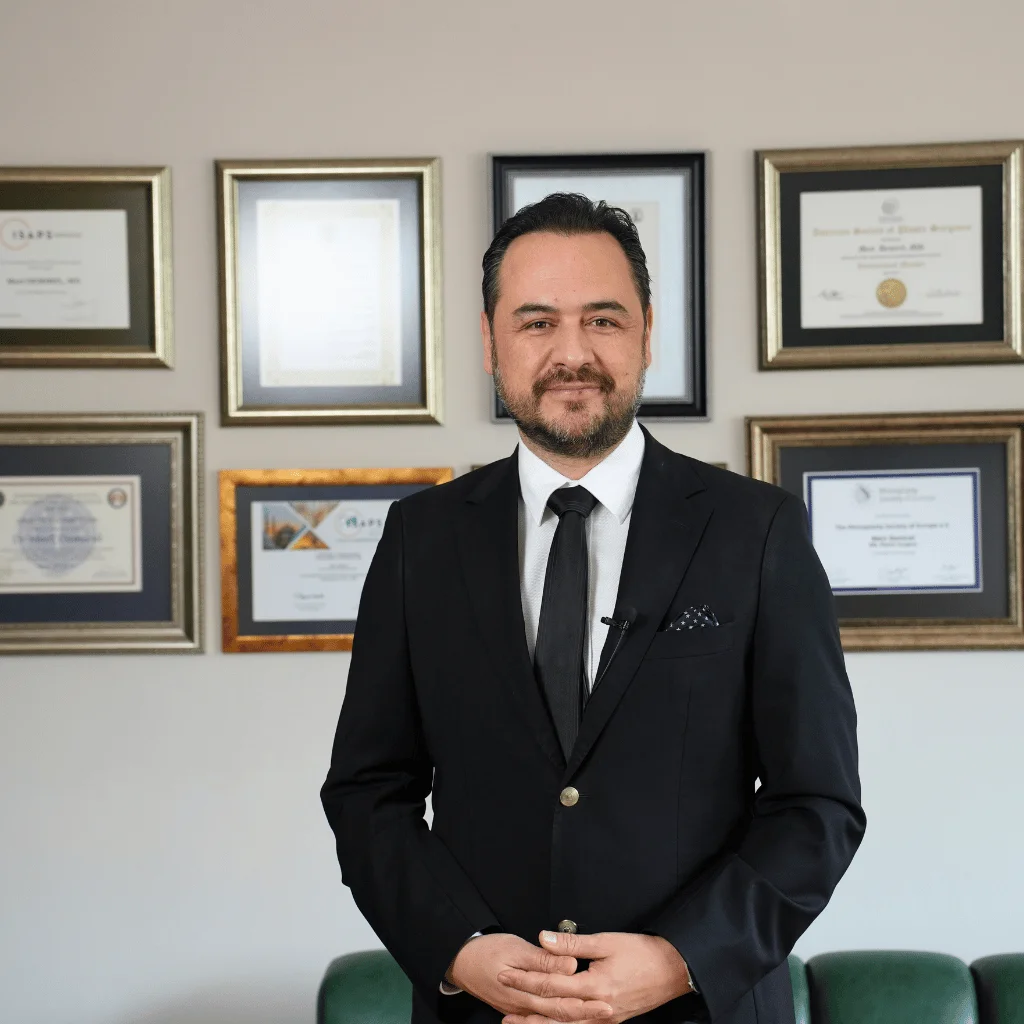
Dr. Mert Demirel
Önce anatomi. Aşırılık yerine oran. Zaman içinde tutarlılığını koruyacak kararlar.
Özel konsültasyon
Acil olmayan ameliyat sonrası sorularda klinik mesajınızı değerlendirip sonraki adımı yönlendirebilir. Şiddetli nefes darlığı, göğüs ağrısı, bilinç kaybı, kontrol edilemeyen kanama veya hızla kötüleşen başka bir acil belirti varsa bulunduğunuz yerde acil yardım alın.
Özel değerlendirme
Rutin takip için numaranızı bırakın. Şiddetli veya hızla kötüleşen belirtilerde önce yerel acil tıbbi değerlendirme gerekir.
Özel değerlendirme
Önce başvurunuzu kaydedelim, ardından WhatsApp üzerinden devam edelim.


