

Doğru endikasyon
Güvenlik, bir ameliyatın o kişi için baştan uygun olup olmadığının değerlendirilmesiyle başlar.
Hasta Rehberi · Hasta güvenliği
Güvenlik tek bir sertifika veya vaat değildir. Hasta seçimi, tıbbi uygunluk, nitelikli ekipler, uygun tesisler, aydınlatılmış onam ve bakım sürekliliğinden oluşan bir zincirdir.
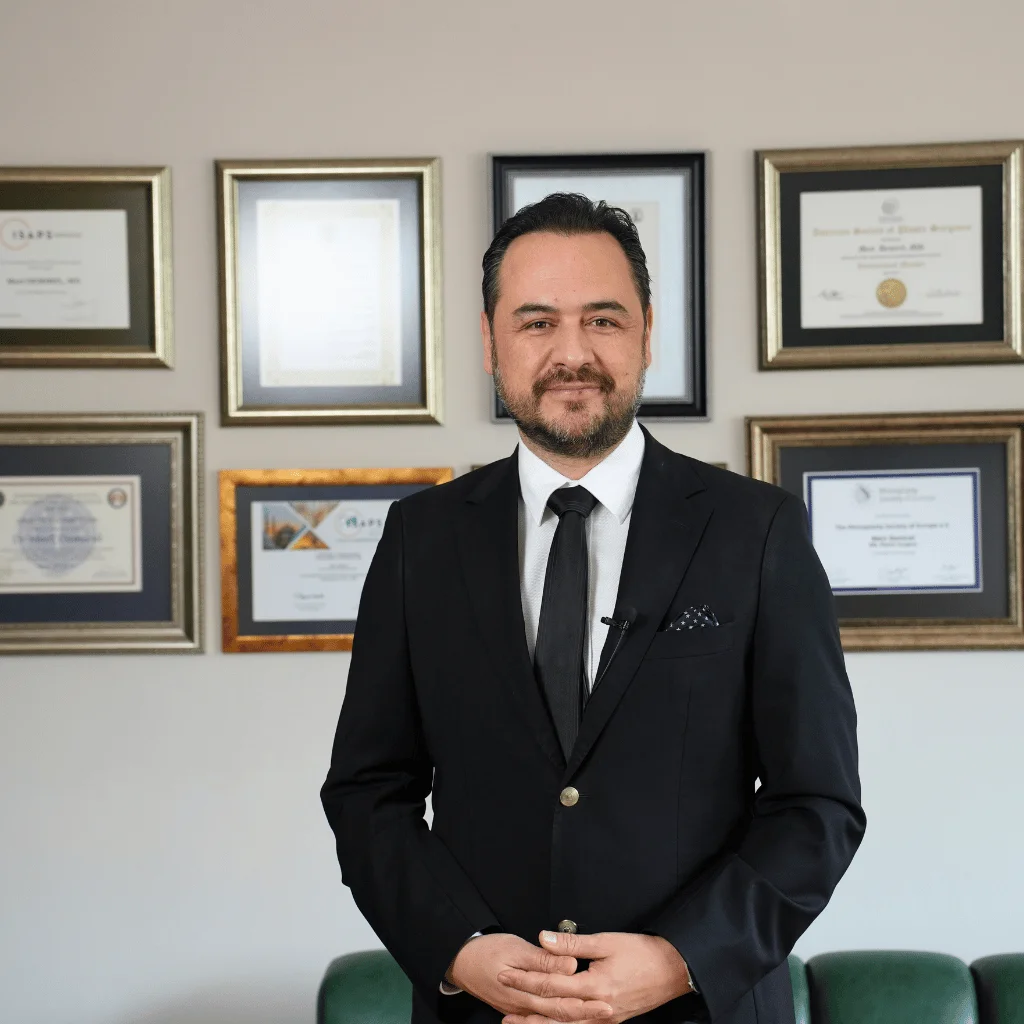
Güvenlik, bir ameliyatın o kişi için baştan uygun olup olmadığının değerlendirilmesiyle başlar.
Sorumlu bakım, sadece güven vermek yerine önemli riskleri ve sınırlamaları açıklar.
Güvenli bir süreç ameliyat öncesini, hastaneyi ve taburculuk sonrasını birlikte kapsar.
Patient safety is not one reassuring feature. It is a chain. The surgeon, indication, medical assessment, facility, anaesthesia, consent, postoperative monitoring and follow-up all need to work together.
The first safety decision is whether surgery is appropriate at all. A technically possible operation is not automatically the right operation for every patient, every goal or every moment in life.
Correct indication includes anatomy, health, expectations, previous procedures and the trade-offs of treatment. A selective surgeon may postpone, modify or decline an operation when the balance does not make sense.
Safety is not the absence of risk. It is how responsibly risk is understood, reduced, communicated and managed.
Look beyond titles used in advertising. Ask what specialist training the surgeon completed, what board certification applies, which professional societies they belong to and whether those claims can be verified independently.
Credentials do not guarantee a particular result, but they help establish whether the person responsible for the operation has an appropriate professional pathway and scope of practice.
The name on a website should match the surgeon responsible for the operation. If assistants or a team are involved, understand their roles. Patients should not discover on the day of surgery that responsibility is different from what they assumed during marketing or coordination.
Ask where the procedure will take place and how the facility is equipped for the planned operation. Understand who provides anaesthesia and how perioperative monitoring is organised.
The appropriate setting depends on the procedure and the patient’s health. The important point is transparency: the clinical environment should be chosen because it matches the medical needs of the case.
Medical history is not a formality. Conditions, previous complications, medications, allergies, nicotine exposure and other factors can change risk or timing. Depending on the case, the team may request blood tests, imaging, specialist review or additional evaluation.
Do not conceal information because you are worried it might delay surgery. Information that changes the plan is exactly the information the team needs.
Consent is more than signing a document. You should understand the purpose of the procedure, relevant alternatives, expected scars or trade-offs, material risks, recovery demands and what would count as a complication.
If the only conversation is about benefits and photographs, the decision is incomplete.
Unrealistic expectations can push treatment toward excessive intervention, repeated surgery or dissatisfaction even when surgery is technically successful. A responsible plan defines what can reasonably change and what should remain untouched.
Natural-looking outcomes are not created by promising subtlety. They depend on indication, planning, anatomy and restraint.
Ask who reviews you after surgery, how early problems are assessed and how the team can be contacted. If you are travelling internationally, know what follow-up is expected before departure and how remote communication continues after you return home.
A patient pathway is not complete when the operation ends. Recovery and complication management are part of the same clinical responsibility.
Long journeys, early flights and distance from the surgical team can affect the practical risk of recovery. The right return date depends on the operation and the individual patient. Ask how travel timing is incorporated into the medical plan rather than accepting a fixed package duration.
Use independent sources where possible. Professional boards and societies, hospital information, official health-authority records and direct written communication can help confirm claims. Verification is not distrust; it is part of informed decision-making.
Safety is easier to evaluate when responsibility is visible. You should be able to identify who makes the medical decisions, where care takes place, how suitability is assessed and what happens when recovery does not follow the expected path. If an important link in that chain remains vague, keep asking.
Karar kontrol noktası
Doğrulanabilir yetkinlikleri, açık sorumluluğu, uygun tıbbi değerlendirmeyi, gerçekçi beklentileri ve tanımlı takip yolunu arayın. Önemli bir nokta belirsizse sormaya devam edin.
Dr. Mert Demirel
Önce anatomi. Aşırılık yerine oran. Zaman içinde tutarlılığını koruyacak kararlar.
Özel konsültasyon
Tıbbi öykünüzü ve web sitesinden doğrulayamadığınız soruları getirin. Sorumlu bir konsültasyon bakım sürecini ve sınırlarını daha şeffaf hâle getirmelidir.
Özel değerlendirme
Önce numaranızı bırakın. Talebiniz kaydedilir, ardından WhatsApp üzerinden devam edilebilir.
Özel değerlendirme
Önce başvurunuzu kaydedelim, ardından WhatsApp üzerinden devam edelim.


