

Динаміка має значення
Симптом, який може бути звичайним у легкій і стабільній формі, стає важливішим, якщо швидко погіршується.
Гід пацієнта · Післяопераційні тривожні ознаки
Орієнтований на безпеку гід щодо симптомів після операції: коли потрібно зв’язатися з хірургічною командою і які тяжкі або швидко прогресуючі симптоми потребують невідкладної оцінки там, де ви перебуваєте.
Симптом, який може бути звичайним у легкій і стабільній формі, стає важливішим, якщо швидко погіршується.
Нормальне відновлення відрізняється залежно від операції. Порівнюйте симптоми зі своїми інструкціями, а не з досвідом іншого пацієнта.
Не чекайте відповіді у WhatsApp, електронною поштою чи через форму, якщо симптоми тяжкі або ви підозрюєте невідкладний стан.
Recovery after surgery includes symptoms that can be expected and symptoms that deserve closer attention. The difficult part is that the same word — swelling, pain, redness or tiredness — can describe very different clinical situations depending on severity, speed of change, the operation and the individual patient.
This page cannot diagnose a postoperative problem. Its purpose is to help you recognise when a change should be reported to the surgical team and when severe or rapidly worsening symptoms require urgent local medical assessment.
A symptom does not need to appear on an internet checklist before it deserves attention. If you are seriously concerned about a sudden change, use the contact or emergency pathway provided to you.
The following categories can represent serious postoperative problems and should not be managed by waiting for an online response when they are severe, sudden or rapidly worsening.
Severe shortness of breath, difficulty breathing, new chest pain, collapse or other significant breathing or circulation symptoms require urgent local medical assessment.
Fainting with ongoing illness, loss of consciousness, marked confusion, severe weakness or another sudden significant neurological change should be treated as urgent.
Bleeding that is heavy, does not settle as instructed, rapidly saturates dressings or is accompanied by weakness or deterioration requires prompt medical assessment.
Some swelling is common after many procedures. Swelling that increases suddenly or rapidly, particularly when associated with significant pain, tension, asymmetry or deterioration, should be assessed promptly.
Postoperative discomfort varies by procedure. Pain that becomes suddenly severe, progressively worsens rather than following the expected pattern, or is accompanied by other concerning symptoms deserves clinical assessment.
Not every postoperative concern is an emergency, but some changes should still be reported rather than simply watched for several days.
Redness that spreads or intensifies, increasing warmth around an incision, new concerning drainage, unpleasant-smelling discharge or a wound that begins to separate should be reported according to your postoperative instructions.
Feeling feverish, developing chills or a persistent temperature concern — particularly when combined with worsening pain, redness, wound changes or general illness — should be discussed with the clinical team. Follow any specific temperature thresholds given in your discharge instructions.
Nausea can occur after surgery and anaesthesia, but persistent vomiting, inability to keep fluids down or signs that you are becoming increasingly unwell require medical advice.
New, significant or one-sided leg swelling, tenderness or pain should not be ignored, particularly after surgery or prolonged travel. If it occurs with breathing difficulty or chest pain, seek urgent medical care.
A new area that becomes markedly pale, dusky, blue, unusually dark or otherwise significantly different from the expected postoperative appearance should be shown to the surgical team promptly.
Depending on the operation, patients may experience swelling, bruising, tightness, temporary asymmetry, reduced energy, altered sensation and discomfort during recovery.
The presence of one of these symptoms does not automatically mean that recovery is abnormal. What matters is the operation, severity, timing and direction of change. The procedure-specific instructions you received at discharge are therefore more useful than comparing yourself with another patient’s photographs.
A stable symptom that was explained in advance is different from a symptom that changes dramatically over a short period. When contacting the clinic, describe what has changed rather than reporting only the name of the symptom.
Useful information may include when it began, whether it is getting better or worse, whether one side differs from the other and whether other symptoms appeared at the same time.
The surgical team may ask for photographs or video when reviewing a postoperative concern remotely. Use clear lighting and follow the requested views.
A photograph cannot assess every complication. If symptoms are severe or rapidly worsening, do not delay local medical assessment while trying to obtain the perfect photograph or waiting for a remote diagnosis.
Follow the clinic’s postoperative contact instructions and attend additional assessment if requested. Keep transport and accommodation flexible enough to allow an extra review when clinically necessary.
Contact the surgical team according to the follow-up pathway you were given, but remember that urgent treatment takes place where the patient is physically located.
If a symptom requires immediate examination, seek local medical care first. Your surgeon in Istanbul can then communicate with you and, where appropriate, with the clinicians assessing you locally.
If the symptom is not an emergency but differs from the recovery pattern you were given, contact the clinic rather than trying to diagnose it yourself. The team can decide whether observation, photographs, a scheduled review or local examination is appropriate.
You can also refer to the Post-operative Care library for the procedure-specific aftercare guide related to your operation.
Контрольна точка рішення
Ця сторінка допомагає розпізнати категорії ризику, але не визначає причину. Дотримуйтеся інструкцій після виписки, звертайтеся до хірургічної команди та використовуйте місцеву невідкладну допомогу при тяжких симптомах.
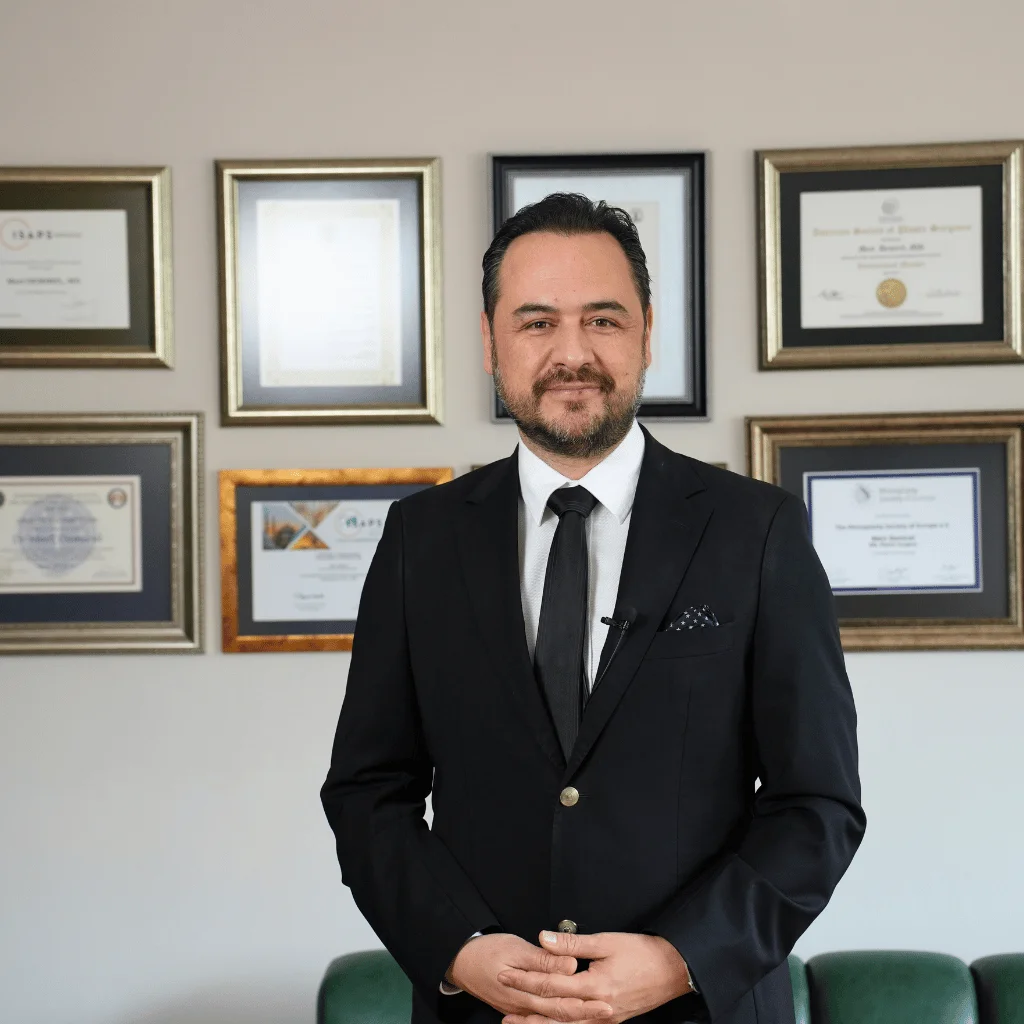
Dr. Mert Demirel
Передусім анатомія. Пропорції замість надмірності. Рішення, що зберігають гармонійність із часом.
Приватна консультація
Для неекстрених післяопераційних питань клініка може переглянути повідомлення і підказати наступний крок. При тяжкому утрудненні дихання, болю у грудях, втраті свідомості, неконтрольованій кровотечі або іншому швидкому погіршенні зверніться по місцеву невідкладну допомогу негайно.
Приватна консультація
Для планового контролю залиште номер. При тяжких або швидко прогресуючих симптомах спочатку потрібна місцева невідкладна медична оцінка.
Приватна консультація
Спочатку ми збережемо ваше звернення, а потім продовжимо у WhatsApp.


