The 360° tummy tuck is often presented as a complete solution for every midsection concern — a single operation that erases excess skin, sculpts the waist, and redefines the torso in one step. In practice, that framing oversimplifies what the procedure can honestly deliver. The right decision is rarely about the label of the operation; …
The 360° tummy tuck is often presented as a complete solution for every midsection concern — a single operation that erases excess skin, sculpts the waist, and redefines the torso in one step. In practice, that framing oversimplifies what the procedure can honestly deliver.
The right decision is rarely about the label of the operation; it is about whether the anatomy supports the change being requested. When the request is extreme relative to what the tissues allow, the surgical footprint expands without a proportional gain in quality. The result can look overdone, irregular, or unbalanced.
This article is not an argument against the 360° tummy tuck. It is an honest account of when doing less, waiting, or choosing a different approach is the more mature surgical plan. The governing variables are tissue quality, skin envelope, dominant driver, and expectation alignment — not the name of the operation.
Define the problem before the procedure
A midsection complaint is rarely one problem. It is usually a mix of skin laxity, subcutaneous fat, intra-abdominal volume, and structural waist width — the bony and muscular frame between the lower ribs and iliac crests. Each of these responds differently to surgery, and confusing them leads to plans that overpromise.
The 360° tummy tuck is most honest when the dominant driver is a combination of excess skin and circumferential fat distribution in a patient whose weight is stable and whose tissue has reasonable recoil. In that setting, addressing both the front and the flanks in one operation can produce a coherent result.
When the dominant driver is structural waist width, however, no amount of liposuction or skin excision will change the underlying frame. Chasing a narrow waist through maximal removal in this scenario tends to produce a scooped lateral line and a hip frame that looks disconnected rather than sculpted. The operation did its work; the anatomy did not allow the requested shape.
When skin recoil is limited — whether from prior weight loss, pregnancy, age, or genetic tissue quality — aggressive suction without adequate excision can leave a loose, wavy, or irregular envelope. The volume was reduced, but the surface did not follow.
Options and trade-offs
A standard tummy tuck addresses the front of the abdomen: skin and fat below the umbilicus, muscle repair when indicated, and a horizontal scar. It does not reshape the flanks. For patients whose concern is truly anterior, adding a circumferential component increases recovery and scar burden without meaningful benefit.
A 360° tummy tuck extends the excision around the flanks and lower back. The benefit is circumferential skin redraping and a more continuous contour. The trade-off is a longer scar, a more demanding recovery, and a higher physiological load from a larger surgical field.
A staged approach — for example, liposuction and weight stabilization first, followed by excisional surgery once the envelope has declared itself — is often the more honest plan when tissue quality is uncertain or when the patient is still early in a weight-loss journey. Doing everything at once is not always doing it well.
Before committing to a 360° tummy tuck, it helps to turn the decision into a set of clinical questions:
• Driver: What is the dominant anatomical driver — skin, volume, structural frame, or a combination?
• Skin envelope: Does the skin have enough recoil, or is excision the only honest lever?
• Trade-off: If a circumferential scar is required for a meaningful change, is that trade-off acceptable?
• Weight stability: Has weight been stable long enough for the envelope to reflect its true state?
• Expectations: Are guarantees, fixed measurements, or photo matching being asked for?
If the answers do not line up, the correct plan may be a smaller operation, a delayed operation, or no operation at all.
Recovery, timelines, and what normal looks like
A 360° tummy tuck is a significant operation with a recovery that unfolds in phases rather than days. Early swelling, tightness, and postural adaptation are expected. What the torso looks like in the first weeks is not what it will look like at six months.
Swelling around the flanks and lower back tends to resolve later than swelling at the front. Scars mature slowly and continue to change in color and texture for up to a year or more. Some asymmetry in the early phase is normal and often settles without intervention.
Early appearance is not final appearance. Judging the result too soon — and asking for revisions while the tissues are still declaring themselves — usually creates more problems than it solves. Checkpoints at three months, six months, and one year are more useful than day-by-day comparison.
A mature plan
The 360° tummy tuck is a powerful tool when the diagnosis calls for it. It becomes the wrong answer when the request outruns the anatomy, when weight is unstable, when expectations are rigid, or when the surgical footprint is disproportionate to the underlying concern. The procedure should follow the diagnosis, not the other way around.
Consultation is for evaluation, not commitment. Doing less, delaying, or choosing not to operate are all valid outcomes of an honest assessment. A good plan protects the patient from a good operation done for the wrong reasons.
Op. Dr. Mert Demirel
European Board Certified Plastic Surgeon (EBOPRAS)
ISAPS & ASPS Member
Istanbul, Turkey
Sent via Notion Automations
Book a Consultation
Get a clear, personalized assessment based on your anatomy and goals.
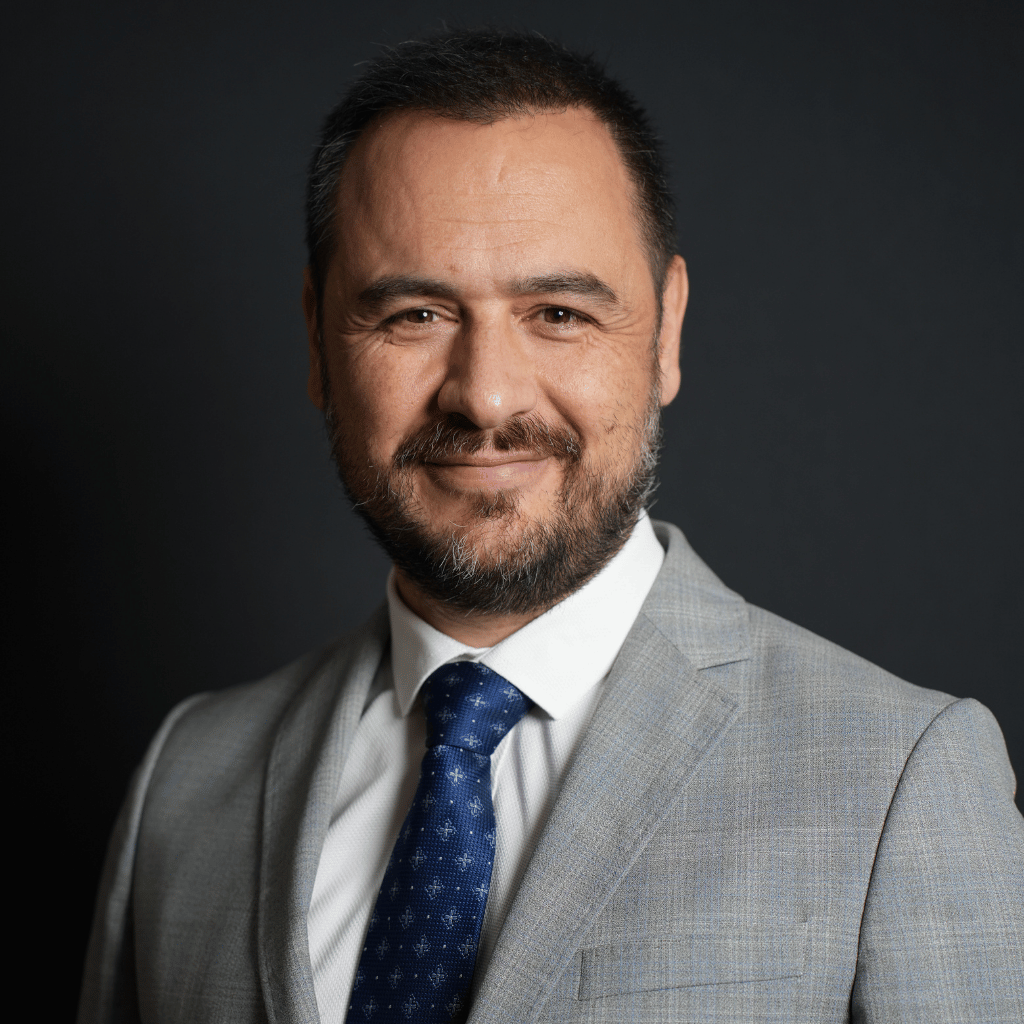
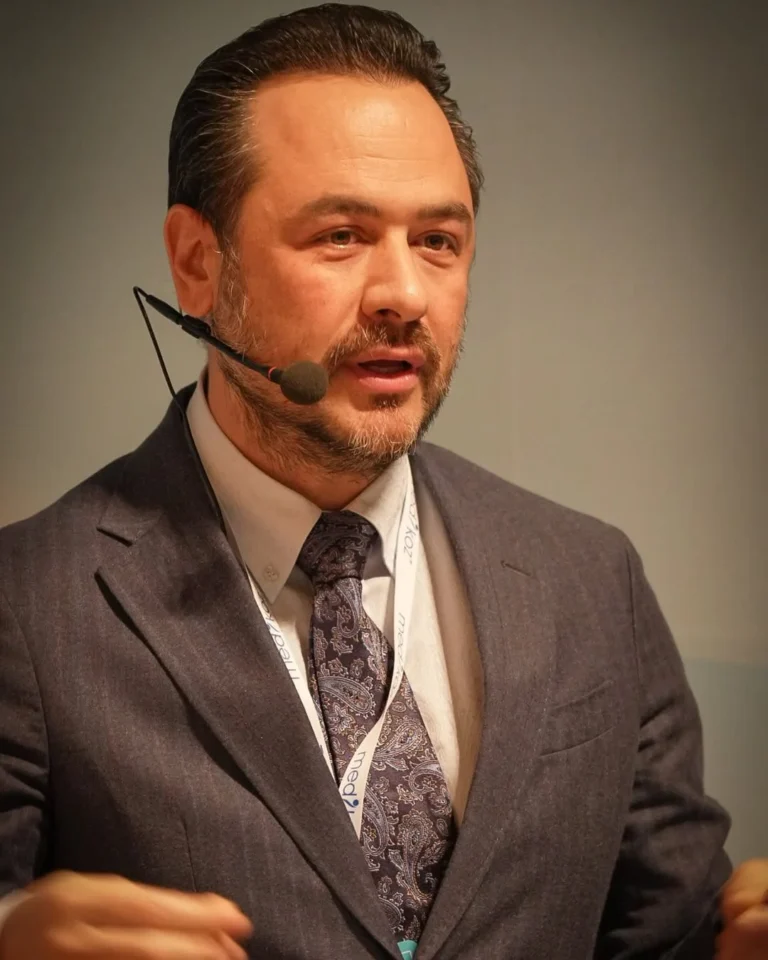
Dr. Mert Demirel
Dr. Mert Demirel is a European Board Certified Plastic, Reconstructive and Aesthetic Surgeon based in Istanbul, with over 20 years of medical experience and a strong focus on natural, balanced outcomes.
He approaches aesthetic surgery as a medically guided decision process, prioritizing anatomical suitability, long-term safety, and individualized treatment planning for each patient.