Plastic Surgery for International Patients in Istanbul: What to Know
Introduction
Traveling internationally for plastic surgery is no longer unusual. In our practice we meet patients every week who have already done a great deal of research before they reach out — reading articles, comparing surgeons, watching consultation videos, and weighing the practical realities of taking time off work, flying with a companion, and recovering away from home. Istanbul is one of the cities that comes up repeatedly in those conversations, and for good reasons: it has experienced plastic surgeons working in accredited hospitals with established infrastructure for international care. It also, like any large international market, contains less rigorous operators. The aim of this article is to explain, calmly and step by step, what plastic surgery for international patients in Istanbul actually involves — so a thoughtful patient can recognize what a serious clinical pathway looks like and make a well-informed decision rather than a hopeful one.
Good international plastic surgery in Istanbul is built on the same foundations as good plastic surgery anywhere: a board-certified plastic surgeon, an accredited hospital, qualified anesthesia, individualized planning, clear informed consent, adequate stay for early recovery, and structured remote follow-up once the patient has returned home. Location is part of the experience, but it is not a substitute for any of these foundations.
Why Patients Consider Istanbul
Istanbul has become a recognizable destination for plastic surgery for a combination of reasons: a concentration of experienced surgeons, modern accredited hospital infrastructure, and well-developed logistics for patients arriving from abroad. International patients often find that clinics with structured international programs offer organized communication, language support, and coordination with hospital teams, which can make a complex trip easier to navigate. Cost is also part of the equation for many patients, and that is a legitimate consideration — but cost depends on individual factors only, including the specific procedure, anatomy, complexity, hospital, anesthesia, and follow-up plan. Price should never be the primary criterion in a surgical decision, and any clinic that leads with price rather than with credentials and clinical reasoning is communicating something important about its priorities. The right way to think about Istanbul is the same as the right way to think about any city: ask whether this specific surgeon and this specific facility meet the standards you would expect anywhere else.
What “The International Patient Journey” Actually Means
It helps to think of the international patient journey as a clinical pathway, not a travel package. In practice it has roughly six phases: an initial remote consultation with the surgeon, a careful medical history review and individualized planning, an in-person consultation on arrival with a physical examination, the surgery itself in an accredited hospital, an early postoperative recovery period in Istanbul under direct medical supervision, and a structured remote follow-up once the patient has returned home. Each phase has a clinical purpose and cannot be safely skipped or compressed below a sensible minimum. A well-run program also includes clear written communication throughout — a documented treatment plan, postoperative instructions, and accessible contact points for questions. The emphasis throughout should be that safety and follow-up matter more than speed: a faster trip is not a better trip if it shortens the parts of the pathway that protect the patient.
Choosing the Surgeon and the Facility
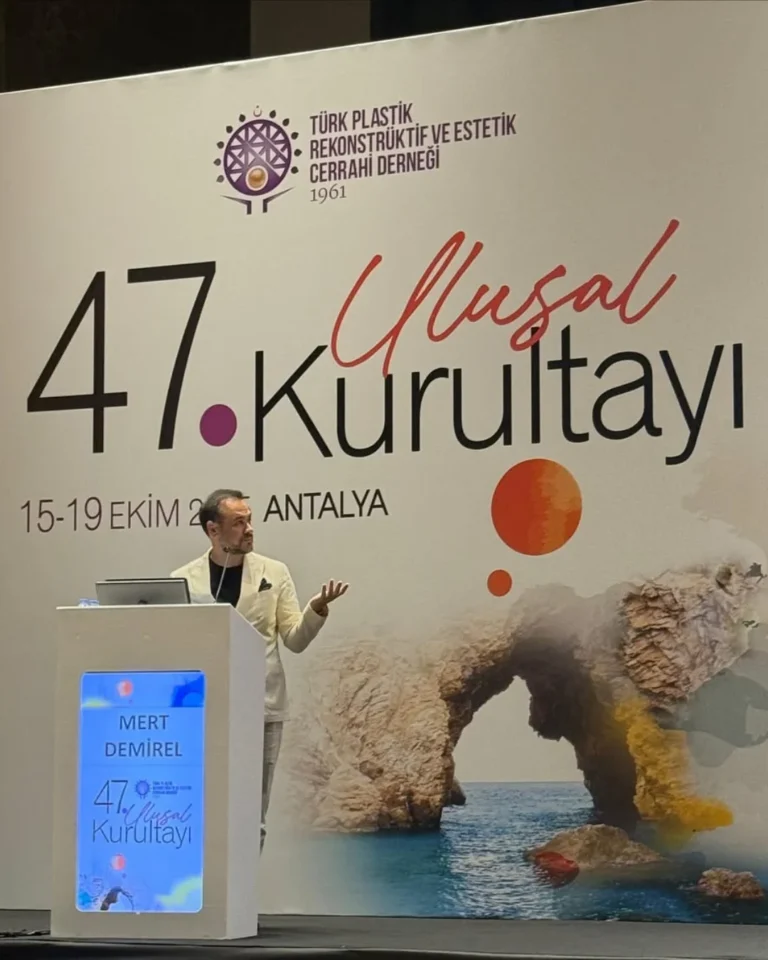
The single most important decision an international patient makes is not which city and not which package, but who performs the surgery and where it is performed. The surgeon should be board-certified in plastic, reconstructive and aesthetic surgery — in Europe, the relevant credential is often EBOPRAS (European Board of Plastic, Reconstructive and Aesthetic Surgery). Society memberships such as ISAPS (International Society of Aesthetic Plastic Surgery) and ASPS (American Society of Plastic Surgeons) are not magic credentials, but they reflect documented training and active engagement with international standards and continuing education. The surgical environment should be an accredited hospital facility with proper monitoring, recovery capacity, and emergency capabilities, and anesthesia should be administered by a qualified anesthesiologist — a physician trained in anesthesia, not ad-hoc personnel.
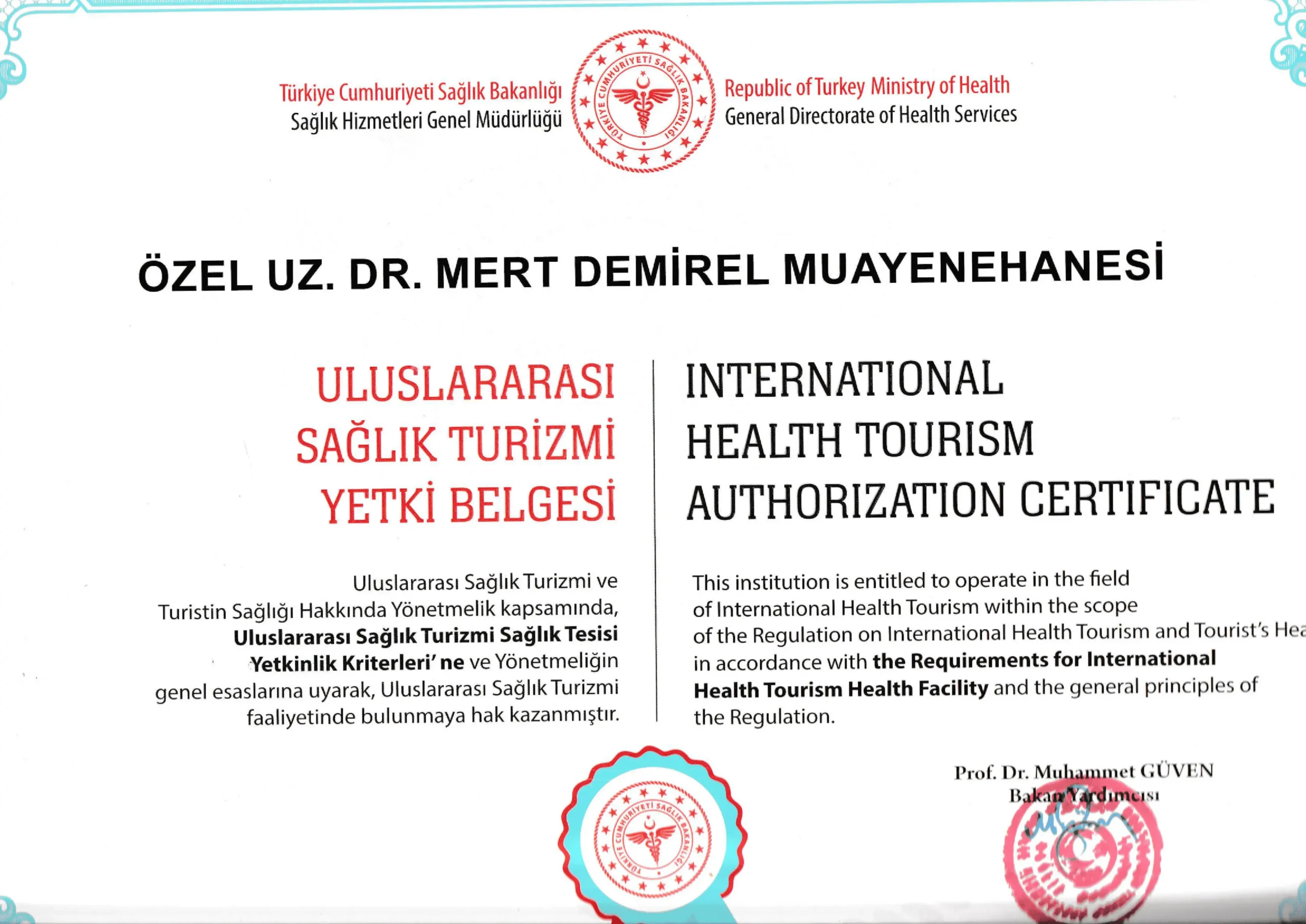
It is also worth understanding that in many countries, including Turkey, practitioners certified in different specialties may legally perform some aesthetic procedures. This is precisely why credential verification matters and why the surgeon’s specific board certification deserves explicit confirmation, not assumption. A patient who asks clear questions about exactly who will perform the surgery, exactly who will administer anesthesia, and exactly where the operation will take place is not being difficult — they are doing the most important due diligence available to them.
Remote Consultation: What It Can and Cannot Do
A remote consultation is a useful starting point and, for many international patients, the only practical way to begin. With a thoughtful video conversation, photographs taken according to standard angles, and a complete medical history, an experienced surgeon can identify obvious contraindications, discuss realistic expectations, outline the general approach, and clarify whether traveling for the procedure is reasonable in principle. What a remote consultation cannot do is replace a physical examination. Tissue quality, skin behavior, asymmetries, and three-dimensional anatomy are difficult to assess fully from photographs, and the final surgical plan must therefore be confirmed in person, after a calm, unhurried in-person consultation on arrival. This is why a responsible practice will never lock a patient into a fixed plan before in-person examination, and will leave room to revise — or, when indicated, decline — the procedure if the in-person assessment changes the clinical picture.
Planning the Trip: Realistic Stay Duration
Length of stay depends on the specific procedure, individual healing, and flying considerations, and it should be planned with the surgeon — not promised by a marketing page. As a general orientation, smaller procedures (such as eyelid surgery or limited liposuction) usually require a shorter postoperative stay than larger procedures (such as abdominoplasty, breast surgery, or combined operations), which need more days of direct medical monitoring before a long flight is sensible. Even within the same procedure, individual factors — swelling, drains if any, comfort, the surgeon’s specific protocol, the route home — affect the safe minimum.
For that reason, rigid stay-duration promises like “in and out in five days, regardless of procedure” should be read as a red flag, not a service. A clinic offering this is prioritizing logistical predictability over individual safety, and patients pay the price when their biology does not cooperate with a marketing timeline. The right question to ask is not “how short can my stay be?” but “what is the appropriate stay for this procedure, for me, given my route home?”
Flying After Plastic Surgery
Flying is one of the most underestimated parts of the international patient journey. Flying after plastic surgery must be discussed individually, because risks — such as deep vein thrombosis with prolonged immobility, swelling, and pressure changes that can affect healing tissue — depend on the procedure, the patient’s medical background, and the duration of the flight. As a general orientation, patients are usually advised to allow adequate time between surgery and the return flight, to hydrate well, to move safely during the flight when permitted (ankle movements, brief standing when the cabin allows), and to follow the surgeon’s specific recommendations about compression garments, anticoagulation, and activity restrictions. None of this is a substitute for an individualized conversation: the surgeon who knows the patient’s anatomy and procedure is the one who should approve the flight.
Informed Consent and Risk Discussion Across Borders
Informed consent is one of the most misunderstood parts of plastic surgery, and the misunderstanding is even more consequential when a patient has traveled internationally. Properly understood, consent is a conversation, not a signature: it is the careful discussion in which the surgeon explains what the procedure can realistically do, what it cannot do, what the alternatives are, what the risks are, and what recovery will look like, in language the patient genuinely understands. A safe consultation feels unhurried, especially when the patient has flown for it. The patient should feel free to ask questions, free to think, and — importantly — free to walk away if the conversation does not feel right. A surgeon who is willing to say no when indications are not right, or to revise the plan after in-person examination, is offering a safer pathway than one who simply confirms whatever the patient hoped to hear.
Continuity of Care After Returning Home
The part of the international patient journey most often invisible in marketing is continuity of care — and it is the part most worth verifying in advance. A safe practice plans for remote follow-up after the patient has returned home: scheduled video check-ins, photo updates at standard intervals, and written guidance that explains what is expected during healing and what is not. The patient should know, in plain language, what symptoms warrant urgent attention in their own country, who to contact, and how to reach the surgical team after travel. A clear plan for managing complications is a hallmark of a safe practice, not a sign that something is expected to go wrong. Practices that avoid the topic of complications, or that disappear once the patient has flown home, are not offering safety; they are offering a fragile narrative that will not survive contact with biology.
Red Flags in International Plastic Surgery Marketing
Patients should also learn to recognize patterns that consistently correlate with lower-quality care. None of these is automatically a sign of malpractice, but together they should make any international patient slow down and ask more questions:
- Rigid stay-duration promises like “in and out in five days,” regardless of the procedure.
- Fixed online prices and aggressive discounts that move faster than any real consultation could.
- Vague credentials — surgeon names hidden, training pathway not stated, certifications not specified.
- Undisclosed surgical teams, where the patient does not know in advance who will actually perform the operation.
- Social-media-only communication, with no formal medical records, written treatment plan, or accessible clinic.
- Packages that minimize follow-up, treating recovery as an afterthought rather than a clinical priority.
- Exaggerated transformation imagery that promises results no surgery can ethically guarantee.
Read these patterns as signals to ask more questions, not as accusations. A clinic with nothing to hide will welcome questions; a clinic that responds with pressure or vagueness is telling the patient something important about its safety culture.
Practical Preparation Before Traveling
The practical side of the trip matters more than patients often realize, and good preparation is part of patient safety, not paperwork. Before flying, patients should organize their medical records and medication list (including supplements and over-the-counter medications), complete any blood tests the surgeon has requested in advance, plan companion and travel arrangements where appropriate, consider insurance and travel coverage, and choose accommodation suitable for early recovery — quiet, accessible, near the clinic when possible, and with the basics in place to make rest genuinely restful. Clear communication channels with the clinic — written, traceable, and answered by clinical staff — should be established before travel, not improvised during it. The more the patient prepares calmly in advance, the more the in-person consultation and surgery can focus on clinical decisions rather than logistics.
Questions International Patients Should Ask
A short, useful set of questions to bring into any international consultation:
- What is your specific board certification and society memberships, and where can I verify them?
- Is the surgery performed in an accredited hospital, and who exactly administers the anesthesia?
- Who will perform my surgery — specifically, not as a team — and will that person be present from start to finish?
- What preoperative workup do you require for someone with my medical history?
- What is your realistic recommendation for stay duration and flight timing, given my procedure and route home?
- What are the realistic risks of this procedure, and how do you manage complications if they occur, including after I have returned home?
- What is your remote follow-up plan, and how do I reach you in the weeks and months after the procedure?
The quality of the answers matters more than the number of questions asked. Clear, unhurried answers are a strong sign; vagueness or pressure is a strong sign in the opposite direction.
Realistic Expectations and Ethical Guidance
It is worth saying plainly: no surgery is risk-free, no outcome can be guaranteed, and healing varies between individuals, even with identical procedures performed by the same surgeon. Revision surgery is a recognized part of plastic surgery — a normal possibility, not a failure label. Travel does not change biology: a body that has been operated on still needs the same time, rest, and attention regardless of where the surgery happened. Patients who hold realistic expectations tend to be calmer through recovery, more compliant with postoperative instructions, and statistically more satisfied with their results in the long term. Expectation management is itself a safety factor, because it shapes how the patient experiences healing and how the patient and surgeon work together when refinement is needed.
Final Thoughts
Plastic surgery for international patients in Istanbul can be excellent, safe, and ethical when the foundations are in place — a board-certified plastic surgeon, an accredited facility, qualified anesthesia, individualized planning, transparent informed consent, and structured follow-up. When these elements are present and visible, Istanbul is one of the cities in the world where serious plastic surgery happens routinely. When they are absent or unclear, any city is risky. The patient’s job is not to trust marketing language but to look for these foundations — in the surgeon, in the facility, in the consultation, and in the follow-up plan — and to slow down when any of them is missing.
This content is for general educational purposes and does not replace an in-person consultation.
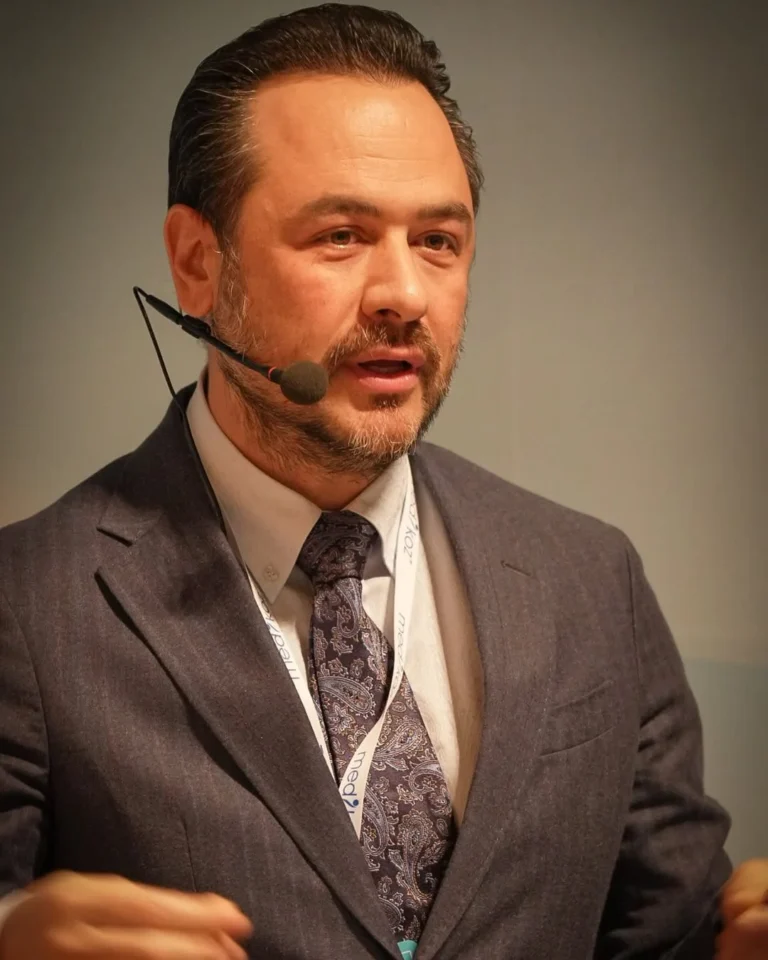
Op. Dr. Mert Demirel
European Board Certified Plastic Surgeon (EBOPRAS)
ISAPS & ASPS Member
Istanbul, Turkey
Quick Links
Dr. Mert Demirel
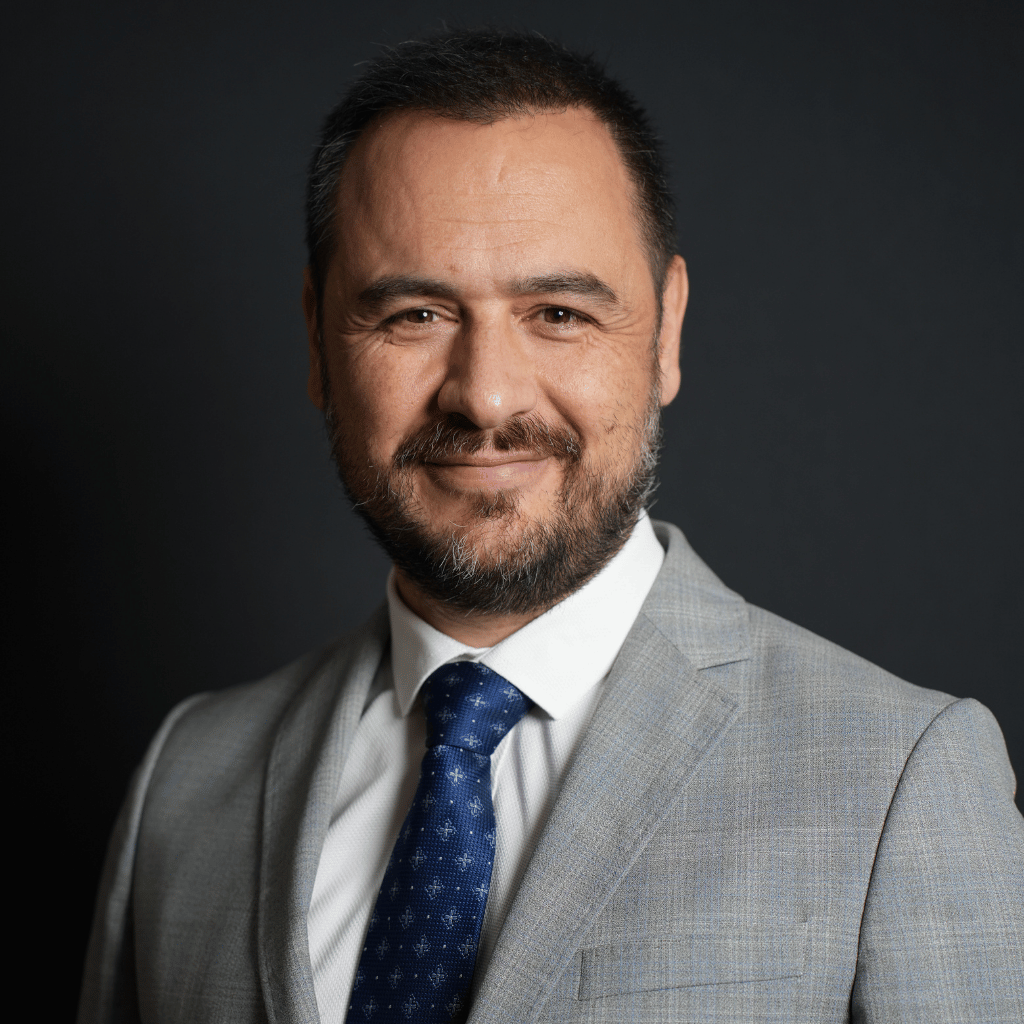
Dr. Mert Demirel is a European Board Certified Plastic, Reconstructive and Aesthetic Surgeon based in Istanbul, with over 20 years of medical experience and a strong focus on natural, balanced outcomes.
He approaches aesthetic surgery as a medically guided decision process, prioritizing anatomical suitability, long-term safety, and individualized treatment planning for each patient.