Plastic Surgery in Istanbul: What Patients Should Know
Introduction
Few topics in international medicine attract as much attention — and as much noise — as plastic surgery in Istanbul. For every calm, medically grounded conversation about it, there are dozens of marketing posts, social-media threads, and packaged offers that compress a serious decision into a holiday-style itinerary. Patients deserve better than that. In our practice, we routinely meet international patients who have spent months reading conflicting information online and who simply want a quiet, anatomically honest overview of what plastic surgery in Istanbul actually involves, what to take seriously, and what is reasonable to expect. The aim of this article is to offer exactly that kind of overview: a balanced look at the landscape, the safety foundations that matter most, how to evaluate a surgeon anywhere in the world, and the practical realities of consultation, travel, and recovery.
Plastic surgery in Istanbul is a broad category covering both cosmetic and reconstructive procedures, performed across a wide spectrum of quality. Patient safety, surgeon credentials, and individualized planning matter far more than location alone, and a calm, anatomy-based evaluation should always come before any decision about travel or technique.
The Landscape: What “Plastic Surgery in Istanbul” Really Means
The phrase “plastic surgery in Istanbul” is often used as if it described a single, uniform market, but in reality it covers a broad range of procedures and providers. At one end of the spectrum, board-certified plastic surgeons with rigorous European or international training operate in fully accredited hospital facilities, with qualified anesthesia teams and structured follow-up. At the other end, less rigorous operators promote inexpensive packages with limited credentials and limited continuity of care. Istanbul is therefore not a single market, and a patient’s experience can vary dramatically depending on which slice of that market they encounter. The first job of any international patient is to recognize this variation and to research carefully, rather than treating the city itself as a guarantee of quality.
Why Patients Consider Istanbul
There are real, clinically meaningful reasons that plastic surgery in Istanbul has become a serious option for international patients. Many surgeons trained in Turkey complete demanding residencies in plastic, reconstructive and aesthetic surgery and pursue European Board Certification (EBOPRAS) or comparable credentials. The volume of cases performed in major Turkish centers can, when paired with proper training and supervision, support a high level of technical experience. Private hospitals are typically well equipped with modern operating theaters, intensive care backup, and accredited standards. Istanbul also offers practical advantages such as direct flights from many cities and a well-developed hospitality infrastructure. None of these factors substitutes for individual judgment about a specific surgeon and procedure, but together they help explain why Istanbul has become a thoughtful, defensible choice for many international patients who do their homework.
Common Categories of Procedures Performed in Istanbul
A helpful way to understand the field is to think in broad procedure categories rather than in headline procedures. Facial aesthetic surgery includes rhinoplasty, blepharoplasty, facelift, otoplasty, and genioplasty, among others, and is one of the most refined areas of plastic surgery because of the visibility and complexity of facial anatomy. Body contouring covers liposuction, abdominoplasty (tummy tuck), mommy makeover combinations, and body lift procedures, where careful patient selection, BMI, and skin quality matter enormously. Breast surgery includes augmentation, lift, reduction, gynecomastia correction in men, and areola reduction. Non-surgical aesthetic medicine — such as botulinum toxin, dermal fillers, and energy-based skin treatments — is also widely offered, though it requires the same medical seriousness as surgery. Finally, reconstructive procedures are performed where there is a true medical indication. This article does not go deep into any single procedure on purpose; the goal here is a high-level map that helps patients orient themselves before reading more focused, procedure-specific articles.
What Patient Safety Actually Means
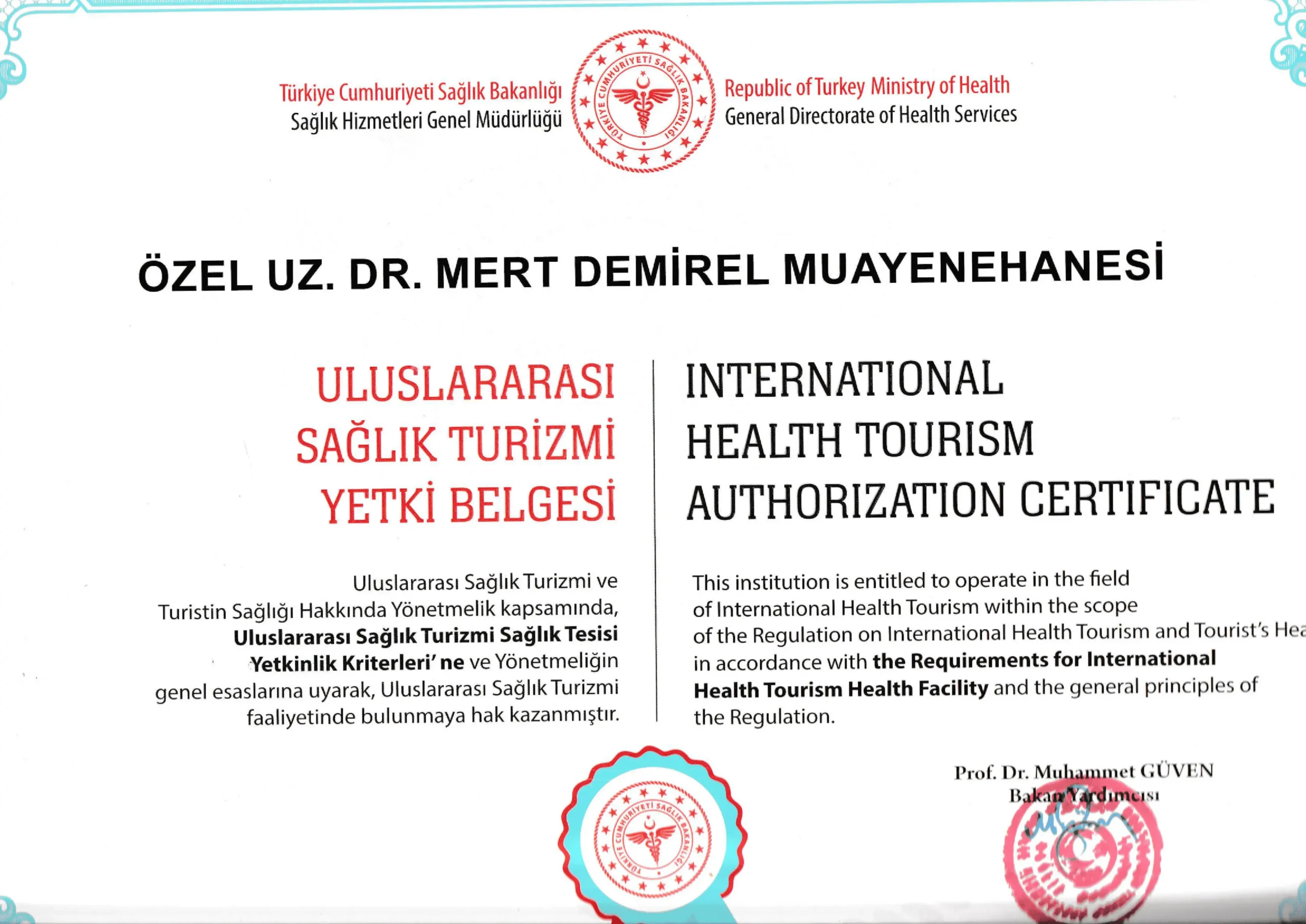
When patients ask how to judge “safety,” the answer is more concrete than the marketing language suggests. Patient safety culture in plastic surgery rests on a small number of non-negotiable foundations. The surgeon should be board-certified in plastic, reconstructive and aesthetic surgery — in Europe, that often means EBOPRAS — not certified in a different specialty that happens to also perform aesthetic procedures. Anesthesia should be administered by a qualified anesthesiologist, not by ad-hoc personnel. Surgery should take place in an accredited hospital facility with proper monitoring, recovery, and emergency capabilities. There should be an appropriate preoperative workup, including labs and assessment of medical history. Consent and risk discussion must be clear and unhurried, not buried in paperwork. And there must be a real plan for continuity of care during the recovery period, including follow-up appointments and a defined path for managing complications if they occur. These elements form the non-negotiable foundation of safe plastic surgery, regardless of the country in which it is performed.
How to Evaluate a Plastic Surgeon (Anywhere, Including Istanbul)
A strong framework for evaluating a surgeon does not depend on geography. It begins with the training pathway and board certification — not just “experience,” which is often used loosely, but documented completion of a recognized plastic surgery training program and a current board certification. Society memberships such as ISAPS and ASPS are not magic credentials, but they do reflect ongoing engagement with international standards and continuing education. Specific experience with the procedure of interest matters more than total years in practice: a surgeon who performs your specific operation regularly is generally a better fit than one who performs it occasionally. The quality of the consultation is itself diagnostic — a surgeon who listens carefully, asks substantive questions, offers options, and is willing to say no when the indications are not right tells you more about their professionalism than any glossy portfolio. Honesty about risks and a clear plan for follow-up, particularly for international patients, complete the picture.
A short, useful set of questions to bring into any consultation:
- What is your specific training, board certification, and society memberships?
- Is the surgery performed in an accredited hospital, and who administers the anesthesia?
- How often do you perform this specific procedure, and what are its main risks?
- What does a realistic outcome look like for someone with my anatomy?
- What is your revision policy if the result needs refinement later on?
- How is follow-up handled for international patients, including remote check-ins after I travel home?
The Consultation and Planning Process
A meaningful evaluation in plastic surgery is anatomy-based and individualized. It typically begins with a thorough history — what bothers the patient, how long it has bothered them, any prior surgeries or medical issues, medications and supplements, allergies, smoking status, and lifestyle factors that influence healing. A careful examination follows, often supported by photographic analysis from standardized angles. The surgeon then discusses options honestly, including the option of doing nothing, and explains the relevant risks, recovery, and limitations in language the patient can understand. From this composite picture comes an individualized surgical plan tailored to the specific anatomy and goals of the patient. Remote conversations and photos can usefully begin this process, but for surgery, in-person evaluation remains the gold standard, because palpation, breathing, posture, skin quality, and small live observations add information that screens cannot fully capture.
Travel, Timing, and Recovery in Istanbul
For international patients, the practical planning around travel should be built on medical reality, not on a packaged itinerary. A reasonable trip allows time for consultation, procedure, early recovery, and follow-up, and the exact duration depends on the procedure and the patient. Flying timing is individual: it depends on the operation, on pressure considerations, and on how each patient is healing. Rigid promises about a specific number of days — “in and out in five days” — are usually a sign that medical priorities are being subordinated to logistics. A patient-centered surgeon designs the journey around how the body actually heals, not around how quickly a return flight can be booked. Safety and follow-up matter more than speed, and that principle deserves to be at the center of every travel plan.
Realistic Expectations and Results
One of the most reliable predictors of long-term patient satisfaction is the careful match between expectations and what the anatomy can deliver. No plastic surgery is risk-free, and no outcome can be guaranteed; the goal of ethical plastic surgery is meaningful, harmonious improvement, not transformation into someone else. Results are individual, shaped by skin type, tissue quality, genetics, postoperative care, and time. Healing variability is real — two patients with similar surgeries can heal differently, and final results often take many months to settle. Comparing one’s expected outcome to filtered images on social media is rarely helpful and frequently leads to disappointment. The aim is a result that looks like it belongs on your body, ages with you, and serves you for the long term.
Risks, Limitations, and What “Revision” Really Means
An honest discussion of plastic surgery includes its risks and limitations. Complications can occur even with excellent technique, and the spectrum includes bleeding, infection, scarring concerns, sensory changes, asymmetries, and — in a small percentage of cases — the consideration of revision surgery at a later stage. Revision is not a failure label; it is a recognized part of the field, and a surgeon’s willingness to discuss revision policy before surgery is one of the clearest signs of professionalism. Patients who approach the field with this honest framing tend to feel more confident throughout their care, because they are not relying on a perfection that no one can promise.
Costs in Plastic Surgery: An Honest Framing
Cost is a fair concern, but it is also one of the easiest places for marketing to distort reality. Cost depends on individual factors only — anatomy, complexity, the techniques required, anesthesia, the surgical facility, and the structure of follow-up. Two patients undergoing the same headline procedure can have very different plans, and therefore very different costs. Fixed online prices and aggressive discounts should be read as a signal to slow down and ask more questions, not as a reason to move faster. The most expensive option is not automatically the safest, and the cheapest option is often the most expensive in the long run if complications, revisions, or unmet expectations arise. A serious consultation provides a clear, individualized estimate after a real evaluation — not a number copied from a website.
Questions Patients Should Ask
In addition to the surgeon-evaluation questions above, a few broader questions are worth raising before committing to plastic surgery in any city, Istanbul included:
- Where will the surgery be performed, and is the facility accredited?
- Who manages care if a complication occurs outside business hours?
- What does the realistic recovery timeline look like for my specific procedure?
- What restrictions on travel, exercise, and work should I plan for?
- What follow-up is included, and how do you handle late questions or concerns once I am home?
Clear, direct answers to these questions are a far stronger signal of quality than marketing materials, before-and-after galleries, or social-media presence.
Final Thoughts
Plastic surgery in Istanbul can be an excellent option when it is approached with the same seriousness as plastic surgery anywhere else: a board-certified plastic surgeon, an accredited facility, qualified anesthesia, anatomy-based evaluation, individualized surgical planning, realistic expectations, and a real plan for follow-up. Location alone is not a guarantee, in either direction — a city does not make a surgeon, and a surgeon’s quality is not determined by their postal address. What matters is the careful, ethical relationship between the patient and the surgeon, and the willingness of both to make decisions based on what is actually right for that patient’s anatomy and goals. Approached this way, Istanbul is simply one of the places in the world where excellent plastic surgery happens — quietly, ethically, and with the patient’s long-term wellbeing at the center.
This content is for general educational purposes and does not replace an in-person consultation.
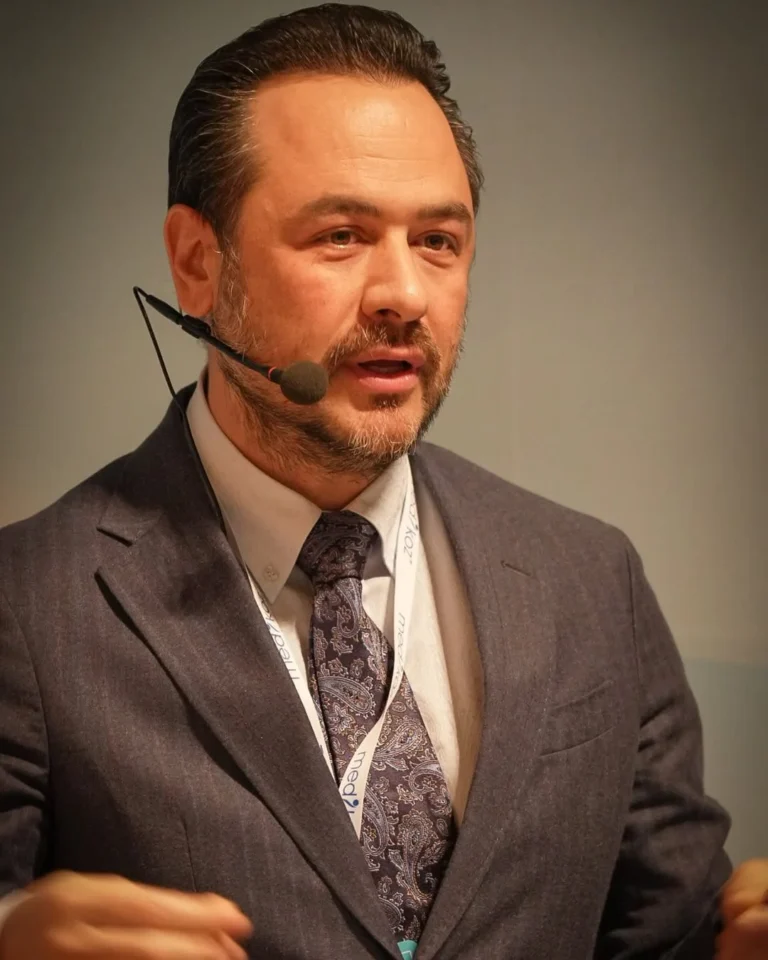
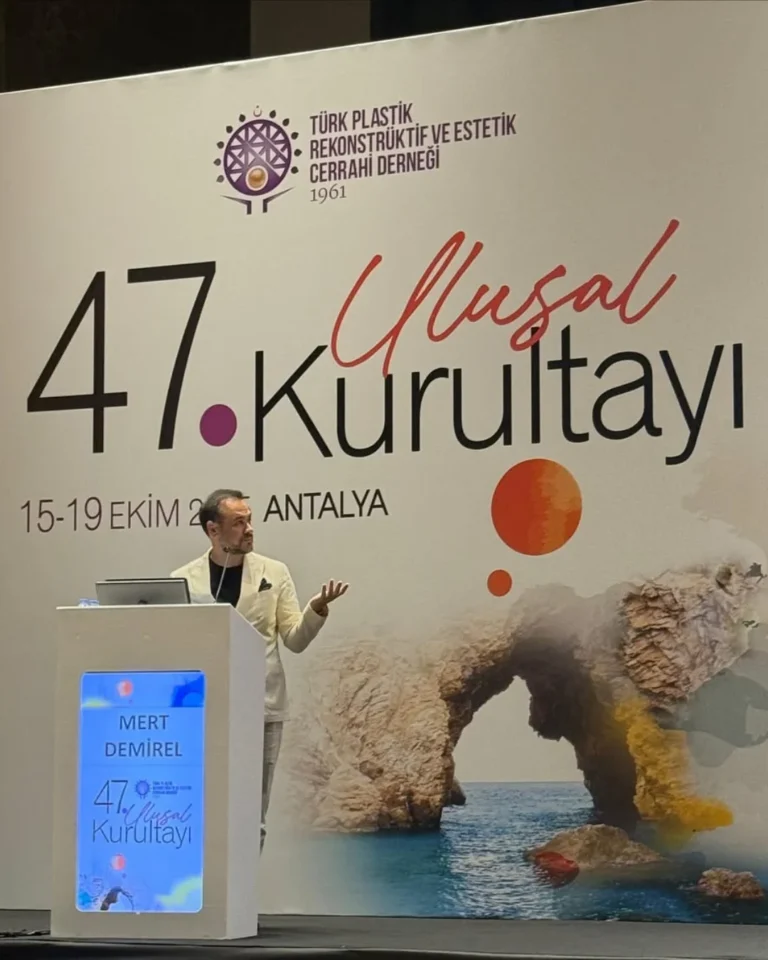
Op. Dr. Mert Demirel
European Board Certified Plastic Surgeon (EBOPRAS)
ISAPS & ASPS Member
Istanbul, Turkey
Quick Links
Book a Consultation
Get a clear, personalized assessment based on your anatomy and goals.
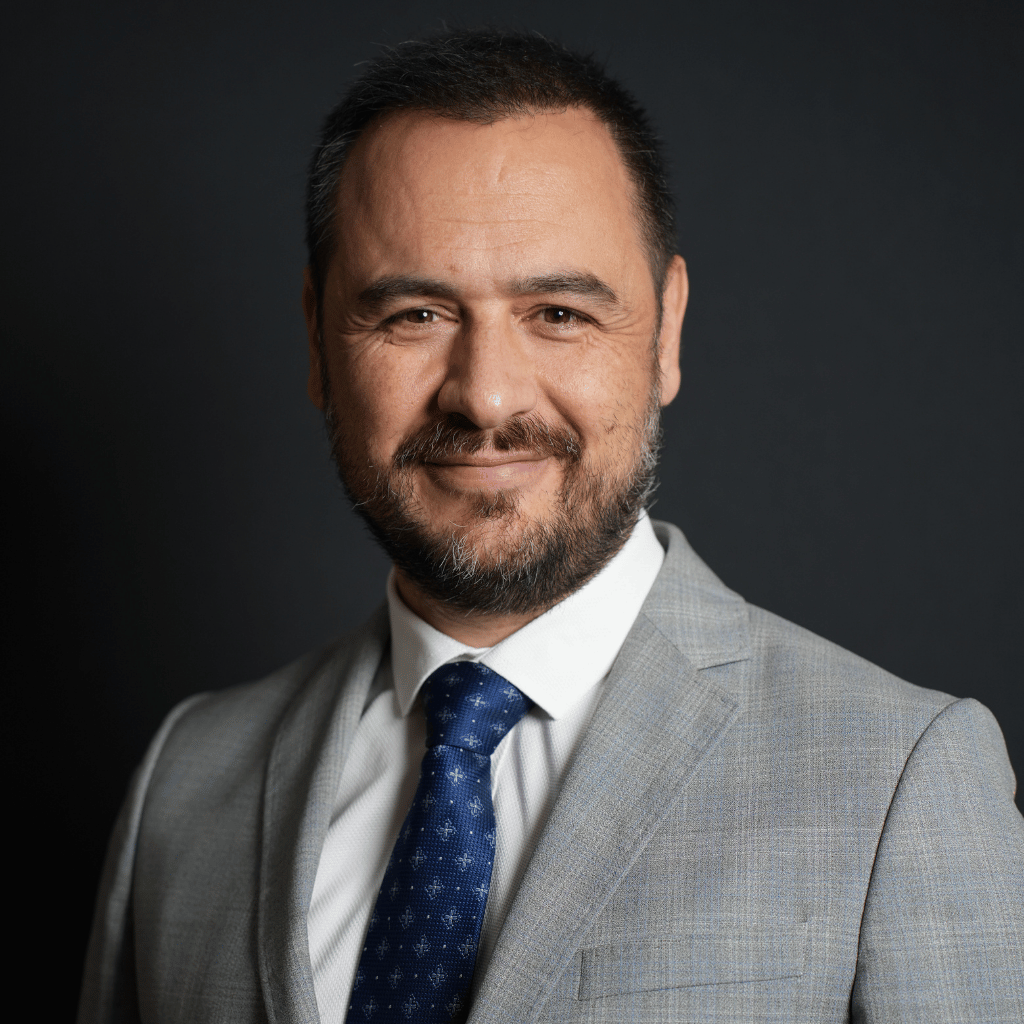
Dr. Mert Demirel
Dr. Mert Demirel is a European Board Certified Plastic, Reconstructive and Aesthetic Surgeon based in Istanbul, with over 20 years of medical experience and a strong focus on natural, balanced outcomes.
He approaches aesthetic surgery as a medically guided decision process, prioritizing anatomical suitability, long-term safety, and individualized treatment planning for each patient.