Breast Revision Surgery: Risks, Solutions, and the Specialist Approach Breast revision surgery is a secondary operation performed to address concerns after a previous breast augmentation, lift, reduction, or reconstruction—such as capsular contracture, implant malposition, size/shape dissatisfaction, or tissue changes over time. Because it involves working with scar tissue and altered anatomy, the plan must be …

Breast Revision Surgery: Risks, Solutions, and the Specialist Approach
Breast revision surgery is a secondary operation performed to address concerns after a previous breast augmentation, lift, reduction, or reconstruction—such as capsular contracture, implant malposition, size/shape dissatisfaction, or tissue changes over time. Because it involves working with scar tissue and altered anatomy, the plan must be individualized, safety-focused, and grounded in realistic expectations rather than “perfect” outcomes.
Breast revision is often discussed as if it’s simply a “redo” of the first surgery, but in clinical reality it is usually more nuanced. A revision is not only about what the patient wants to change; it is also about what the tissues will safely allow, what the prior operation changed, and what will be stable long-term. In many cases, the most important part of revision surgery is not the implant itself—it is the quality of the soft tissue envelope, the presence and behavior of scar tissue, and the overall anatomy that supports the breast shape.
A featured snippet (40–60 words)
Breast revision surgery is performed to correct problems or dissatisfaction after a prior breast procedure, such as capsular contracture, implant displacement, asymmetry, or changes in breast tissue over time. Because the anatomy has already been altered and scar tissue may be present, revision requires individualized planning, clear limitations, and a strong emphasis on patient safety and realistic expectations.
What Breast Revision Surgery Is—and Why It’s Different From Primary Surgery
In primary breast surgery, the surgeon is working with tissue that has not been surgically altered before. The planes are more predictable, the skin and breast tissue have not been shaped and reshaped by prior operations, and there is typically less scar tissue to navigate. While primary surgery still requires careful technique and planning, the environment is generally more “fresh.”
Breast revision surgery, by contrast, begins with a history: the type of prior operation, the implant characteristics (if present), the incision locations, the pocket plane (subglandular, submuscular, dual-plane), the patient’s healing patterns, and any complications that occurred. Scar tissue can affect how the breast moves, how an implant sits, how the lower fold behaves, and how the skin drapes. Even when the external problem seems simple—“the implant sits too high,” “the breast looks asymmetric,” or “the shape feels unnatural”—the underlying cause may be complex.
A revision also often carries more constraints. Tissue may be thinner than before, the breast skin may have stretched, or the lower pole may be weakened. The implant pocket might be oversized, too tight, displaced, or distorted. Sometimes the prior surgery created a stable result for years, but the patient’s body changed—pregnancy, weight fluctuations, natural aging, hormonal changes, and lifestyle factors can all change the breast envelope over time. For these reasons, revision planning is rarely “one-size-fits-all.” It is an anatomy-based evaluation followed by an individualized plan, with careful discussion of what is realistically achievable.
Why This Topic Matters: Common Reasons Patients Consider Revision
Patients usually seek breast implant revision or other revision procedures for two broad reasons: aesthetic dissatisfaction and medical or structural complications. In practice, these categories overlap. A patient may feel unhappy with shape or symmetry, and that dissatisfaction may be rooted in a true anatomical issue such as malposition, capsular contracture, or tissue thinning.
One of the most common reasons is capsular contracture treatment—the development of a tight, thickened capsule around an implant that can lead to firmness, distortion, pain, or a breast that looks “high and round” in an unnatural way. Another common reason is implant malposition, such as bottoming out (implant sitting too low), lateral displacement (implant drifting to the side), or high-riding implants. Some patients experience a “double bubble” appearance when the implant and the breast fold do not align properly, especially in cases where the natural fold or breast shape has been changed over time.
There are also patients who feel their implant size no longer matches their body or lifestyle. A change in physical activity, posture, or comfort may shift priorities. Some patients develop concerns about implant visibility or rippling, particularly if soft tissue becomes thinner. Others may want implant exchange vs implant removal, and the decision can be deeply personal—based on comfort, aesthetics, lifestyle, and risk tolerance.
It’s also important to acknowledge the emotional aspect. Patients seeking revision often carry a sense of disappointment or exhaustion. A prior surgery may have been a major decision, financially and emotionally, and experiencing complications or dissatisfaction can understandably create fear about undergoing another procedure. In this context, the consultation should not feel rushed. It should feel clear, respectful, and medically grounded, with a strong emphasis on safety and honest limitations.
Who May Be a Candidate for Breast Revision Surgery?
A patient may be a good candidate for breast revision surgery when there is a clear issue that revision can realistically improve and when the patient’s health status supports safe surgery. Typical candidates include patients with:
- Capsular contracture causing firmness, distortion, discomfort, or visible shape changes
- Suspected implant rupture or leakage (confirmed or evaluated with appropriate imaging)
- Breast asymmetry after implants that is meaningful and stable, not early postoperative swelling
- Implant malposition (high, low, lateral, or medial displacement) that affects shape and comfort
- Unfavorable implant size/shape for current goals, with realistic expectations for change
- Tissue laxity, ptosis, or changes after pregnancy/weight fluctuations that alter breast aesthetics
- Rippling or implant visibility due to thin tissue, where appropriate strategies may improve coverage
However, candidacy is not only about the presence of a problem. It is also about the quality of the tissue, the condition of the implant pocket, and the patient’s ability to heal. A patient who understands that revision surgery often aims to create a better and more stable result—not necessarily a “perfect” one—is typically positioned for a healthier decision-making process.
Who May Not Be a Good Candidate—Or When It May Be Too Early
Sometimes the most responsible answer is not “let’s revise immediately,” but “let’s evaluate the timing.” If the initial surgery was recent, it may be too early to judge true shape. Swelling, scar maturation, and tissue settling can take months. A breast that looks asymmetric early can become more balanced as healing progresses. Similarly, tightness or firmness may soften as tissues relax.
A patient may not be an ideal candidate at a given time if:
- Healing from the prior surgery is still ongoing and tissues have not stabilized
- There are uncontrolled medical conditions that increase surgical risk
- Smoking or nicotine use is active, increasing risks of wound healing problems and complications
- Weight is actively fluctuating in a way that may compromise long-term stability
- The patient has expectations that are not aligned with anatomical realities (for example, expecting exact symmetry or guaranteed permanence)
This is not about “rejecting” the patient—it is about moving toward the safest and most sustainable plan. Revision surgery can be meaningful, but it should be performed when it is most likely to be safe and beneficial.
Consultation and Planning: What Matters Most Before Revision
A thoughtful revision plan starts with details. Patients are often surprised to learn how much information from the previous surgery can affect the new strategy. If available, it can be very helpful to bring:
- Operative notes from prior surgery (if accessible)
- Implant card or “passport” with brand, volume, type, and serial information
- Any previous imaging (ultrasound or MRI if done)
- A clear timeline of symptoms: when the concern began, how it progressed, and what changed
A surgeon will typically evaluate the breast in a structured way: tissue thickness, skin quality, fold position, nipple-areola position, implant location, degree of asymmetry, and signs of capsular tightness. In some cases—particularly when rupture is a concern or when capsular contracture is suspected—imaging can help confirm implant integrity and guide planning.
Planning also involves goal-setting. Revision surgery is often a decision between trade-offs. A patient might want smaller implants, but also wants upper pole fullness. A patient may want a dramatic lift, but the tissue may be thin or scarred. Another patient may want implant removal but expects the breast to look exactly as it did before augmentation, which is not always possible. A responsible consultation clarifies these tensions early and frames the plan around what is safe, realistic, and stable.
What Happens During Revision Surgery (Cautiously Explained)
Revision surgery can include a range of techniques, and the specific plan depends on anatomy, tissue quality, and the problem being addressed. Because this is an educational overview, it’s better to understand revision as a set of possible strategic goals rather than a step-by-step procedure.
In cases of capsular contracture, the strategy may involve addressing the capsule and the implant pocket to reduce tightness and distortion. In cases of malposition, the goal may be to correct pocket boundaries and create better implant stability. If the implant is being exchanged, the size, profile, and type are selected based on the patient’s anatomy and desired outcome, but always with an emphasis on what the tissue can support safely.
In some patients, revision is not only about the implant—it may involve adjusting the skin envelope and breast position. That is why revision sometimes includes a lift. In other cases, improving tissue coverage and contour may involve adding support to thin areas or using strategies that enhance tissue thickness. What matters most is that the plan is individualized. A revision that looks “simple” from the outside may require careful internal correction to produce a stable, natural result.
Recovery Timeline: What to Expect (and Why Variability Matters)
Recovery after breast revision surgery can be more variable than primary surgery. Scar tissue, tissue quality, and the extent of internal pocket work can influence how the breast settles. Many patients experience swelling, tightness, and limited upper body movement early on, and these typically improve gradually.
A realistic way to think about recovery is in phases. In the early days, discomfort and swelling are most noticeable, and patients usually benefit from rest, careful movement, and following post-operative instructions closely. Over the first few weeks, many patients return to light daily activities, while avoiding heavy lifting and intense upper-body exercise. Over the following months, swelling continues to improve and breast shape becomes more refined.
The key concept is healing variability. Even when surgery is technically successful, tissue behavior differs from person to person. Some patients settle quickly; others take longer. The final contour and softness can evolve over months. This is why revision planning should be paired with realistic expectations and a calm recovery mindset, rather than a rigid timeline.
A short bullet list can be helpful for safety awareness. Patients should contact their surgical team promptly if they experience red flags such as:
- Sudden, rapidly increasing swelling on one side
- Significant redness with fever or worsening pain
- Unusual drainage from incisions
- Shortness of breath or chest pain (urgent evaluation)
These are not expected “normal recovery” symptoms, and early assessment matters.
Risks and Limitations: A Candid, Safety-First Discussion
All surgery involves risk, and revision surgery has additional complexity because the anatomy has already been altered. Some risks overlap with primary surgery—bleeding, infection, anesthesia-related risks, wound healing issues—while others are more specific to revision context.
One key limitation is that scar tissue can reduce predictability. The implant pocket may not behave like an untouched pocket. Tissue can be thinner, and the skin envelope may be stretched or weakened. In cases of capsular contracture, recurrence is possible even with appropriate technique and planning. In malposition corrections, stability depends on tissue strength and the nature of the pocket. In implant exchange, the new implant must be chosen in a way that respects tissue limits; larger or heavier implants may increase the risk of bottoming out or stretching over time.
It’s also important to speak honestly about symmetry. Human bodies are not perfectly symmetrical, and breasts are particularly prone to subtle differences in rib shape, muscle anatomy, skin quality, and breast tissue distribution. Revision can often improve symmetry, but “identical twins” symmetry is not a realistic promise. A responsible goal is a result that is balanced, natural, and stable, with limitations discussed upfront.
Finally, revision surgery is not always best done as an aggressive one-step transformation. In certain complex cases, staged planning may be safer and more predictable. The highest-quality outcomes often come from a strategy that respects the biology of healing and the constraints of tissue.
International Patients Considering Breast Revision Surgery in Istanbul
Many international patients consider breast revision surgery in Istanbul due to access to specialized surgical care and comprehensive planning. If you are traveling for revision, the most important principle is that travel should support safety—not speed.
Remote evaluation can be helpful for initial guidance, but it cannot replace an in-person examination. Photos and questionnaires do not fully reveal tissue thickness, implant pocket behavior, or subtle signs that matter in revision planning. Ethical planning includes allowing time for in-person consultation, appropriate imaging when needed, surgery, early recovery, and follow-up.
Travel logistics should also remain flexible. Patients often ask for exact timelines for return flights, but flying after breast surgery should be discussed individually. The appropriate timing depends on the type of revision, the patient’s health profile, and early recovery progress. Rigid promises can be unsafe. A better approach is to plan a stay that allows comfortable early recovery and at least one meaningful follow-up assessment before returning home, with a clear pathway for communication afterward.
Long-term follow-up is also part of ethical care. International patients should understand how postoperative support will work once they return home: scheduled check-ins, guidance for typical healing milestones, and a plan for addressing concerns if they arise. Revision surgery is a significant medical decision, and continuity of communication matters.
Preparing for Your Consultation
A good consultation is not only about receiving recommendations—it is also about clarity. Preparing well helps you get more from the appointment and helps your surgeon plan responsibly. Consider bringing:
- Your implant card/passport and any prior operative notes if available
- A list of your main concerns (comfort, shape, asymmetry, firmness, position)
- A timeline: when symptoms started, what changed, what improved or worsened
- Your medical history, medications, and any relevant imaging
It can also help to think about why you want revision. Are you seeking improved comfort? A more natural silhouette? Smaller implants? Correcting malposition? Understanding your priorities helps create a plan that fits your goals and anatomy.
Questions Patients Should Ask
A short list of high-value questions can keep the consultation practical:
- Based on my anatomy and tissue quality, what outcome is realistic?
- What is the most likely cause of my concern—capsule, pocket, tissue stretching, implant issues?
- What are the safest options: implant exchange vs implant removal, or additional support procedures?
- What are the most important risks in my specific case?
- What signs during recovery should prompt immediate contact?
- How will follow-up work, especially if I am traveling internationally?
- If my goals are not fully achievable in one surgery, what staged approach would you consider?
These questions encourage clarity and help ensure you are making a well-informed decision.
Final Thoughts
Breast revision surgery is not simply a second attempt—it is a specialized operation that requires careful judgment, humility toward anatomical limits, and a strong commitment to patient safety. The best revision planning is grounded in an honest assessment of tissue quality, scar behavior, implant pocket dynamics, and the patient’s goals. When these pieces align, revision can meaningfully improve comfort, balance, and confidence. When expectations are unrealistic or timing is wrong, the most ethical care may involve waiting, further evaluation, or choosing a more conservative plan.
If you are considering revision, the goal should not be perfection—it should be a result that is medically responsible, natural-looking, and stable over time, supported by clear communication and realistic expectations.
This content is for general educational purposes and does not replace an in-person consultation.
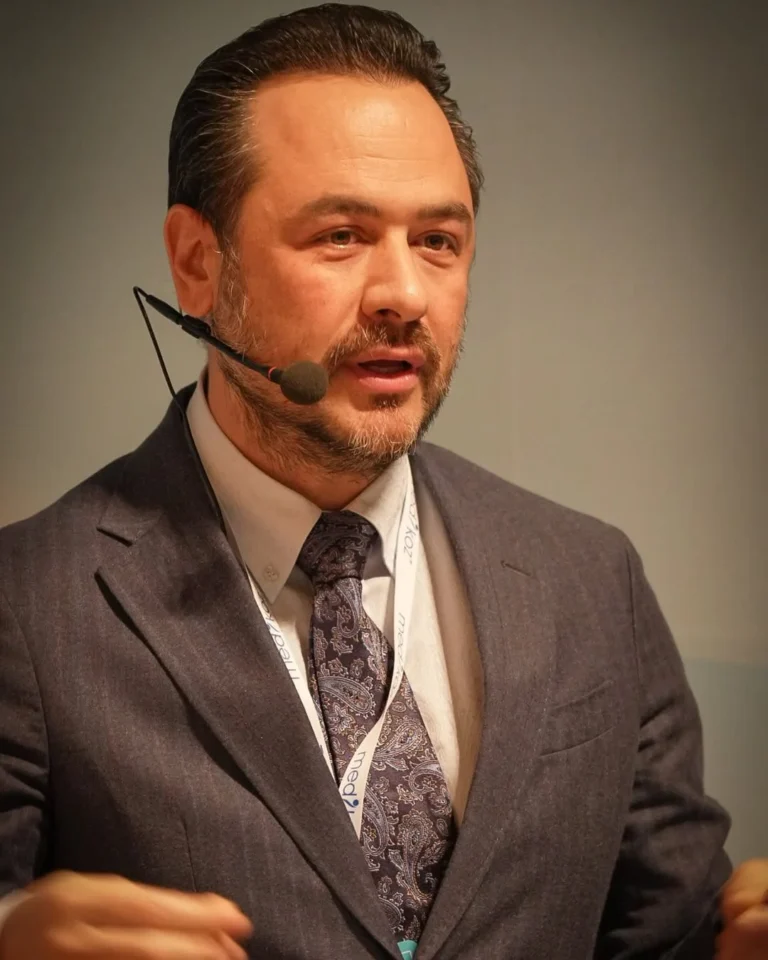
Op. Dr. Mert Demirel
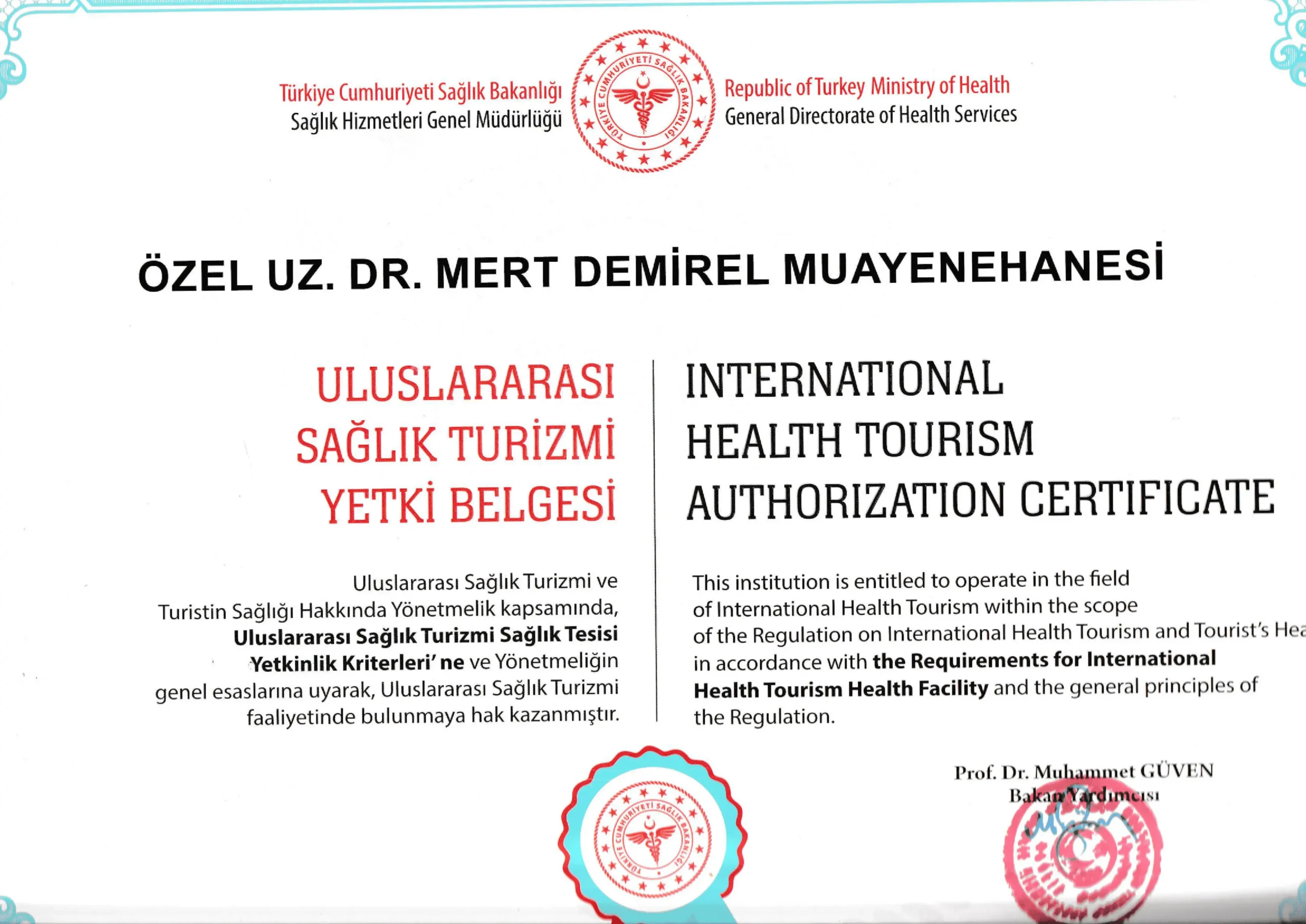
European Board Certified Plastic Surgeon (EBOPRAS)
ISAPS & ASPS Member
Istanbul, Turkey
Quick Links
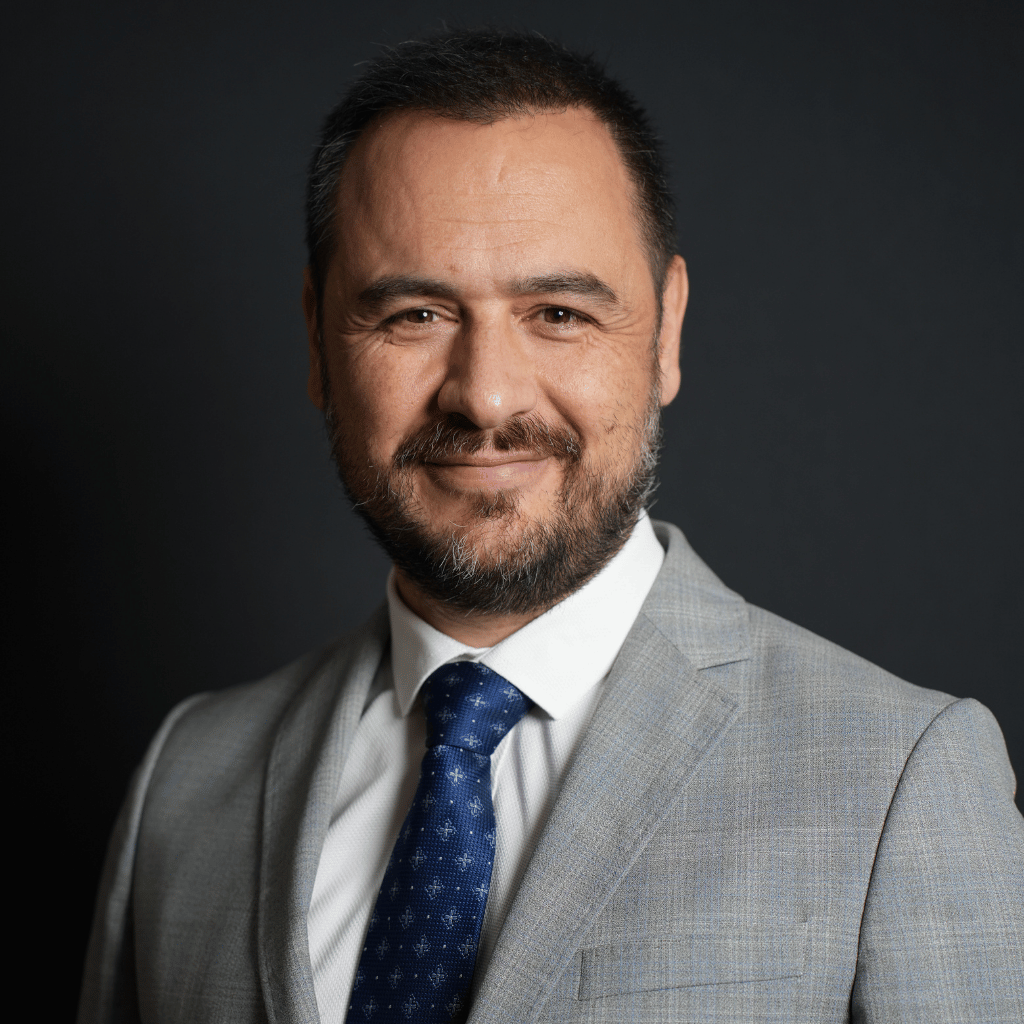
Dr. Mert Demirel
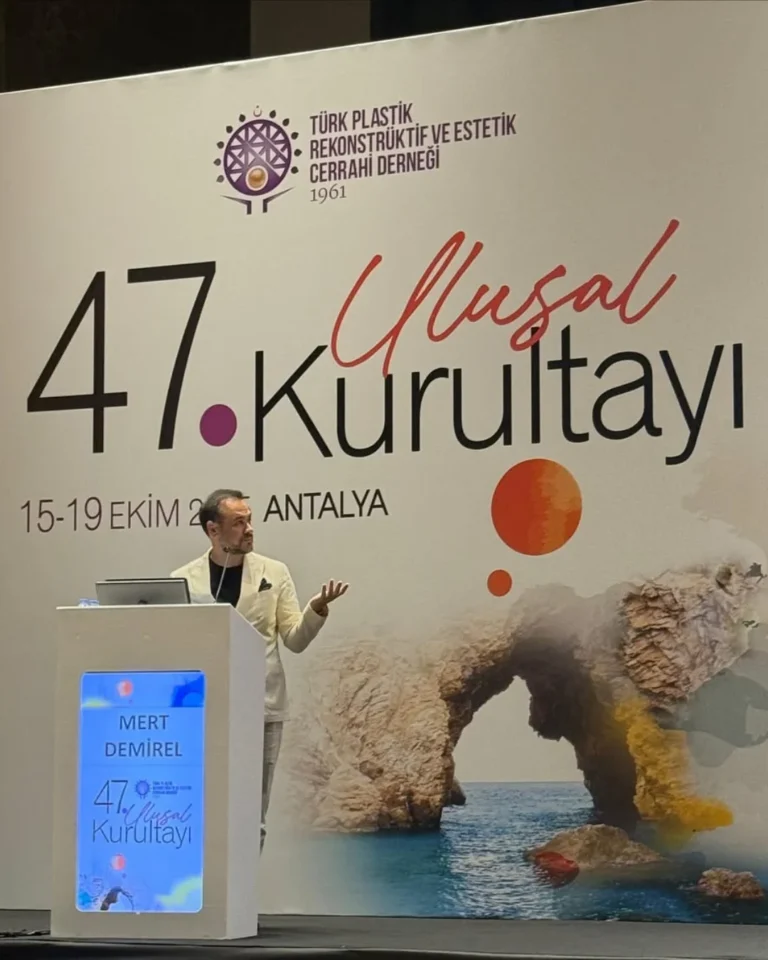
Dr. Mert Demirel is a European Board Certified Plastic, Reconstructive and Aesthetic Surgeon based in Istanbul, with over 20 years of medical experience and a strong focus on natural, balanced outcomes.
He approaches aesthetic surgery as a medically guided decision process, prioritizing anatomical suitability, long-term safety, and individualized treatment planning for each patient.