A good operation in the wrong situation is still the wrong decision. The hardest part of body contouring is not performing the surgery — it is knowing when surgery, or this particular surgery, is not what the situation actually calls for. Restraint is part of the expertise. My previous article described who tends to be …
A good operation in the wrong situation is still the wrong decision. The hardest part of body contouring is not performing the surgery — it is knowing when surgery, or this particular surgery, is not what the situation actually calls for. Restraint is part of the expertise.
My previous article described who tends to be a good candidate for a 360° approach. This one is the necessary other half of the conversation. Because for every situation where a circumferential procedure is the right tool, there are others where it quietly becomes the wrong one — not because the technique fails, but because it is being asked to do something it cannot do well, or something that did not need doing at all.
Here is when I become cautious, and why.
When the requested change is extreme relative to tissue quality
The single most important relationship in this surgery is between how much change is requested and what the tissue can actually deliver. When that ratio is unbalanced — when the ambition is large and the tissue quality is limited — the result tends to disappoint no matter how the procedure is executed.
Skin is the clearest example. If skin recoil is limited, the surface has lost its ability to shrink and redrape over a newly contoured shape. In that setting, aggressive suction does not produce a sleek result; it produces looseness and irregularity, because the volume underneath has been reduced while the envelope above stays the same size. The skin simply has nothing left to give.
So when someone with poor skin tone asks for a dramatic reduction through suction alone, my caution is not hesitation — it is mechanics. The tissue will not behave the way the request assumes it will.
When the real driver is structural, not soft tissue
Sometimes a wide waist is not made of fat at all. The dominant driver is structural waist width — the bony architecture of the ribcage and pelvis — rather than a removable soft-tissue layer.
This distinction matters enormously. If the waist is structurally broad and someone chases a narrow waist through maximal removal, the surgery does not narrow the frame; it only thins the tissue over a frame that stays exactly the same width. The predictable outcome is a scooped, hollowed look at the flank and an unbalanced hip frame, where the contour fights the underlying skeleton instead of flattering it.
The body’s bony proportions set the boundaries of what soft-tissue surgery can honestly achieve. Pushing past those boundaries does not produce a smaller waist — it produces an unnatural one.
When weight is not stable
I have written before about why stability matters, and it belongs here too as a clear reason for caution. When weight is not stable, the foundation of the plan is moving. Tightened skin can loosen, sculpted contours can shift, and the durability of the entire result becomes unpredictable.
Operating during active weight change does not just risk a lesser result — it risks undoing the very thing the surgery was meant to secure. In these cases, the more responsible plan is almost always to wait until weight has settled.
When expectations are built on guarantees
I become equally cautious when the surgery is being asked to deliver something biology cannot promise. That includes expectations built on:
- Guarantees of a specific outcome,
- Fixed measurements — a precise waist number or ratio treated as a contractual target,
- Photo matching — the goal of reproducing someone else’s body from an image.
Healing is variable. Symmetry is approximate. Tissue responds within a range, not to a specification. When a patient needs certainty that the result will hit an exact figure or replicate a particular photograph, the gap between what is promised and what biology allows becomes a setup for disappointment — even when the surgery itself goes well. A plan that depends on guarantees is built on the wrong foundation.
When the concern is mild and the footprint is large
This is the scenario I think gets discussed too rarely. Sometimes the concern is genuinely mild, while the surgical footprint required to address it is disproportionate — a long, permanent, circumferential scar and a real recovery in exchange for a small change that few would ever notice.
That trade is not always fair, and it is my responsibility to say so. The fact that a procedure can be performed does not mean it should be. When the cost — scar, recovery, risk — clearly outweighs the size of the problem, recommending against surgery is the correct clinical answer.
Not every contour variation needs surgery. Some are simply normal variation, and naming them as problems does not serve the person in front of me.
The maturity of doing less
The thread running through all of these situations is the same: a mature plan keeps options on the table that have nothing to do with operating.
A complete plan always includes the possibility of:
- Doing less — a smaller, more conservative intervention that respects tissue and frame,
- Delaying — waiting until weight, skin, or expectations are in a better place,
- Doing nothing — accepting that the trade-off is not fair and that the body does not need the operation.
The best advice I can give is sometimes the advice not to have surgery. Choosing to do less, to wait, or to do nothing is not a failure of the plan — it is often the most honest version of it.
None of this is a reason to be discouraged about the 360° approach. It is a remarkable tool when the problem is circumferential, the tissue can support the change, the weight is stable, and the goal is proportion rather than a number. The point is simply that the same judgment that makes the surgery powerful in the right hands is the judgment that recognizes when it is the wrong answer — and is willing to say so.
This article is intended for general education and does not replace an individual consultation. Whether any procedure is appropriate can only be determined through a personal assessment of your anatomy, health history, and goals.
Take the next step
If you are weighing a 360° procedure and want an honest assessment — including whether it is the right answer for you at all — the best place to start is a personal evaluation. In an online consultation we can review your anatomy, your goals, and your options together, and decide on a plan that is fair to both your tissue and your expectations.
Book your online consultation to discuss your goals and get a candid view of whether surgery is the right step for you.
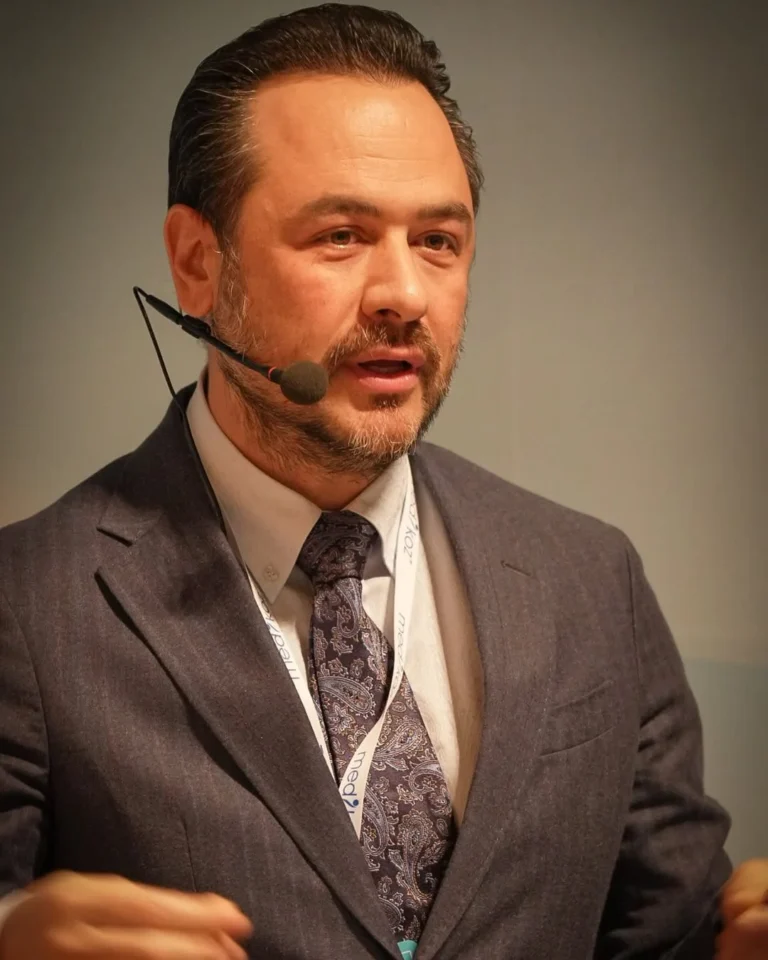
Op. Dr. Mert Demirel
European Board Certified Plastic Surgeon (EBOPRAS)
ISAPS & ASPS Member
Istanbul, Turkey
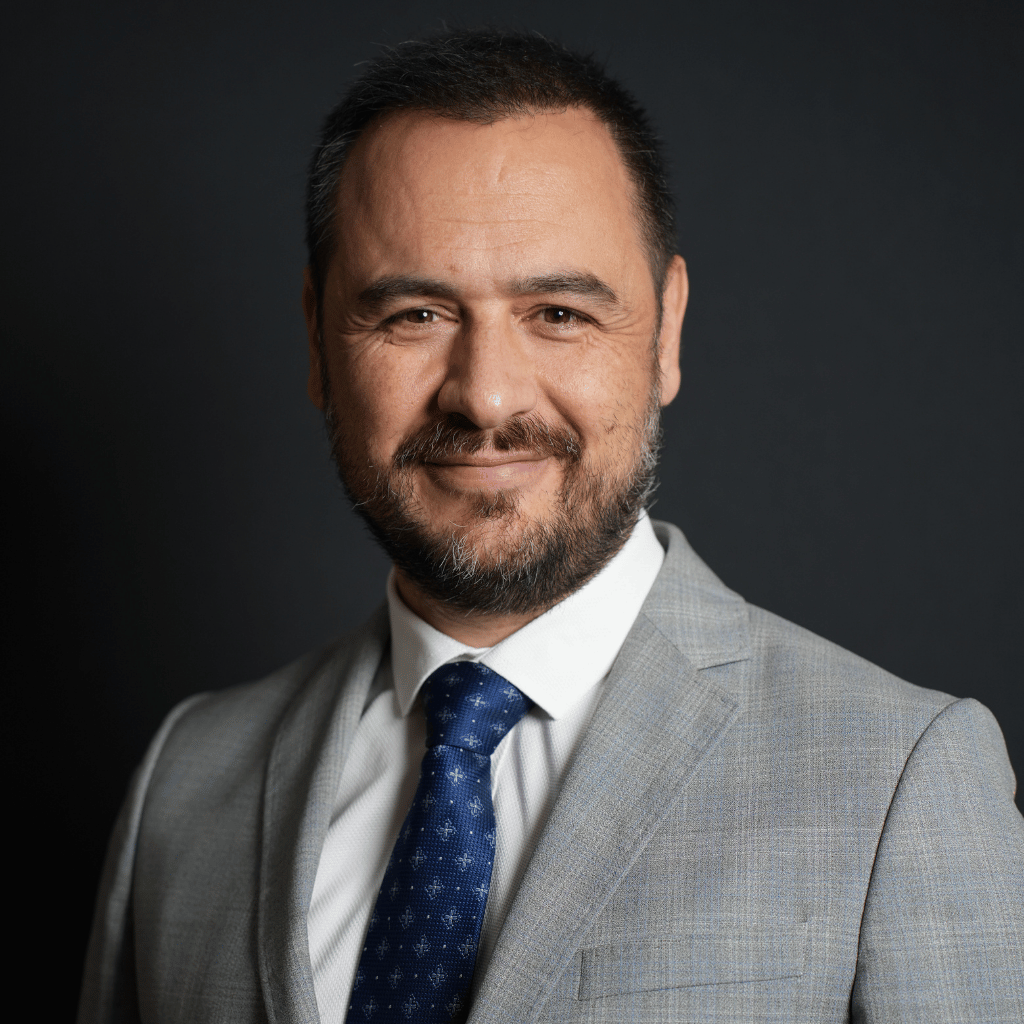
Dr. Mert Demirel
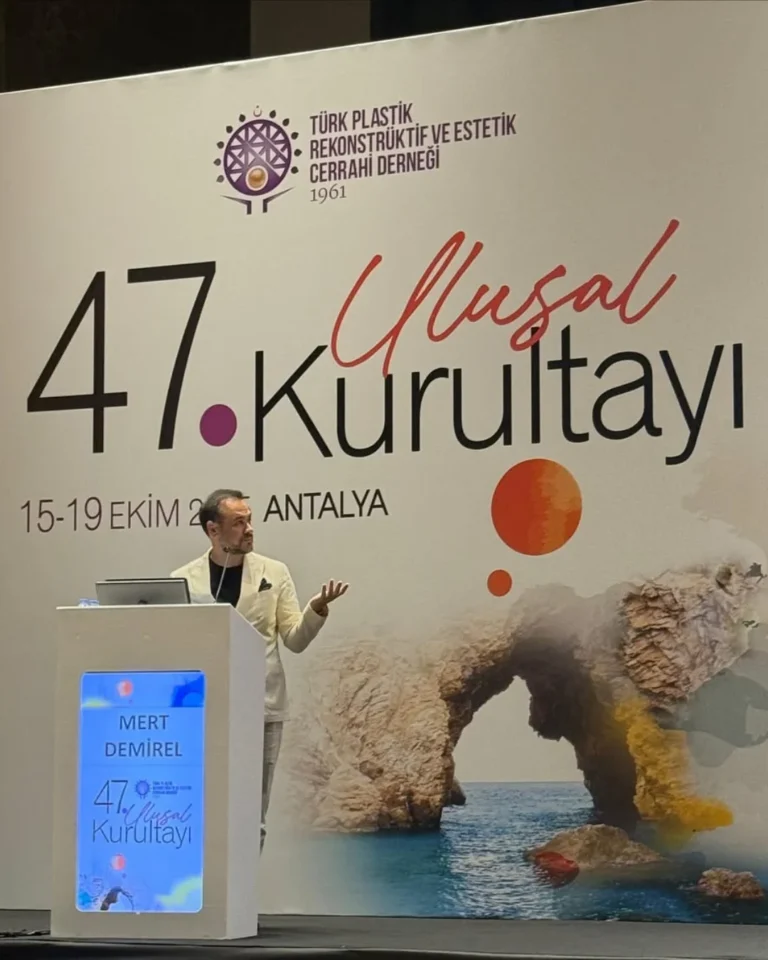
Dr. Mert Demirel is a European Board Certified Plastic, Reconstructive and Aesthetic Surgeon based in Istanbul, with over 20 years of medical experience and a strong focus on natural, balanced outcomes.
He approaches aesthetic surgery as a medically guided decision process, prioritizing anatomical suitability, long-term safety, and individualized treatment planning for each patient.