Dorsal Hump (Nose Bump): Causes, Options, and Rhinoplasty in Istanbul Introduction Few facial features draw a patient's attention as quickly as the bridge of the nose. People often notice a dorsal hump in profile photographs, in passing reflections, or after a friend or colleague casually points it out, and that single observation can quietly shape …
Dorsal Hump (Nose Bump): Causes, Options, and Rhinoplasty in Istanbul
Introduction
Few facial features draw a patient’s attention as quickly as the bridge of the nose. People often notice a dorsal hump in profile photographs, in passing reflections, or after a friend or colleague casually points it out, and that single observation can quietly shape how they see their entire face for years. In our practice, patients who come in asking about a bump on the bridge of the nose are rarely interested in dramatic change; far more often, they want a calm, anatomy-based conversation about what their nose actually is, why it looks the way it does, and what options exist. The aim of this educational article is to offer exactly that kind of measured overview — not a sales piece, not a checklist, but a thoughtful explanation of the dorsal hump, the realistic options for addressing it, and what dorsal hump rhinoplasty in Istanbul genuinely involves for international patients seeking a careful, ethical approach.
A dorsal hump is a raised area along the bridge of the nose formed by the underlying nasal bones, upper lateral cartilages, and septal cartilage. It may be bony, cartilaginous, or mixed, and it can be subtle or pronounced. Treatment is highly individualized and can range from non-surgical camouflage in carefully selected cases to a tailored hump reduction rhinoplasty when surgery is appropriate.
What Is a Dorsal Hump?
The nasal dorsum — the bridge — is built from a careful interplay of structures. The nasal bones form the upper third, the upper lateral cartilages form the middle third, and the dorsal edge of the septal cartilage runs underneath both, acting like a central beam. A dorsal hump appears when this combined skeleton projects more than the surrounding tissues, creating a visible convexity in profile. Some humps are mostly bony, sitting high on the bridge; others are mainly cartilaginous, sitting lower toward the supratip; many are a mixed pattern. The overlying skin–soft tissue envelope further modifies what the eye sees, because thicker skin can soften the appearance of a hump, while thinner skin can reveal even small irregularities. Understanding which layer is contributing to the bump is one of the first tasks of any honest anatomy-based evaluation, because the underlying anatomy directly determines what techniques are realistic for that particular nose.
Why This Topic Matters
A dorsal hump is rarely just an aesthetic issue in isolation. The nose sits at the center of the face and influences how the eyes, lips, and chin are read in relation to one another, which is why patients often describe a sense that their facial harmony feels "off" without being able to localize the reason. Beyond appearance, the same anatomy that contributes to a hump can sometimes overlap with breathing concerns — a deviated septum, narrow internal valves, or prior trauma can coexist with a prominent dorsum, and good planning requires considering both. The psychological dimension is also real and deserves respect: many patients have lived for years with self-consciousness about their profile, and equally many are perfectly content with their nose and are simply curious about their options. <u>Ethical plastic surgery guidance</u> begins with acknowledging that an anatomy-based evaluation is more reliable than trend-driven decisions, and that the right answer for one patient is often the wrong answer for another with a superficially similar nose.
Who May Be a Candidate
Good candidates for hump reduction rhinoplasty tend to share a few common characteristics. They are typically at or past skeletal maturity, in stable general health, and able to articulate what bothers them about their nose in their own words rather than pointing to a celebrity image and asking for a copy. They have realistic expectations, understand that rhinoplasty refines but does not redesign a face, and are willing to commit to the follow-up that good outcomes require. Patients who have had previous nasal trauma may still be excellent candidates, provided any functional issues are properly assessed first. Above all, suitability is a clinical judgment that is made with the patient, after a thorough conversation, not as a quick decision made from a single photograph or message.
Who May Not Be a Good Candidate
There are also situations where surgery should be delayed or, at times, advised against. Patients with active skin disease over the dorsum, uncontrolled medical conditions, or recent significant weight or hormonal changes often benefit from waiting until their physiology is more stable. Surgery is generally not the right answer for patients whose concerns are driven primarily by body dysmorphic thinking rather than by a specific anatomic feature, and a careful surgeon will recognize these patterns and decline rather than operate. Smokers who are not ready to pause are advised to reconsider timing because of the effect of nicotine on tissue healing, and patients with unrealistic expectations — for example, expecting a wholly different facial identity — are better served by an honest conversation than a scalpel. None of this is a judgment of the patient; it is a recognition that patient safety and long-term satisfaction depend on operating only when the indications are right.
Consultation and Planning Process
A careful rhinoplasty consultation in Istanbul is built around an anatomy-based evaluation rather than a sales script. The visit begins with the patient’s history — what bothers them, how long it has bothered them, any history of trauma or prior surgery, breathing patterns through each nostril, allergy and sinus issues, sleep quality, and general medical background. Photographic analysis from frontal, oblique, profile, and basal views is then used to study the dorsal aesthetic lines, the relationship of the hump to the tip, tip support, alar shape, and overall facial proportions. Examination of skin thickness is essential because thicker skin behaves very differently in healing than thinner skin, and this single factor often shapes the technique chosen. From this evaluation comes individualized surgical planning: open or closed approach, preservation of the natural dorsum versus structural reshaping, hump reduction with carefully planned osteotomies to re-close the open roof, dorsal preservation techniques in selected cases, and decisions about tip support and septal work. None of these choices is made in isolation; each is selected because it suits that particular nose, on that particular face.
What Happens During the Procedure (Explained Cautiously)
A hump reduction rhinoplasty is a precise, layered operation, and even a non-graphic description should respect that complexity. In broad terms, the surgeon gains controlled access to the nasal skeleton, reshapes the bony and cartilaginous components contributing to the hump, manages the resulting open roof through carefully planned osteotomies or dorsal preservation maneuvers, and addresses tip support, septum, and breathing as needed so that the new dorsum integrates with a balanced overall structure. Small structural decisions can meaningfully change the final result, which is why operative time is not the right measure of quality — judgment is. In carefully selected cases, non-surgical rhinoplasty for nasal bump using hyaluronic acid filler can camouflage a small hump by building up the radix or supratip, but this is a cosmetic adjustment with clear limits: it adds volume rather than reducing it, it is temporary, and it is not appropriate for every patient. Honest counseling explains where filler is reasonable and where it is not.
Recovery Timeline
Healing variability is one of the most important things to understand before any rhinoplasty. The first week typically involves a nasal splint, some bruising around the eyes, and swelling that peaks in the early days and then begins to subside. Most patients feel comfortable being seen socially after the splint comes off, though residual swelling and subtle discoloration are normal. Between weeks two and six, swelling continues to soften, the patient returns to most routine activities, and the new profile begins to feel familiar. Between three and six months, the dorsum and tip refine progressively, but the nose is not yet in its final form. The full result, especially in patients with thicker skin, can take up to twelve to eighteen months to settle, with the dorsal contour and tip definition continuing to improve gradually. Patience during this period is part of the treatment, and patients who understand this from the start tend to be more satisfied throughout the process.
Risks and Limitations
No honest discussion of rhinoplasty is complete without a frank look at risks and limitations. Possible issues include residual or recurrent irregularities, small asymmetries, changes in breathing, prolonged swelling, scar tissue, and, in a small percentage of cases, the consideration of revision surgery at a later stage. There can be unpredictable elements in how individual tissues heal, even with excellent technique. Patients are encouraged to think of rhinoplasty as a craft of improvement and harmony, not perfection — the goal is a nose that looks like it belongs on that face and breathes well, not a flawless geometric ideal. Avoiding the pursuit of perfection is one of the most reliable predictors of long-term satisfaction.
International Patients in Istanbul
Istanbul has become a meaningful destination for plastic surgery, and international patients deserve an ethical, non-promotional framework for considering it. Remote assessment may help but does not replace an in-person consultation, particularly for the nose, where palpation of the nasal bones, examination of skin thickness, and a live look at breathing all add information that photographs alone cannot provide. Travel plans should allow time for consultation, procedure, early recovery, and follow-up, and flying timing should be discussed individually based on the surgical plan, pressure considerations, and how each patient is recovering. Rigid promises about a specific number of days are best avoided, because every recovery is its own story. Safety and follow-up matter more than speed, and a patient-centered surgeon will design the journey around medical reality rather than around a packaged itinerary.
Preparation for Consultation
A productive consultation begins long before the patient walks into the clinic. A brief, organized medical history summary — current medications, supplements, allergies, prior surgeries, previous nasal trauma, and any breathing concerns — saves time and reduces the chance of missed details. Recent good-quality photos taken in even, neutral lighting from frontal, both obliques, both profiles, and basal views are extremely helpful for early communication. Most useful of all is a short written list of personal concerns, in the patient’s own words, ranked by what matters most. This converts a potentially abstract conversation into a focused, anatomy-aware discussion in which the surgeon can match observations to priorities.
Questions Patients Should Ask
A few substantive questions can clarify whether a particular surgeon and plan are right for a particular patient:
- What is your specific training and certification, and how often do you perform this type of rhinoplasty?
- Based on my anatomy, why are you recommending this technique rather than another?
- What does a realistic outcome look like for someone with my skin type and bone structure?
- How do you handle revisions if they become necessary, and what is your revision policy?
- How is follow-up managed for international patients, including remote check-ins after I travel home?
Clear, direct answers to these questions are a stronger signal of professionalism than any marketing material.
A Note on Cost
Cost is a fair concern, but it is also one of the easiest places for marketing to distort reality. Honest counseling explains that cost depends on individual factors only — anatomy, the complexity of the planned work, the techniques required, anesthesia, the surgical facility, and the structure of follow-up. Fixed online prices and dramatic discounts are usually a sign to slow down and ask more questions, not to move faster.
Final Thoughts
A dorsal hump is, in the end, a small piece of anatomy with an outsized influence on how a person sees their own profile. The right approach is rarely the fastest one. It is the one built on a careful, anatomy-based evaluation, individualized surgical planning, realistic expectations, and a relationship with a surgeon who is willing to say no when the indications are not right and yes only when they are. Whether the path is observation, non-surgical camouflage in carefully selected cases, or a tailored hump reduction rhinoplasty in Istanbul, the underlying principle is the same: the nose should look like it belongs on the face it lives on, breathe well, and serve the patient for the long term.
This content is for general educational purposes and does not replace an in-person consultation.
Op. Dr. Mert Demirel
European Board Certified Plastic Surgeon (EBOPRAS)
ISAPS & ASPS Member
Istanbul, Turkey
Quick Links
– Consultation with Dr. Mert Demirel
– Plastic Surgery in Istanbul
– Patient Safety and Surgical Planning
– International Patient Journey
– Recovery After Plastic Surgery
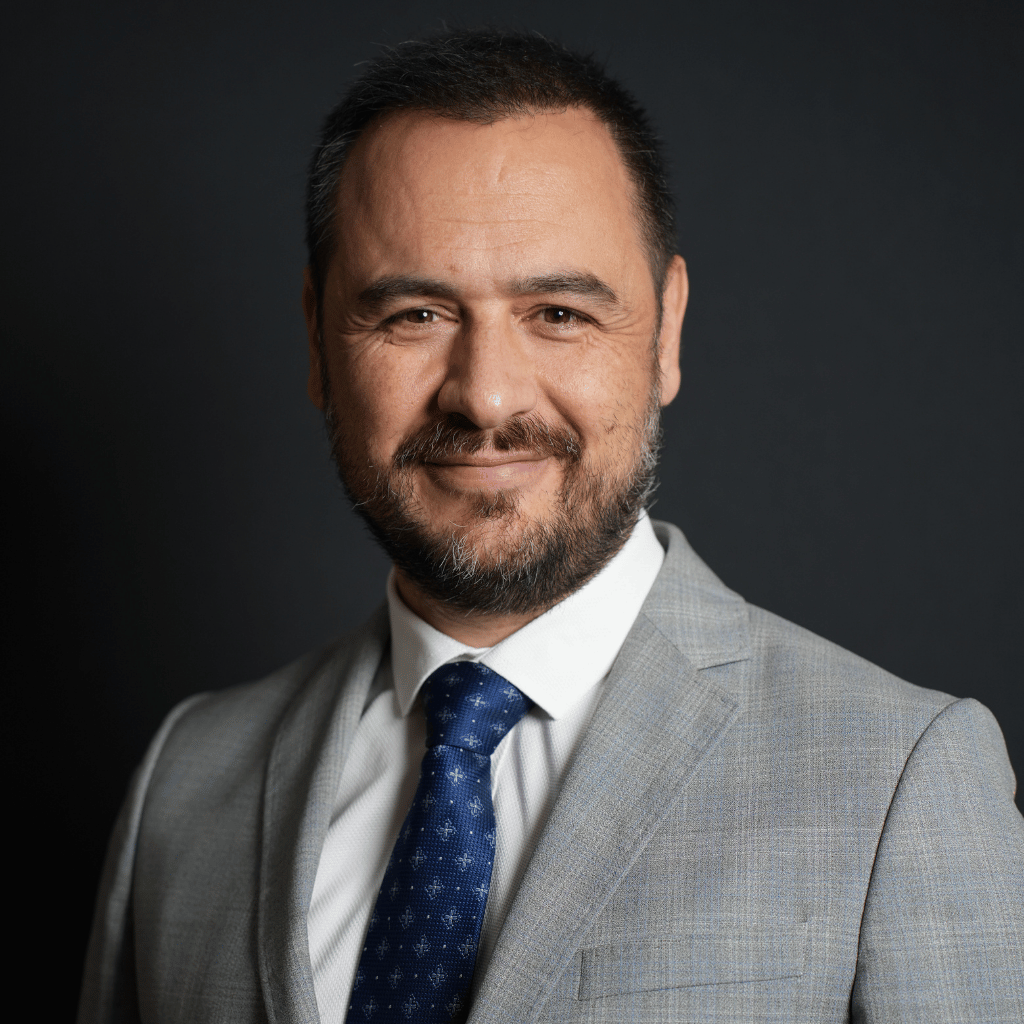
Dr. Mert Demirel
Dr. Mert Demirel is a European Board Certified Plastic, Reconstructive and Aesthetic Surgeon based in Istanbul, with over 20 years of medical experience and a strong focus on natural, balanced outcomes.
He approaches aesthetic surgery as a medically guided decision process, prioritizing anatomical suitability, long-term safety, and individualized treatment planning for each patient.