Mommy Makeover vs Tummy Tuck in Istanbul: What to Know Many people who have experienced pregnancy, weight changes, or simply the natural aging of skin and soft tissues notice that the abdomen and breasts can change in ways that diet and exercise alone may not fully address. In this context, two terms often come up …

Mommy Makeover vs Tummy Tuck in Istanbul: What to Know
Many people who have experienced pregnancy, weight changes, or simply the natural aging of skin and soft tissues notice that the abdomen and breasts can change in ways that diet and exercise alone may not fully address. In this context, two terms often come up together: tummy tuck (abdominoplasty) and mommy makeover. While they are related, they are not the same procedure. Understanding what each option can and cannot do—and how to choose between them—requires a calm, medically grounded look at anatomy, safety, and individualized planning.
A tummy tuck (abdominoplasty) focuses on the abdomen—tightening the inner supportive layer and removing excess skin when appropriate—while a mommy makeover is a customized combination of procedures that may include a tummy tuck plus breast surgery and sometimes liposuction. The right choice depends on anatomy, goals, and safety considerations.
Understanding the terms: What is a tummy tuck, and what is a mommy makeover?
A tummy tuck, medically called abdominoplasty, is a procedure designed to address changes in the abdominal area that can occur after pregnancy, significant weight loss, or aging. In a properly selected patient, a tummy tuck can help improve the contour of the abdomen by removing excess skin and, when appropriate, tightening the inner supportive layer over the abdominal muscles (often discussed in the context of diastasis recti). It is important to clarify that a tummy tuck is not a weight-loss procedure, and it does not replace healthy lifestyle habits. Instead, it is typically considered when the main concern is loose skin, lower abdominal fullness, and/or separation of the abdominal wall support.
A mommy makeover is not one single operation with one fixed technique. Rather, it is a customizable surgical plan that combines two or more procedures to address common post-pregnancy concerns—most commonly involving the abdomen and breasts, and sometimes other areas. In many cases, a mommy makeover includes a tummy tuck, but it may also include breast lift (mastopexy), breast augmentation (implants), breast reduction, and/or liposuction in selected areas. Because it is a combination plan, a mommy makeover is inherently more variable and requires thoughtful discussion of surgical time, recovery logistics, and overall safety.
A practical way to remember the difference is this: a tummy tuck is one procedure, while a mommy makeover is a tailored combination, and a tummy tuck can be one component of that combination. Your anatomy and your priorities determine whether a focused abdominal approach is enough or whether a broader plan makes sense.
Why this decision matters (and why it should be safety-first)
The choice between a mommy makeover and a tummy tuck is not only about aesthetics. For many patients, the abdomen can change in ways that affect comfort, clothing fit, and confidence, and breast changes can influence posture, self-image, and practical daily life. Some people feel that the abdominal contour is their main concern; others feel that the breasts and abdomen changed together and want a coordinated solution.
What makes this decision especially important is that a combined plan (a mommy makeover) can involve longer operative time, more extensive tissue work, and more complex recovery needs compared with a single procedure. That does not automatically mean it is unsafe—it means the plan must be individualized. In an ethical surgical approach, the key question is not “How much can we do at once?” but rather: What is the safest way to achieve realistic goals for this specific patient? This is where anatomy-based evaluation, risk assessment, and a clear discussion of recovery support become essential.
Who may be a good candidate
Candidacy is never determined by a single factor, and it should not be reduced to a checklist. A careful consultation looks at overall health, medical history, skin quality, scar considerations, lifestyle, and the ability to follow postoperative instructions. In general, a patient may be a good candidate for a tummy tuck if the primary concerns are localized to the abdomen—such as excess skin, a lower abdominal “apron,” and/or abdominal wall laxity—and if the patient is in good health with stable weight.
A patient may be a good candidate for a mommy makeover when there are meaningful concerns in more than one area (commonly abdomen + breasts), and when combining procedures is considered medically reasonable based on health status and operative planning. This often includes individuals who have completed pregnancy and breastfeeding and feel their body has stabilized. If future pregnancies are planned, it does not automatically exclude surgery, but it is important to discuss how pregnancy can affect long-term results. From a practical standpoint, many patients choose to wait until childbearing is complete to better preserve outcomes.
Across both approaches, stable weight is a significant factor. Weight fluctuations can affect skin quality and contour, and they can also influence the long-term appearance of scars and the durability of results. Just as importantly, a patient should have a clear understanding that surgery improves contour and proportion but does not create a “perfect” body. Realistic expectations are a key part of candidacy.
Who may not be a good candidate (or when a staged plan may be safer)
Not everyone is a good candidate for combined surgery, and sometimes the most responsible plan is to postpone surgery or stage procedures rather than combine them. Uncontrolled medical conditions—such as poorly controlled diabetes, significant heart or lung disease, or certain clotting disorders—can increase risks related to anesthesia and healing. Smoking and nicotine exposure can also significantly raise the risk of wound healing problems. These factors do not always mean surgery is impossible, but they do require a frank, safety-centered discussion.
There are also situations where anatomy and goals suggest that doing “everything at once” may not be the best option. For example, if significant work is needed in multiple regions, or if the anticipated operative time becomes too long, the safer approach may be to stage procedures. A staged plan can reduce surgical stress on the body and can make recovery more manageable. Additionally, if weight is still changing or if goals are not well defined, it may be more appropriate to focus first on lifestyle stabilization and then reassess.
Finally, it is important to address unrealistic expectations. If a patient is seeking guaranteed outcomes, a “perfect” result, or a fixed timeline that does not allow for healing variability, that is a sign that more education and careful planning are needed before proceeding.
Consultation and planning: How the decision is individualized
A high-quality consultation is where the difference between a generic plan and an individualized plan becomes clear. For the abdomen, assessment includes skin elasticity, the distribution of excess tissue, the location of stretch marks, and the degree of abdominal wall laxity. If diastasis recti is suspected, this is evaluated as part of the planning process. In selected patients, discussion may also include whether symptoms suggest a possible hernia and whether further evaluation is needed.
For the breasts, planning depends on starting anatomy and goals. Some patients primarily need lifting due to ptosis (sagging), while others want volume restoration, and some want reduction for comfort and proportion. The presence of asymmetry, skin quality, and scar preferences are all discussed. Importantly, breast and abdominal planning are connected in a mommy makeover because decisions about posture, proportions, and overall silhouette influence how balanced the final result can appear.
This is also the time to talk clearly about scar placement and scar maturation. Scars are an inevitable part of most contouring surgeries, and while careful technique aims for well-placed scars, scar quality varies among individuals. A responsible surgical plan includes a realistic discussion of what scarring may look like over time and how it may be managed.
What happens during the procedure (high-level, cautious explanation)
A tummy tuck generally involves removing excess abdominal skin and improving the contour of the abdominal region. In many cases, the inner supportive layer over the abdominal muscles may be tightened if it is lax. The specific technique—such as the extent of skin removal, the need for muscle support tightening, and whether a limited or full approach is appropriate—depends on anatomy and goals.
A mommy makeover may include a tummy tuck plus one or more breast procedures and, in selected cases, liposuction. It is essential to understand that liposuction is a contouring tool, not a weight-loss method, and it must be planned carefully in relation to skin quality. When procedures are combined, the surgical plan is designed to keep safety at the center—balancing operative time, positioning, fluid management, and postoperative comfort. The exact combination is individualized, and in some cases, the best plan is not to combine everything in one session.
Because surgical details vary and should be personalized, the most reliable way to understand what will happen in your own procedure is through an in-person consultation and a clear written surgical plan.
Recovery timeline: What patients should realistically expect
Recovery is one of the most important factors when deciding between a tummy tuck and a mommy makeover. A tummy tuck often involves a period where mobility feels limited, especially in the first days, and patients are typically encouraged to walk gently early to support circulation. Discomfort, swelling, and fatigue are expected to varying degrees, and the abdomen may feel tight as the body adjusts. Returning to desk work may be possible for some patients after a couple of weeks, but this varies widely depending on the individual and the nature of the work.
A mommy makeover recovery can be more complex because multiple areas may be healing simultaneously. For example, breast discomfort and abdominal tightness can overlap, and daily activities such as standing upright, showering, or lifting may be more challenging initially. This is where planning matters: recovery support at home, assistance with childcare, and realistic expectations about energy levels are essential. Exercise and heavier activity are typically reintroduced gradually under surgeon guidance, and the timeline is individualized.
It is important to approach recovery with the mindset that healing is not linear. Swelling, firmness, and changes in sensation can fluctuate. The goal is not speed—it is safe healing and a stable long-term outcome. Your surgeon’s postoperative instructions should be treated as your primary guidance, because they are tailored to your technique and your body’s response.
Risks and limitations: A balanced, honest overview
All surgery carries risk, and ethical decision-making requires that risks are discussed clearly and without minimization. General surgical and anesthesia-related risks can include bleeding, infection, and adverse reactions. Procedure-specific risks can include fluid collections (such as seroma), wound healing issues, scarring concerns, changes in sensation, asymmetry, and the possibility of needing revision surgery in some cases.
More serious but less common risks can include blood clots, which is why mobility guidance, risk assessment, and individualized prevention strategies matter. Risk is influenced by many factors: overall health, smoking status, operative time, the extent of tissue work, and postoperative compliance. A combined procedure may increase certain risks simply because it can be longer and more extensive, which is why candidacy and staging are important topics.
Limitations also deserve attention. A tummy tuck can improve the abdomen significantly in appropriately selected patients, but it does not guarantee a specific waistline shape, and it does not prevent future body changes. A mommy makeover can create a more comprehensive transformation, but it also comes with greater responsibility in planning and recovery. The most sustainable results come from realistic expectations, good surgical technique, and careful follow-up.
International patients considering Istanbul: Ethical travel guidance
Istanbul is a major destination for plastic surgery, and many international patients explore their options here. If you are traveling for a tummy tuck or a mommy makeover, planning should prioritize safety and follow-up rather than speed. Remote assessment may help but does not replace in-person consultation. Photos and video calls can provide preliminary guidance, but final surgical decisions must be based on a thorough in-person evaluation.
Travel planning should allow adequate time for consultation, procedure, early recovery, and follow-up. It is not responsible to promise a rigid stay duration for every patient, because healing varies and postoperative needs can differ. Flying should be discussed individually. Your medical history, the extent of surgery, and your recovery progress all matter. Ethical planning includes building flexibility into your schedule so that follow-up is not rushed.
In a responsible international patient journey, communication should be clear: who will you contact if you have concerns, what follow-up visits are expected, and what support will you have once you return home? These details are not “extras”—they are part of safe surgical care.
How to prepare for your consultation
Preparing for consultation helps you get a clearer, more personalized plan. A good starting point is to bring (or be ready to discuss) your medical history, prior surgeries, current medications, and any supplements you take. If you have a history of clotting issues, anemia, or significant medical conditions, mention this early. If your consultation begins remotely, be prepared to share clear photos as requested, understanding that remote review is only preliminary.
It also helps to reflect on your priorities: is your main concern loose abdominal skin, abdominal wall laxity, breast volume loss, breast sagging, or a combination? Being specific about what bothers you most—and what you hope to change—supports a more targeted surgical plan. It is equally important to be honest about lifestyle factors such as nicotine exposure, because this can significantly affect safety and healing.
Questions patients should ask
The best consultations are two-way conversations. Consider asking questions that reflect both outcome goals and patient safety. For example, ask what procedure is most appropriate for your anatomy and why, and whether your surgeon recommends a combined or staged approach. Ask what scars to expect and where they are typically placed, and what factors influence scar quality.
You can also ask about the recovery plan: what support you may need at home, when you can return to work, and how activity will be progressed. Ask about risk reduction strategies, including how blood clot risk is assessed and managed. If you are an international patient, ask about follow-up timing, how communication works after you return home, and what to do if you have concerns.
These questions are not meant to create anxiety—they are meant to help you make a well-informed decision and to ensure that your plan is medically sound.
Final thoughts
A tummy tuck and a mommy makeover can both be appropriate options, but they serve different scopes. A tummy tuck is focused on the abdomen, while a mommy makeover is a tailored combination that may include abdominal and breast procedures and sometimes additional contouring. The safest and most satisfying outcomes come from individualized surgical planning, realistic expectations, and a recovery plan that respects healing variability.
If you are considering surgery in Istanbul, approach the process with a safety-first mindset: prioritize thorough evaluation, clear communication, and adequate time for recovery and follow-up. A careful consultation is the best place to clarify which option aligns with your anatomy, goals, and medical considerations.
This content is for general educational purposes and does not replace an in-person consultation.
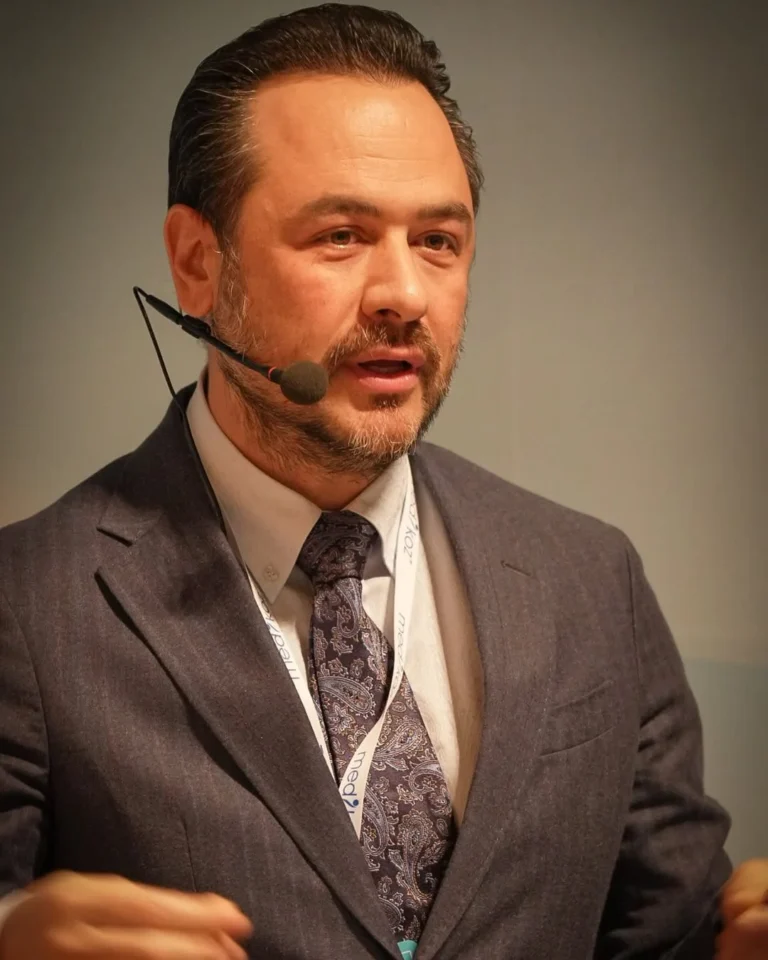
Op. Dr. Mert Demirel
European Board Certified Plastic Surgeon (EBOPRAS)
ISAPS & ASPS Member
Istanbul, Turkey
Quick Links
– Consultation with Dr. Mert Demirel
– Plastic Surgery in Istanbul
– Patient Safety and Surgical Planning
– International Patient Journey
– Recovery After Plastic Surgery
[tag mommy makeover, tummy tuck, abdominoplasty, plastic surgery Istanbul, recovery timeline, surgical planning, international patients]
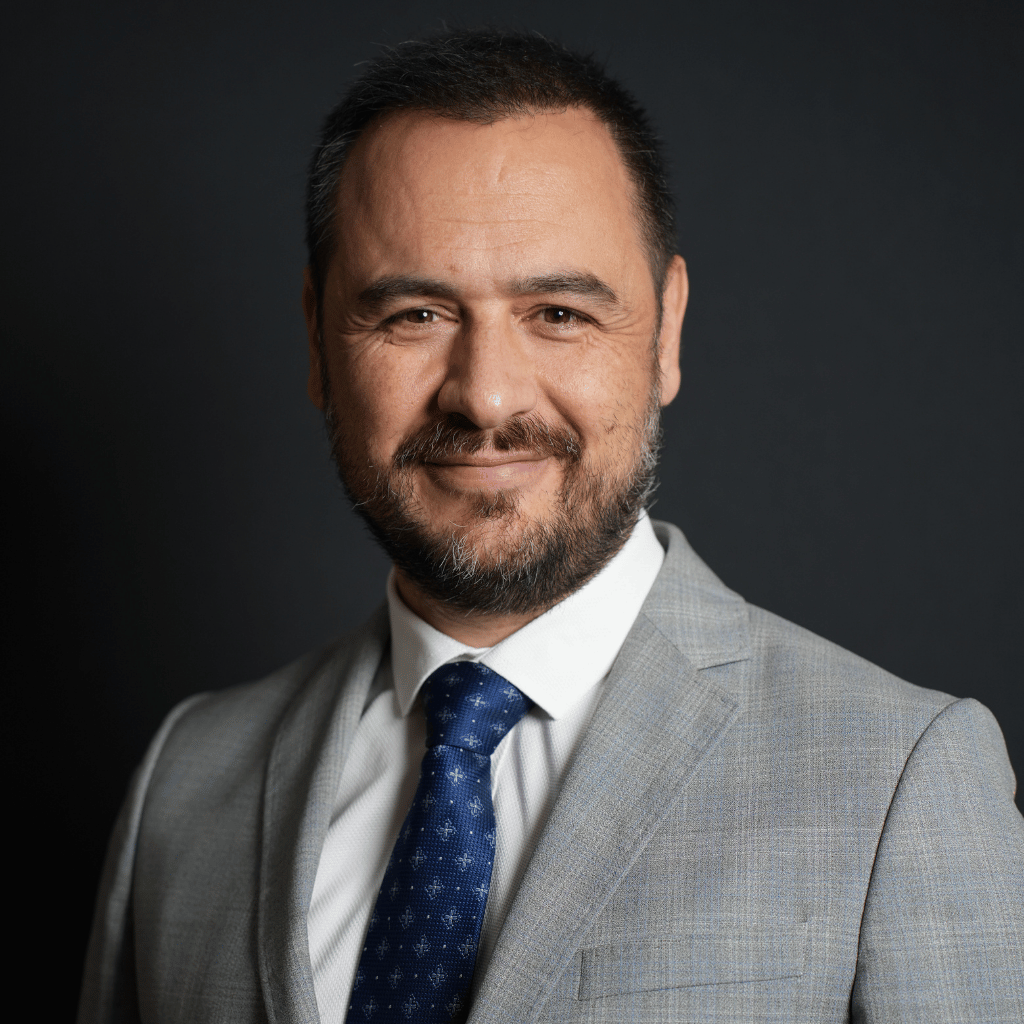
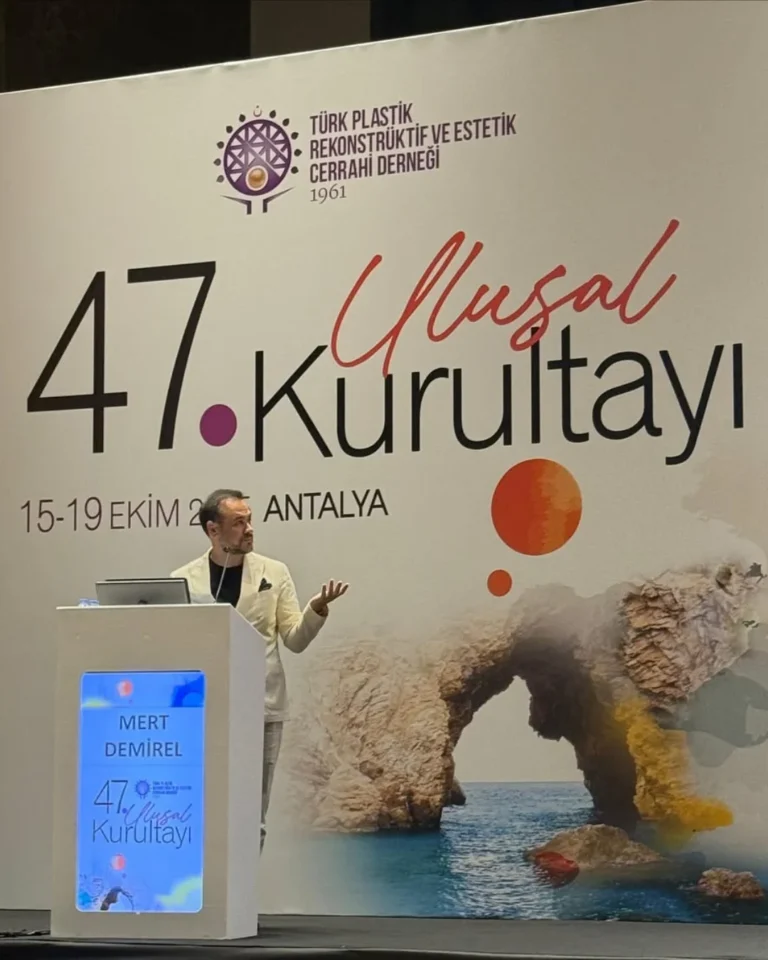
Dr. Mert Demirel
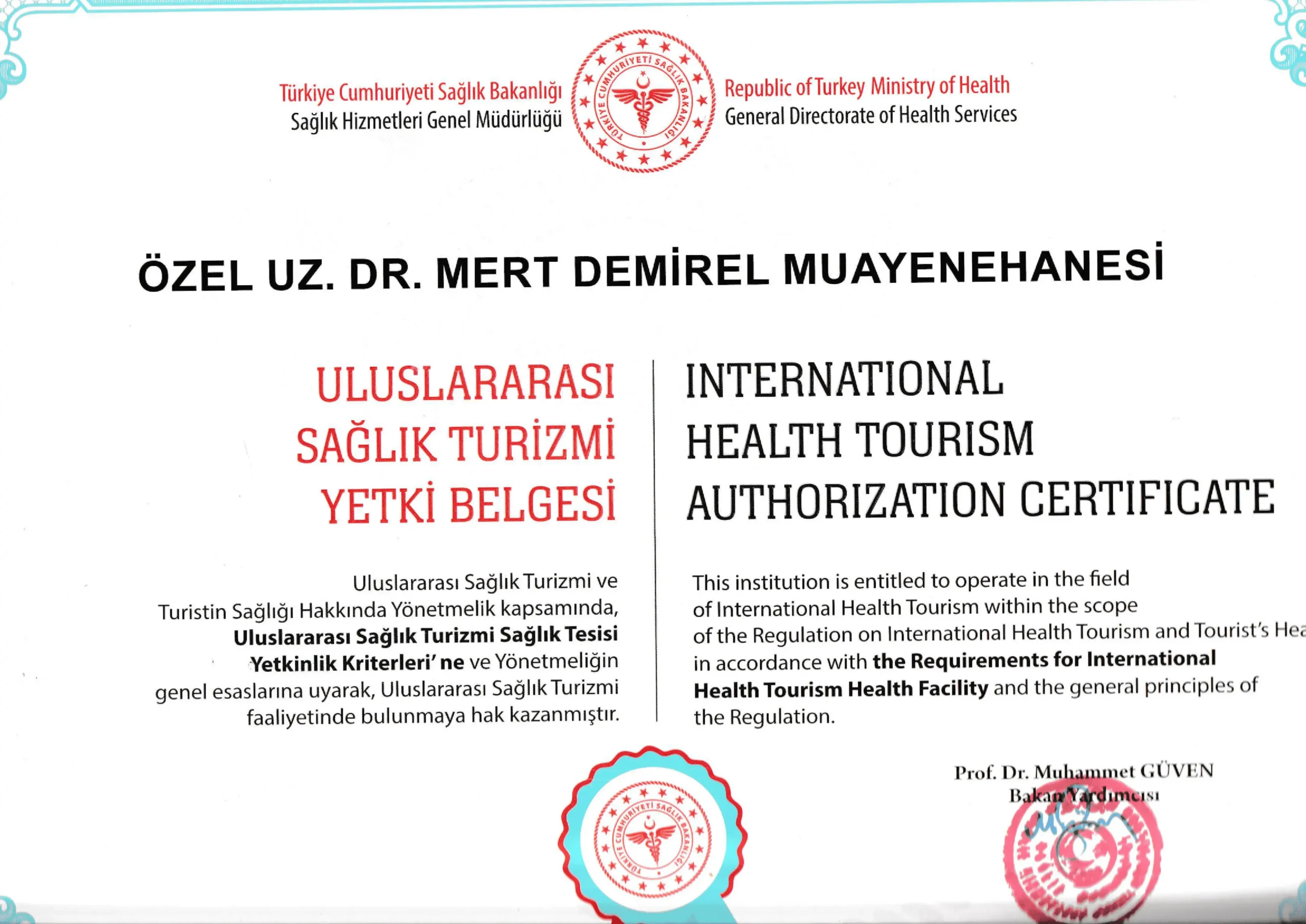
Dr. Mert Demirel is a European Board Certified Plastic, Reconstructive and Aesthetic Surgeon based in Istanbul, with over 20 years of medical experience and a strong focus on natural, balanced outcomes.
He approaches aesthetic surgery as a medically guided decision process, prioritizing anatomical suitability, long-term safety, and individualized treatment planning for each patient.