Scarring is one of the first questions patients ask when we discuss accessory breast tissue removal. This is the right question to ask, because the underarm is not only an aesthetic area. It is also an area that moves, sweats, and heals under friction. The honest answer is simple: yes, there can be a scar. …
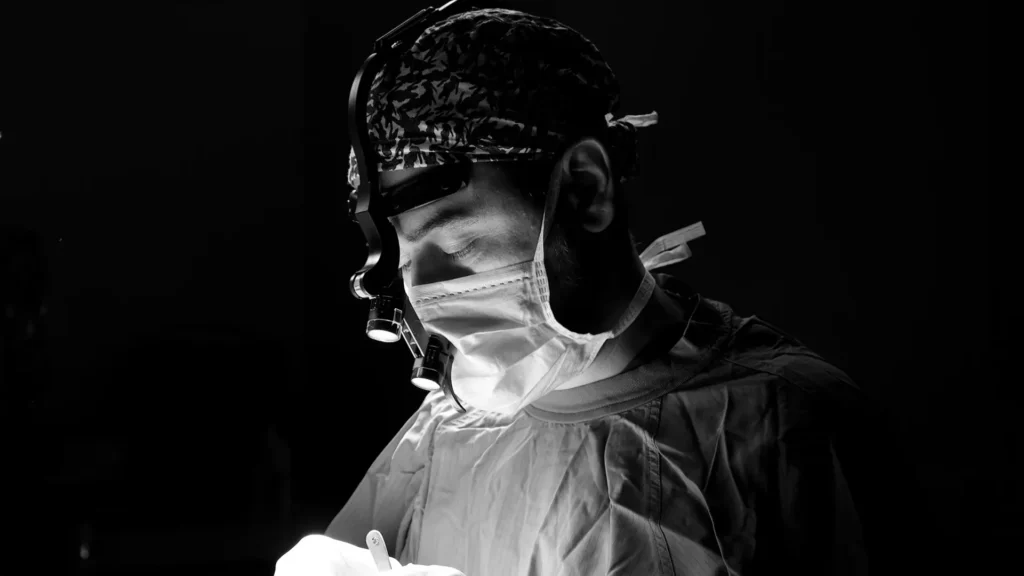
Scarring is one of the first questions patients ask when we discuss accessory breast tissue removal. This is the right question to ask, because the underarm is not only an aesthetic area. It is also an area that moves, sweats, and heals under friction.
The honest answer is simple: yes, there can be a scar. The more important question is not whether a scar exists, but how the operation is planned so that the scar is as controlled, discreet, and acceptable as possible.
The method determines the scar
Accessory breast tissue is not the same in every patient. In some people, the fullness is mainly fatty. In others, there is a firmer glandular component. Sometimes there is also loose or stretched skin. The scar plan changes according to this anatomy.
If the problem is mainly fatty tissue, liposuction may be enough. In that case, the entry points are very small and are usually placed in or near natural underarm folds. These small marks often become very subtle with time.
If there is true glandular tissue or excess skin, liposuction alone may not create a clean result. The tissue may need to be removed directly. When excision is needed, a longer incision is part of the operation. I prefer to discuss this clearly before surgery rather than promise a “scarless” result.
Where is the scar usually placed?
When direct excision is necessary, the incision is usually planned inside the natural axillary crease. This is the fold of the underarm where a scar can be better hidden when the arm is resting by the body.
The exact placement depends on the position of the tissue, the amount of skin that must be removed, and how the arm moves. The goal is not simply to make the smallest cut. The goal is to place the incision where the final scar has the best chance of sitting quietly in daily life.
Why underarm scars can be unpredictable
The axilla is a difficult healing area. It is warm, mobile, and exposed to moisture and friction. Every arm movement places some tension on the healing line. For this reason, scars in this area can mature differently from patient to patient.
Some patients heal with a fine, pale line. Others may develop a darker, thicker, or more visible scar, especially if they have a biological tendency toward active scarring. Skin type, genetics, wound tension, aftercare, and the amount of tissue removed all matter.
This is why scar planning must be realistic. Good surgery reduces risk; it does not erase biology.
What I focus on during surgery
My priority is to balance contour improvement with responsible scar placement. That means:
- Choosing liposuction only when it is truly enough.
- Using excision when glandular tissue or excess skin makes it necessary.
- Placing the incision in the most natural underarm fold possible.
- Reducing closure tension as much as the anatomy allows.
- Explaining the scar trade-off before the operation, not after it.
A well-planned scar is not an accident. It is part of the design.
The real decision
For many patients, accessory breast tissue causes visible bulging, discomfort with clothing, irritation, or self-consciousness when wearing sleeveless outfits. Surgery can improve these concerns, but it must be understood as an exchange: improved contour in return for some degree of scar.
The mature question is whether that exchange makes sense for you.
If the fullness is mild and the scar concern is very high, surgery may not be the right decision. If the bulge is significant and affects comfort, clothing, or confidence, a carefully planned underarm scar may be a reasonable and worthwhile trade-off.
In my practice, I do not promise invisible surgery. I plan carefully, place scars thoughtfully, and explain the realistic range of healing so the patient can make a clear decision.
Op. Dr. Mert Demirel
European Board Certified Plastic Surgeon (EBOPRAS)
ISAPS & ASPS Member
Istanbul, Turkey
Sent via Notion Automations
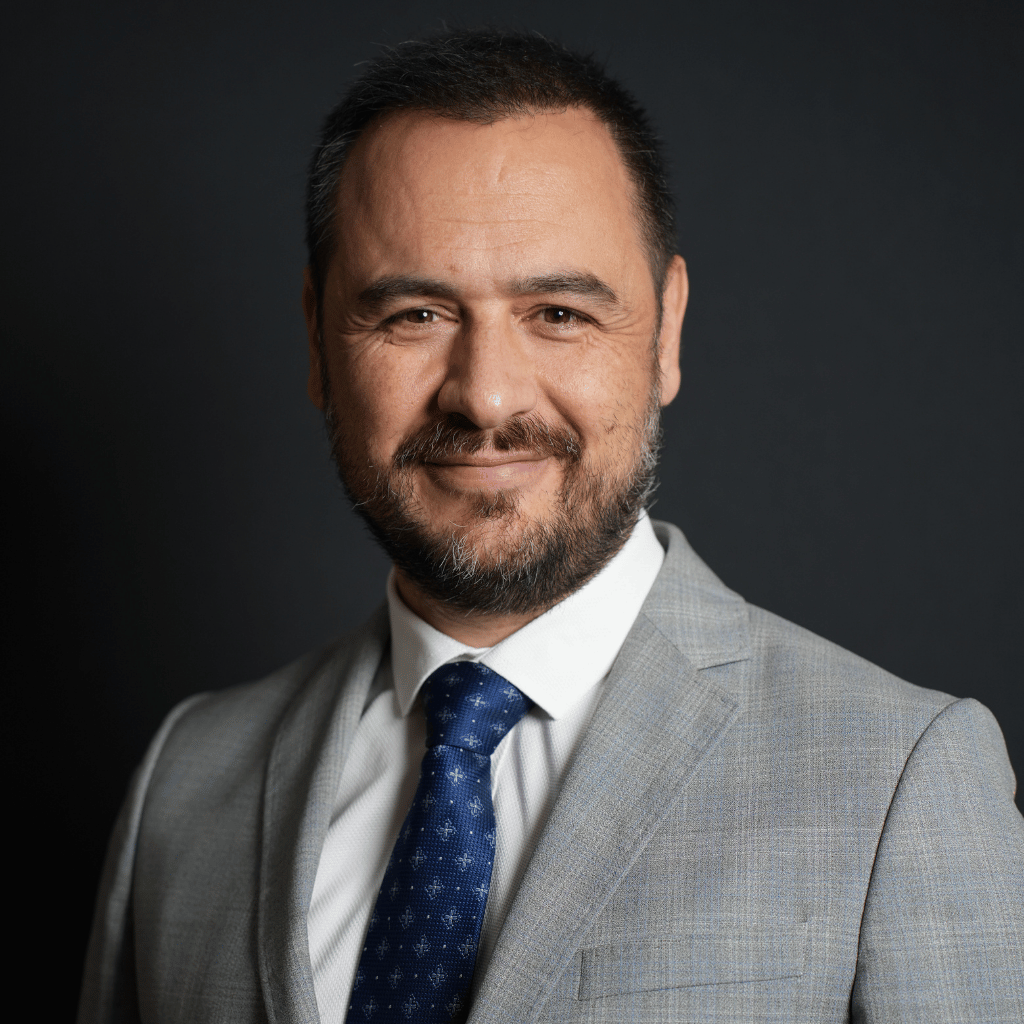
Dr. Mert Demirel
Dr. Mert Demirel is a European Board Certified Plastic, Reconstructive and Aesthetic Surgeon based in Istanbul, with over 20 years of medical experience and a strong focus on natural, balanced outcomes.
He approaches aesthetic surgery as a medically guided decision process, prioritizing anatomical suitability, long-term safety, and individualized treatment planning for each patient.