This is the question I wish more patients asked before they came in with a fixed idea about what their nose needs. The answer, in most consultations, turns out to be more interesting than the original complaint. Nostrils that look wide are not always nostrils that are wide. The eye reads the nose as a …
This is the question I wish more patients asked before they came in with a fixed idea about what their nose needs. The answer, in most consultations, turns out to be more interesting than the original complaint. Nostrils that look wide are not always nostrils that are wide. The eye reads the nose as a whole, and a wide-looking base can be produced by at least three different anatomical configurations — only one of which responds to alar base reduction.
Separating real width from visual width is one of the quieter skills in nasal assessment. It is also one of the most important, because operating on the wrong cause is how perfectly reasonable patients end up with results they do not love.
What "truly wide" actually means
There is a rough anatomical benchmark that helps anchor the conversation. On a front-facing view, the alar base is usually considered proportionate when the width of the nostrils falls within the vertical lines dropped from the medial canthi of the eyes. When the alae flare beyond those lines, the base is measurably wider than the surrounding facial architecture expects.
This is not a rigid rule. Faces come in different widths, ethnicities bring different norms, and "normal" varies. But it gives the examination a starting point. A nose whose base genuinely exceeds the intercanthal width is a candidate for base reduction. A nose whose base falls within or at that line is usually not — even if the patient feels otherwise.
The three patterns that look the same from a distance
Patients who come in convinced their nostrils are wide usually fall into one of three groups. The distinction matters because the right operation is different for each.
Pattern 1: Truly wide alar base.
The nostrils flare genuinely beyond the surrounding facial lines. The tip is otherwise reasonable. The dorsum is proportionate. The patient pinches the alae inward with their fingers and the nose instantly looks more balanced. This is the classic candidate for alar base reduction.
Pattern 2: A bulbous or wide tip making the base look wide.
The alar base, measured objectively, is not particularly wide. But the tip above it is bulbous, ill-defined, or poorly projected. The eye reads the whole lower third of the nose as wide, and the patient localises the complaint to the nostrils because that is where the width is most visible. Narrowing the base in this patient does not solve the problem — it unbalances it, leaving a narrowed base under a tip that still reads as wide.
Pattern 3: A low or broad dorsum making the base look wide by contrast.
The upper nose is low and broad. The base is actually within a reasonable range, but the proportion between top and bottom is inverted — the nose reads as a pyramid base sitting under a flat top. Reducing the base without addressing the dorsum often makes the overall nose look even more asymmetric, because the only balanced part has been narrowed.
There are mixed versions of these patterns too. A patient may have a mildly wide base and a bulbous tip and a low dorsum. The honest plan in that case is not "alar reduction only" — it is a staged conversation about what the dominant visual driver is, and whether a larger operation might produce a better-proportioned nose than a small one.
The tests I run in the consultation
I can usually tell which pattern a patient falls into within a few minutes of careful examination. Some of the techniques:
- The finger-pinch test. I gently compress the alae inward toward the midline and ask the patient to look in the mirror. If pinching the base gives them the appearance they are hoping for, the base is the problem and reduction can deliver it. If pinching the base does not change their perception much — or worse, makes the tip above look more disproportionate — the base is not the dominant issue.
- The tip-cover test. I cover the tip with my fingertip, leaving only the base and the dorsum visible. If the remaining nose looks fine, the tip is the driver and the base is innocent. If the remaining base still reads as wide, the base is contributing meaningfully.
- Measuring against the intercanthal line. A frontal photograph with vertical reference lines from the medial canthi is often more informative than any verbal description. Patients can see for themselves where their base sits.
- Asking about profile concerns. If the patient also describes a dorsal hump, a drooping tip, or a generally large-feeling nose on profile, they are describing a full rhinoplasty conversation, not an alar reduction one.
- Comparing left and right. Asymmetric nostrils almost always signal a structural issue upstream — deviated septum, asymmetric tip cartilages, prior injury. An isolated alar reduction in an asymmetric nose usually highlights the asymmetry rather than resolving it.
None of this requires sophisticated equipment. It requires careful observation and the willingness to slow the conversation down before proceeding.
Why the mirror lies in specific ways
Patients often arrive with strong convictions formed in specific lighting, specific angles, and specific photographs. A few quiet truths about how nasal self-perception goes wrong:
- Down-tilted phone cameras exaggerate alar width. The nose is closer to the lens than the rest of the face, and the nostrils are at the most prominent point. A selfie taken from below can make a normal base look flared.
- Overhead lighting exaggerates the shadow under the nostrils. The nostril openings appear darker and more pronounced than they are in ambient light.
- Smile widens the alae. Many patients check their nose in the mirror while smiling. The alar base naturally widens during smiling — this is normal muscular action, not a defect to be surgically corrected.
- Patients compare themselves to photographs that have been edited. Social media noses are almost never the noses the subjects actually have. Comparing a real mirror image to an edited reference is not a fair comparison.
I walk patients through these points not to talk them out of surgery, but to make sure the complaint they are bringing in is based on the nose they actually have, not the nose they have been shown.
What changes the answer
Sometimes the examination changes what the patient came in asking for. Three common outcomes:
- The base really is wide, and a small alar reduction is the right operation. The conversation turns toward planning a conservative procedure and managing expectations about scar placement and recovery.
- The base is not the real problem, and a full rhinoplasty would address the concern more directly. Some patients accept this and pivot. Others decide that rhinoplasty is more than they want to undertake, and leave without surgery. Both are reasonable outcomes.
- No operation is the right answer. The nose is within normal anatomical ranges; the concern is based on visual misreading or an image the patient has been chasing. The honest recommendation is not to operate. Patients do not always love hearing this, but a surgeon who cannot say it is not a surgeon who should be operating on noses.
A grounded summary
Truly wide nostrils and nostrils that look wide are two different findings. Only one of them is improved by alar base reduction. The test is not what the patient feels when they look in the mirror — it is what the face reveals on careful examination.
A good consultation establishes which of the three common patterns is producing the complaint, uses a few simple tests to confirm it, and arrives at a plan that fits the actual anatomy rather than the patient’s initial interpretation of it. Sometimes that plan is a conservative alar reduction. Sometimes it is a larger operation. Sometimes it is no operation at all. All three are legitimate conclusions, as long as they match what the nose is actually doing.
Op. Dr. Mert Demirel
European Board Certified Plastic Surgeon (EBOPRAS)
ISAPS & ASPS Member
Istanbul, Turkey
Sent via Notion Automations
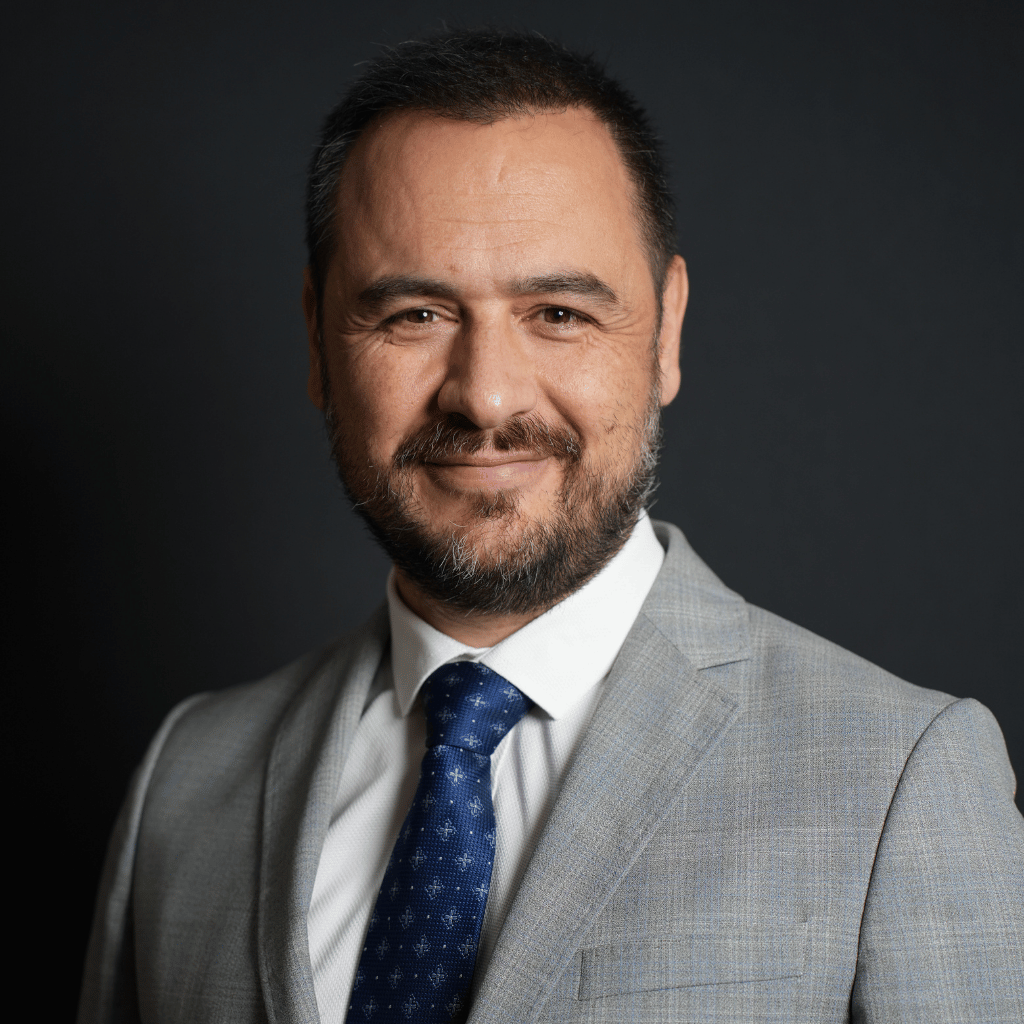
Dr. Mert Demirel
Dr. Mert Demirel is a European Board Certified Plastic, Reconstructive and Aesthetic Surgeon based in Istanbul, with over 20 years of medical experience and a strong focus on natural, balanced outcomes.
He approaches aesthetic surgery as a medically guided decision process, prioritizing anatomical suitability, long-term safety, and individualized treatment planning for each patient.