Most articles about candidacy for a cosmetic procedure are written as checklists. A good candidate has X, Y, and Z; a poor candidate has the opposite. Real consultations rarely fit that shape. Patients arrive with a mix of features, histories, and motivations, and the question is almost never whether they tick every box. The question …
Most articles about candidacy for a cosmetic procedure are written as checklists. A good candidate has X, Y, and Z; a poor candidate has the opposite. Real consultations rarely fit that shape. Patients arrive with a mix of features, histories, and motivations, and the question is almost never whether they tick every box. The question is whether the overall picture points toward a procedure that will actually deliver what they are asking for.
With alar base reduction specifically, candidacy is a pattern, not a checklist. What I am looking for in the consultation is a combination of anatomy, skin behaviour, health, history, and — most importantly — expectations, all pointing the same direction. When they do, the operation is one of the most reliably satisfying procedures in nasal surgery. When they do not, no amount of technical skill compensates for a poor fit.
The anatomical pattern
A reasonable candidate almost always shows a recognisable anatomical signature. None of these are absolute, but when several of them are present, the operation is likely to deliver what the patient wants.
- Alar width that exceeds the intercanthal line. On a frontal view, the widest part of the nostrils sits outside the vertical lines dropped from the medial canthi of the eyes. This is a measurable finding, not a subjective one.
- A tip that is already reasonably defined. Not necessarily refined, but not bulbous, asymmetric, or under-projected in a way that would demand attention in its own right. The tip does not have to be perfect; it has to not be the dominant problem.
- A proportionate dorsum. No prominent hump, no clear deviation, no broad flat upper nose. A well-balanced dorsum gives the alar reduction a stable visual frame to sit under.
- Symmetric nostrils. Genuinely asymmetric nostrils usually signal a structural issue upstream (septal deviation, asymmetric tip cartilages) rather than true alar widening. Isolated base reduction in these patients often highlights the asymmetry rather than resolving it.
- A reasonable nasal sill and columellar position. The operation acts at the base. Anatomy just above and just below the base needs to be in a range the procedure can respect.
A patient who ticks most of these is a strong anatomical candidate. A patient who ticks only one or two usually has a different operation in their future, even if they came in asking for this one.
The skin pattern
Skin quality shapes not only how well the operation heals but also how invisible the scar becomes. A good candidate tends to have:
- Skin that is not excessively thick or sebaceous. Thick skin can heal with more pronounced early scarring and can camouflage contour changes less cleanly. This does not rule out surgery, but it raises the bar.
- No personal or family history of hypertrophic or keloid scarring. Particularly at the face or neck. This is the single most important skin history to ask about, because the alar crease is a visible location and a problematic scar there is hard to hide.
- No active inflammatory skin disease at the alar crease. Acne, rosacea, or other conditions that destabilise healing are worth addressing before surgery rather than after.
- A reasonable response to previous minor trauma. If the patient has had past facial injuries or minor procedures, how did those heal? The answer is informative.
None of these are showstoppers individually. But a patient who has two or three working against them deserves a longer conversation about whether the trade-off of a small width change for potentially more visible healing is the right one.
The health and lifestyle pattern
The operation is small, but it still depends on the body healing tissue predictably. A reasonable candidate usually:
- Is in good general health. No untreated systemic conditions, no uncontrolled diabetes, no chronic inflammatory disease that affects healing.
- Does not smoke, or is willing to stop for an adequate window. Smoking impairs wound healing meaningfully. I ask for at least two weeks of abstinence before and after the procedure, and I am direct with patients about why.
- Is not taking medications that impair healing without the ability to adjust them. Long-term systemic steroids, certain immunosuppressants, and some anticoagulants change the surgical plan. These are not contraindications, but they affect timing and consent.
- Is willing to protect the scar from sun exposure during healing. A patient who will not commit to sun protection in the first three months should know in advance that the scar will likely take longer to fade.
Age is rarely a rigid criterion. I prefer patients to be at least in their late teens, after the face has finished growing. Beyond that, the honest answer is that a well-chosen candidate can undergo a small alar reduction at many stages of adult life, provided the indication and the healing conditions are right.
The history pattern
A reasonable candidate usually has a history that makes the current request coherent.
- A long-standing concern rather than a recent one. A patient who has been bothered by the width of their nostrils for years, in a stable way, is usually a clearer candidate than one who has become preoccupied with them only in recent weeks or months.
- No unrealistic reference images. Photographs shown at the consultation are informative. If they are edited, idealised, or of a different ethnic anatomy than the patient’s own, the conversation needs to slow down.
- No previous cosmetic surgery pattern that suggests escalation. A patient who has had several small procedures looking for a feeling they have not yet found is not usually a candidate for one more small procedure.
- If previously operated on the nose, enough time has passed. Secondary candidacy has its own considerations, and twelve months or more from the primary procedure is usually a minimum.
History is not about judging the patient. It is about understanding whether a small, specific surgery fits the arc of what they have actually been through.
The expectations pattern
This is the part of candidacy I spend the most time on, because it is where otherwise-good candidates most often diverge from the operation they are asking for.
A strong candidate tends to:
- Describe the desired change in small, specific terms. "I want the nostrils to look a little less wide on frontal view" is a very different request from "I want my nose to look completely different."
- Understand that the operation is subtle. A patient who says "even a small change would be enough" is usually a better candidate than one who is hoping for a dramatic shift.
- Accept the presence of a small scar at the alar crease. Not enthusiastic, necessarily, but accepting. A patient who cannot tolerate the idea of any visible scar at the site is asking for an outcome the operation cannot guarantee.
- Have a reasonable time horizon. Willing to wait through the scar maturation process without judging the result at week four.
- Not be arriving at the operation under external pressure. The most durable satisfaction comes from patients who are doing the procedure for themselves, not for anyone else.
This is also the domain in which I most often conclude that a technically appropriate candidate is not yet ready. The anatomy may support the operation; the expectations may not. That is a reason to pause, not to operate.
What strong candidacy looks like in practice
For illustration — and because patterns are clearer than abstractions — a fairly typical patient I would describe as a strong candidate:
- A healthy adult in their late twenties, non-smoker, no significant medical history.
- Alar base measurably wider than the intercanthal line on frontal view.
- Tip and dorsum proportionate; no profile concern raised.
- Skin of moderate thickness, no scar history concerns.
- A specific, stable complaint: the patient has always been bothered by the width of their nostrils and would like a subtle, conservative narrowing.
- No unrealistic reference images, no pressure from external sources, no recent major life upheaval.
- Willing to tolerate a small scar at the alar crease in exchange for a small, durable cosmetic change.
This pattern appears more often than the exaggerated "perfect candidate" description might suggest. Many patients fit it, and in them the operation is predictable and rewarding.
What borderline candidacy looks like
Not every patient fits cleanly. Common borderline patterns and how I think about them:
- Anatomically good candidate with thick, sebaceous skin. I will often operate, but I have an honest conversation about scar maturation taking longer and being more visible in the first few months.
- Appropriate anatomy but only recent preoccupation with the nose. I usually suggest a few months of reflection before proceeding, particularly if the concern has emerged during a life transition.
- Appropriate anatomy but history of revision-requesting behaviour after other procedures. Careful consultation, sometimes a second opinion, often a decision to defer.
- Appropriate anatomy but unclear on whether the tip is contributing. More time in the consultation, often a staged conversation rather than a single-visit decision.
Borderline is not a rejection. It is an invitation to slow the consultation down.
A grounded summary
A reasonable candidate for alar base reduction is a patient whose anatomy genuinely shows widening, whose skin and health support predictable healing, whose history makes the request coherent, and whose expectations fit what a small, specific operation can deliver. Strong candidates appear often, and in them the operation is quietly satisfying.
The surgeon’s job is to identify those patients honestly and to take time with the ones who do not fit cleanly. Candidacy is not about saying yes to everyone who asks, or no to everyone who is imperfect. It is about matching the operation to the patient in front of you — and being willing to say, when the match is not there, that the right answer might be a different procedure, a later procedure, or no procedure at all.
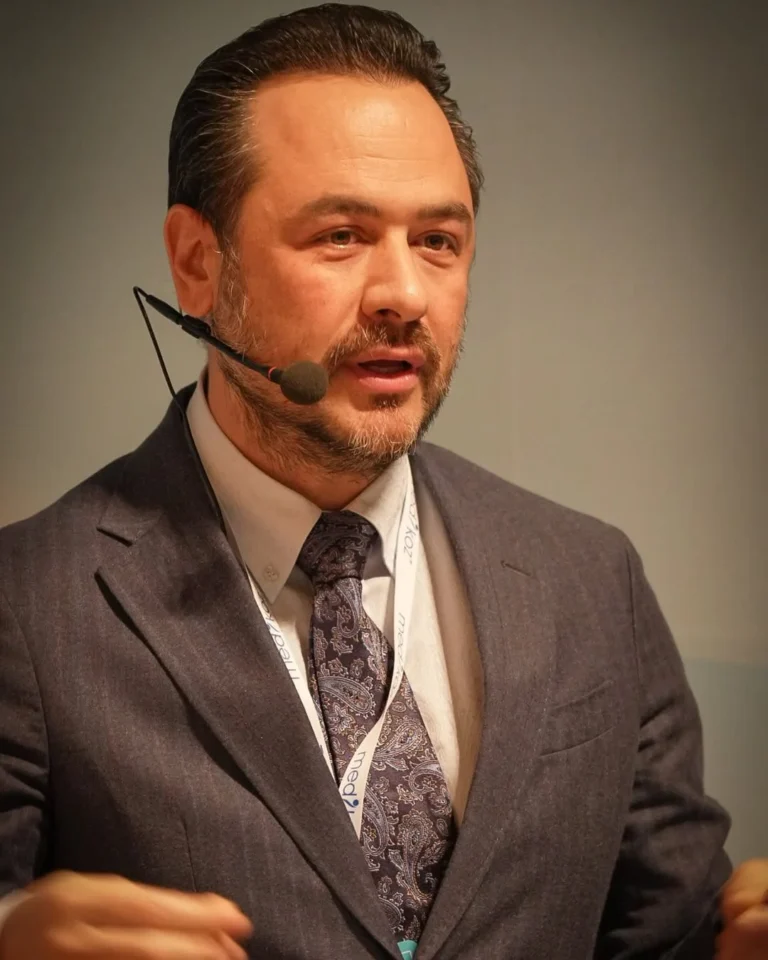
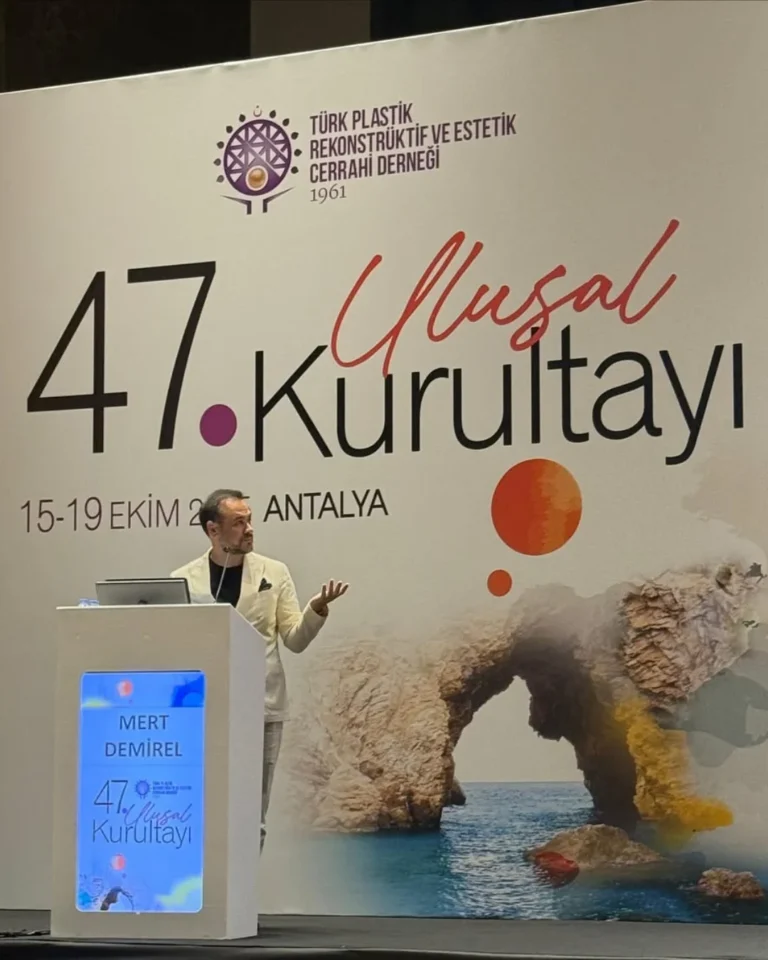
Op. Dr. Mert Demirel
European Board Certified Plastic Surgeon (EBOPRAS)
ISAPS & ASPS Member
Istanbul, Turkey
Sent via Notion Automations
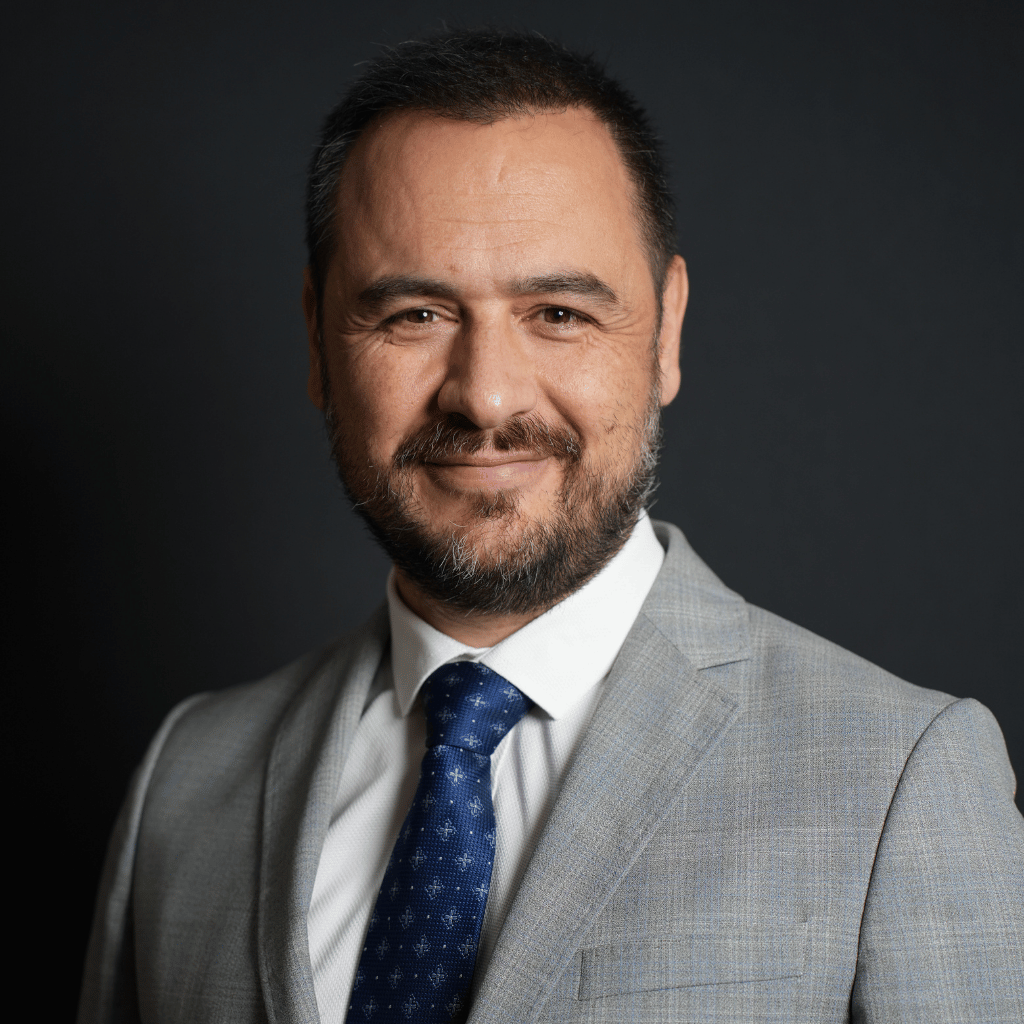
Dr. Mert Demirel
Dr. Mert Demirel is a European Board Certified Plastic, Reconstructive and Aesthetic Surgeon based in Istanbul, with over 20 years of medical experience and a strong focus on natural, balanced outcomes.
He approaches aesthetic surgery as a medically guided decision process, prioritizing anatomical suitability, long-term safety, and individualized treatment planning for each patient.