Ankle fullness is often described as “stubborn fat,” so it’s natural to assume that once the fat is removed, the result should be permanent in an absolute sense. The reality is more nuanced: the body tends to be stable, but it is never static. The more accurate question is not “Can it come back?” but …
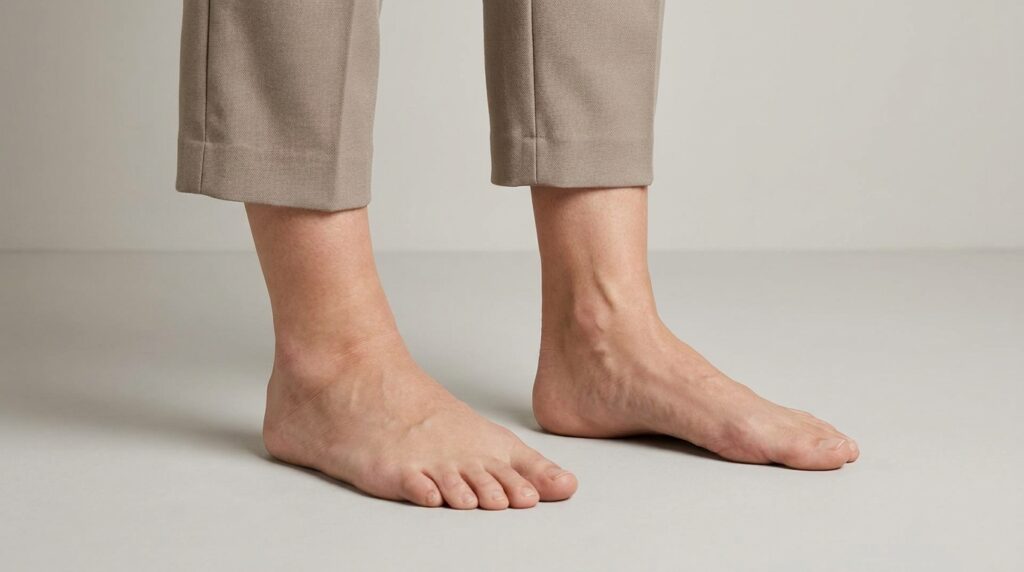
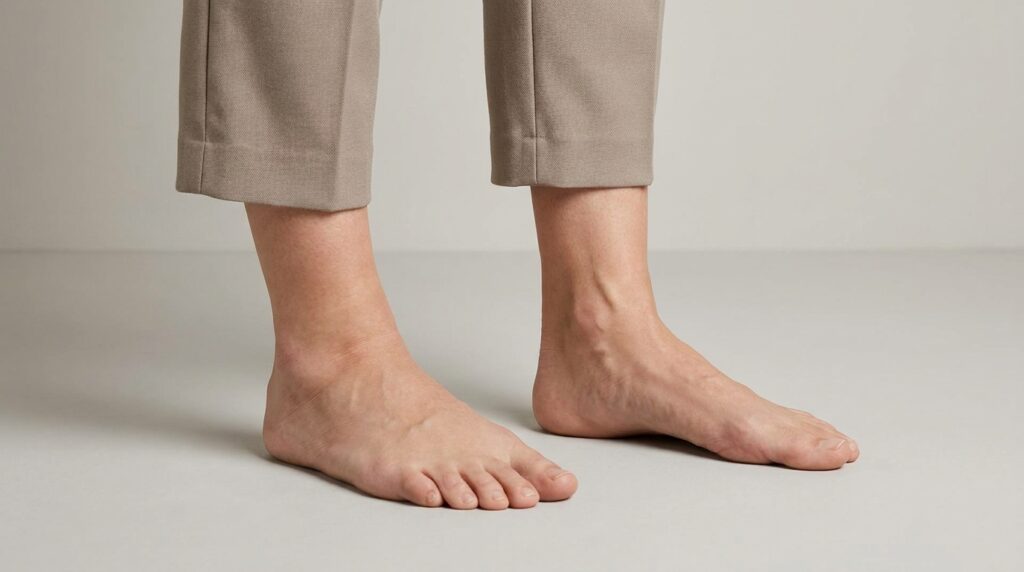
Ankle fullness is often described as “stubborn fat,” so it’s natural to assume that once the fat is removed, the result should be permanent in an absolute sense. The reality is more nuanced: the body tends to be stable, but it is never static.
The more accurate question is not “Can it come back?” but “Under what conditions does the improvement stay stable?”
In this article, I’ll explain what ankle liposuction truly changes, what it cannot change, and why long-term results depend on fat cell biology, the dominant driver of the ankle contour, and the patient’s long-term weight stability and tissue behavior.
Define the anatomical driver
“Ankle fullness” can come from different sources. If we do not define the driver, it is easy to blame the wrong tissue—and then judge the result unfairly.
In some patients, the dominant issue is localized fat distribution. In that scenario, targeted liposuction can meaningfully reduce volume and improve the transition from the lower leg to the ankle.
In others, the appearance is driven more by fluid tendency (swelling), skin thickness, or simply the underlying structural anatomy (bone and tendon contours). Liposuction may still refine the area, but it cannot “erase” a baseline shape that is not created by fat.
This distinction matters because permanence is not one concept. Fat-related improvement can be long-lasting, while swelling patterns or structural features may still influence the ankle’s look over time.
What each option changes (and what it cannot change)
When the dominant driver is fat, ankle liposuction works by removing a portion of fat cells in the treated zone. Fat cells that are removed do not regenerate in the same way—the body does not simply “refill” the same number of cells in that exact pattern.
However, the remaining fat cells in the area can still enlarge if there is significant weight gain. That’s why the long-term contour is most stable when overall weight is stable.
When swelling or circulation-related factors dominate, compression therapy, activity patterns, and medical evaluation (when indicated) may be more relevant than pursuing additional volume reduction. If the appearance is mainly structural, the honest limitation is that liposuction cannot change bone anatomy or tendon pathways.
Use the decision as a clinical checklist:
- Driver: What is the dominant anatomical driver — fat, fluid tendency, skin thickness, or structure?
- Skin envelope: Does the skin have enough recoil to contract after volume reduction?
- Trade-off: Is the goal refinement (subtle but natural) or a more dramatic change that the anatomy may not safely allow?
- Timeline: Are expectations aligned with the settling timeline (early swelling vs final contour)?
Time-course realism
Even when fat removal is successful, the early result is not the final result. Swelling fluctuates, and the ankle is a region where fluid shifts are common—especially with heat, travel, long periods of standing, or hormonal cycles.
In the first weeks, it is normal for the contour to look uneven or “variable” from day to day. Over the next months, the tissues gradually settle and soften. A result that looks imperfect early can still mature into a balanced contour with time.
Long-term, the outcome is typically most predictable when:
- the initial diagnosis was correct (fat was truly the dominant driver),
- the patient maintains weight stability, and
- expectations are aligned with what liposuction can and cannot change.
If fullness appears to “return,” it is important to clarify what is actually changing: true fat accumulation, swelling, or simply the normal way tissues behave over time. The correct next step is evaluation—not assumptions.
Ankle liposuction can provide a long-lasting improvement when the dominant problem is fat and when long-term conditions remain stable. But permanence in aesthetic surgery is rarely absolute: biology, swelling tendencies, and overall body changes still matter.
The principle is simple: the procedure should follow the diagnosis, not the other way around—and sometimes the best decision is to wait, observe, or do nothing until the driver is clearly defined.
Op. Dr. Mert Demirel
European Board Certified Plastic Surgeon (EBOPRAS)
ISAPS & ASPS Member
Istanbul, Turkey