ACADEMIC RESEARCH
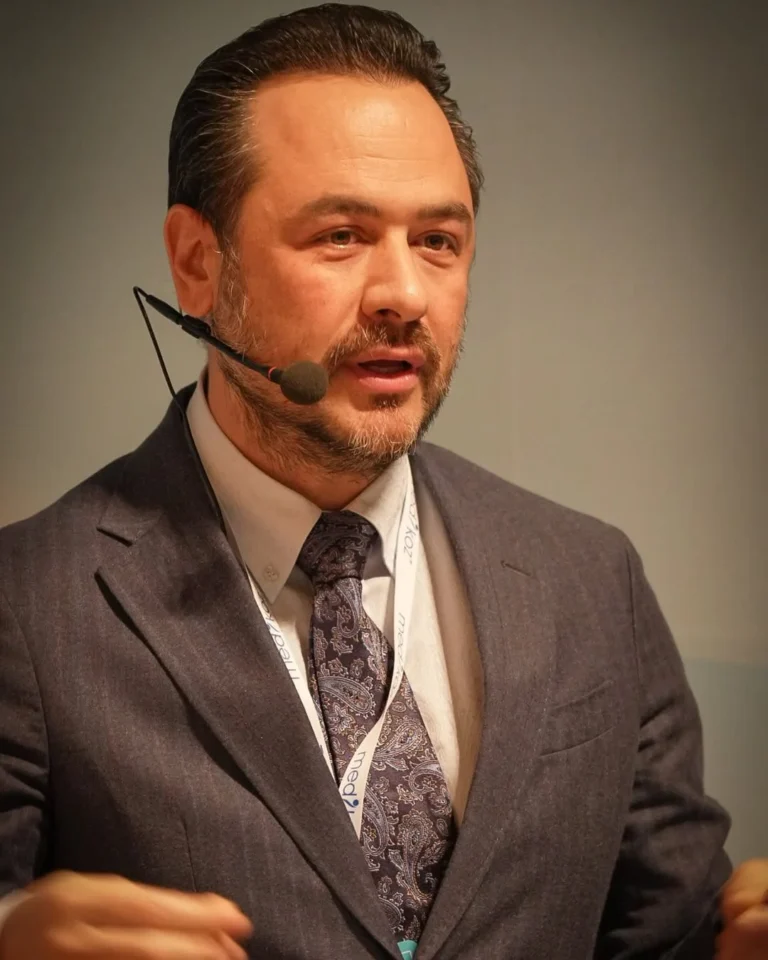
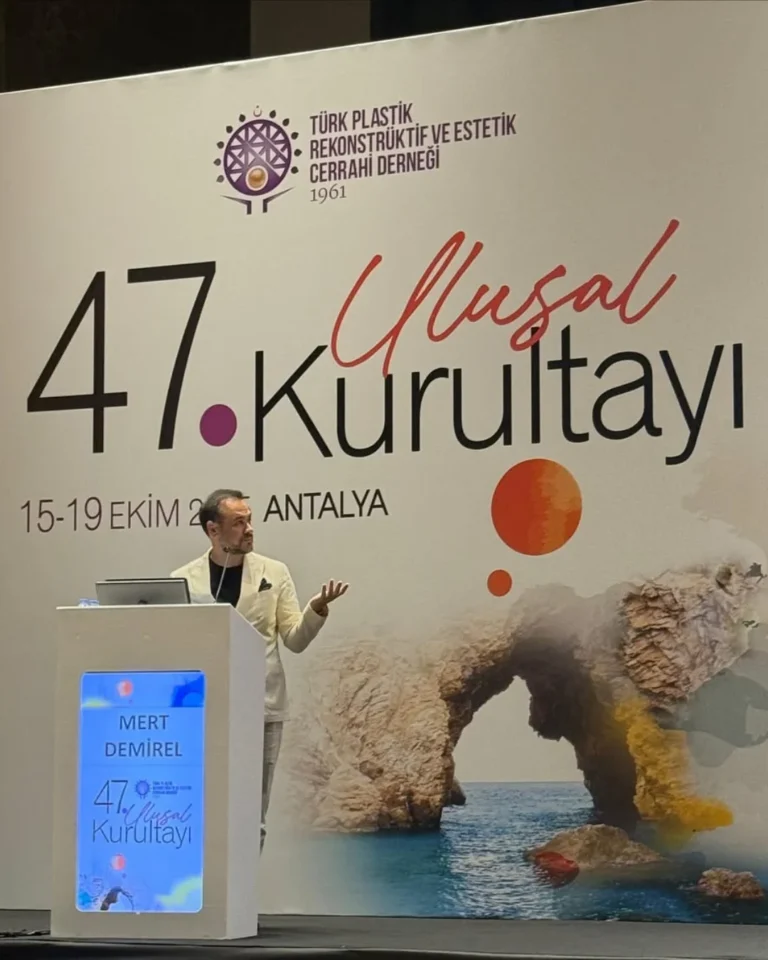
A curated archive of my research-driven approach to aesthetic surgery — featuring the Chestnut Technique, invited talks, and clinical presentations centered on anatomy, candidacy, and safety-first decision making.
Beyond Technique: A Decision-Based Framework for Aesthetic Surgery
My academic work in plastic surgery has always been driven by a practical question: How can we make outcomes more predictable while keeping them natural, proportionate, and safe over the long term? In aesthetic surgery, technical skill matters, but consistency comes from something deeper: a disciplined way of defining the real problem, understanding the mechanism behind it, and choosing the smallest effective solution that matches the patient’s anatomy and goals.
In my clinical practice, I have learned that many “procedure requests” are actually shorthand for an underlying structural or biological issue. A patient may ask for a rhinoplasty, but the true driver can be projection, asymmetry, airway function, skin quality, or support dynamics. A patient may request body contouring, but the dominant variable may be tissue elasticity, fascial integrity, or the distribution of fat rather than volume alone. This is why my approach to research and academic presentation is not built around marketing terms or one-size-fits-all “methods.” It is built around decision-making frameworks: classification, candidacy, trade-offs, and the mechanisms that create stability.
Why I Present My Work
My goal in academic settings is to share concepts that improve decision quality for surgeons and patients alike. Aesthetic surgery evolves quickly, but not every trend represents progress. The most valuable ideas are the ones that help us reduce avoidable revisions, select the right technique for the right anatomy, and communicate boundaries honestly. When I present, I aim to be specific about what is controllable and what remains variable, because this is where ethical practice and long-term patient satisfaction meet.
The “Chestnut Technique” as a Research Theme
On this Academic Research page, I will be sharing my work around the Chestnut Technique alongside other presentations and clinical talks. The Chestnut Technique should be understood as part of a larger philosophy: surgical thinking that prioritizes structure, balance, and long-horizon stability. In my view, any technique is only as good as its indication. A technique must be described not only by what it does, but by:
- Which anatomical problem it addresses
- Which patient categories it fits best
- What trade-offs it requires
- What it cannot promise
- How outcomes should be evaluated over time
As new material is added here, I will present the Chestnut Technique with that same academic discipline: mechanism first, indications second, steps and refinements third, and outcome interpretation anchored to realistic healing timelines.
Aesthetic Surgery as Decision Architecture
A consistent theme in my research and teaching is that aesthetic surgery is not a “package,” and it is not a shortcut to a template result. It is decision architecture. The quality of the final outcome is often determined before the first incision, through the quality of:
- problem definition and classification
- candidacy assessment and safety thresholds
- planning and intraoperative checkpoints
- communication of realistic ranges (not guarantees)
- follow-up strategy and staged options when needed
This framework applies across breast surgery, rhinoplasty, facial rejuvenation, and body contouring. While techniques differ, the decision logic stays stable. This is also the most honest way to communicate aesthetic medicine: not by selling certainty, but by building clarity.
Research, Documentation, and Accountability
I believe academic work must remain accountable to clinical reality. Results are shaped by variables such as tissue quality, healing biology, scar behavior, symmetry limits, and patient-specific lifestyle factors. This means responsible academic communication avoids absolute language. Instead of “always” and “never,” we should speak in conditions and criteria. Instead of promising permanence, we should define what stability means and under which conditions it holds.
For that reason, the materials published here will aim to be structured and reproducible: clear definitions, patient selection principles, operative reasoning, and the limits of each approach. Where appropriate, I will also include the evolution of my thinking over time—what I refined, what I stopped doing, and why.
What You Will Find on This Page
This page will serve as a curated archive of my academic output, including:
- Chestnut Technique (concept, indications, surgical logic, refinements)
- Congress presentations and invited talks
- Clinical case discussions and technique-focused lectures
- Decision frameworks for candidacy, safety, and natural outcomes
My intent is simple: to contribute to a more disciplined, mechanism-based language in aesthetic surgery—one that protects patients from unrealistic expectations and supports surgeons in making better, more consistent decisions.
As I add each presentation, I will frame it with the same question that guides my practice: What is the real problem, what are the honest constraints, and what is the most appropriate solution for this specific anatomy?
- List Item #1
- List Item #1
Let’s Understand Your Goals
Complete the form to schedule your consultation with Dr. Mert Demirel and explore the most suitable options for your case.