CREDENTIALS
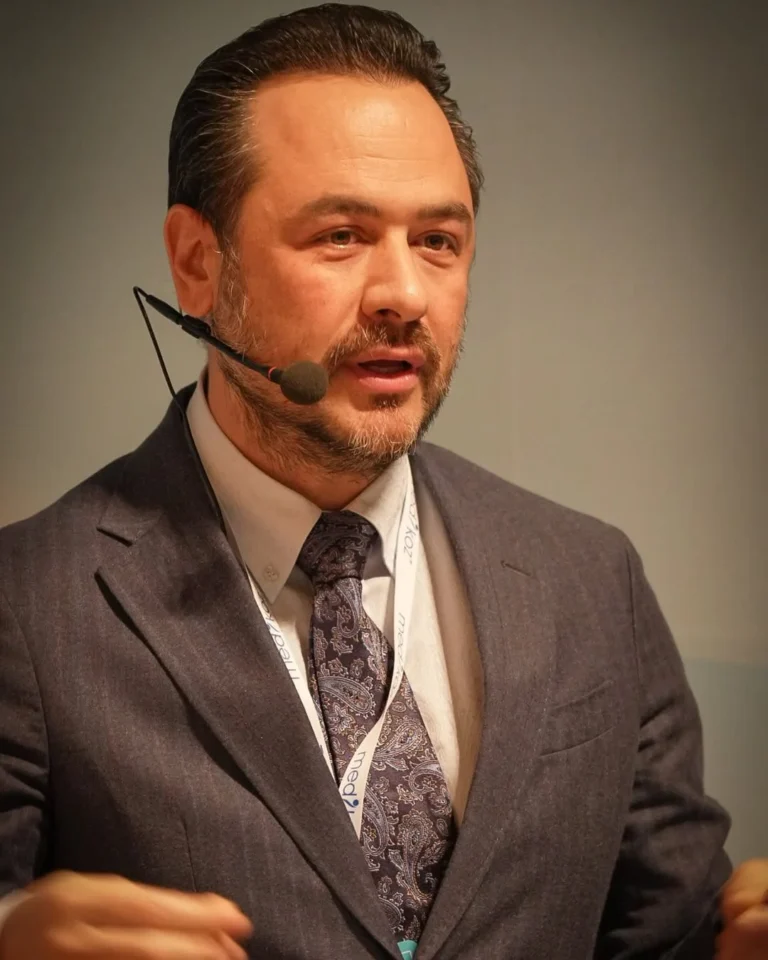
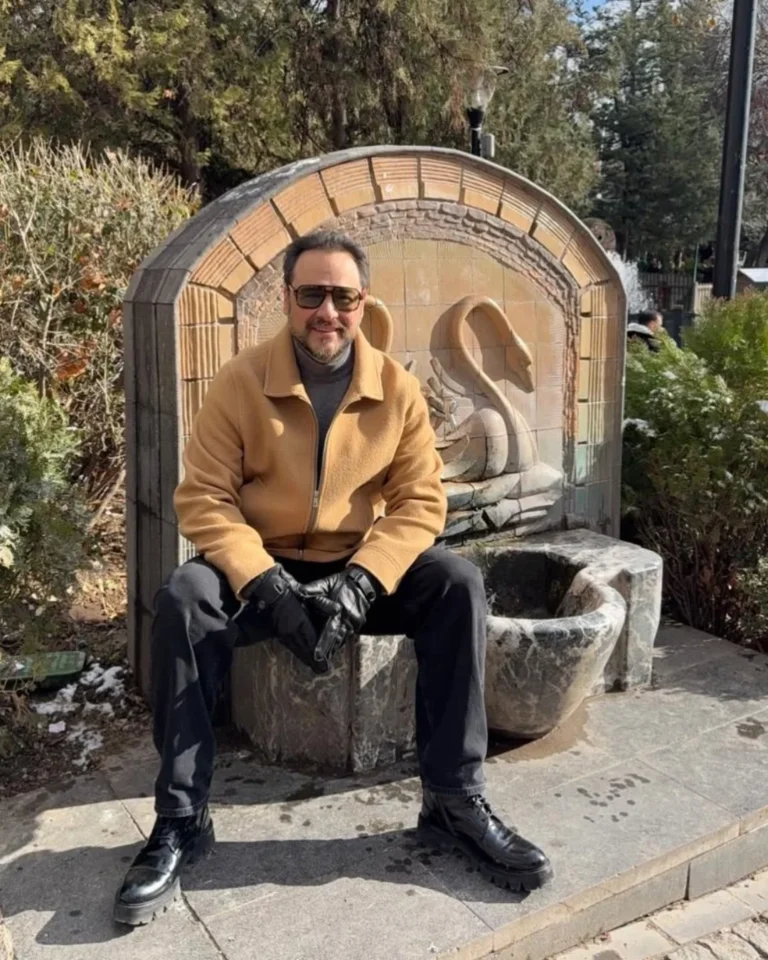
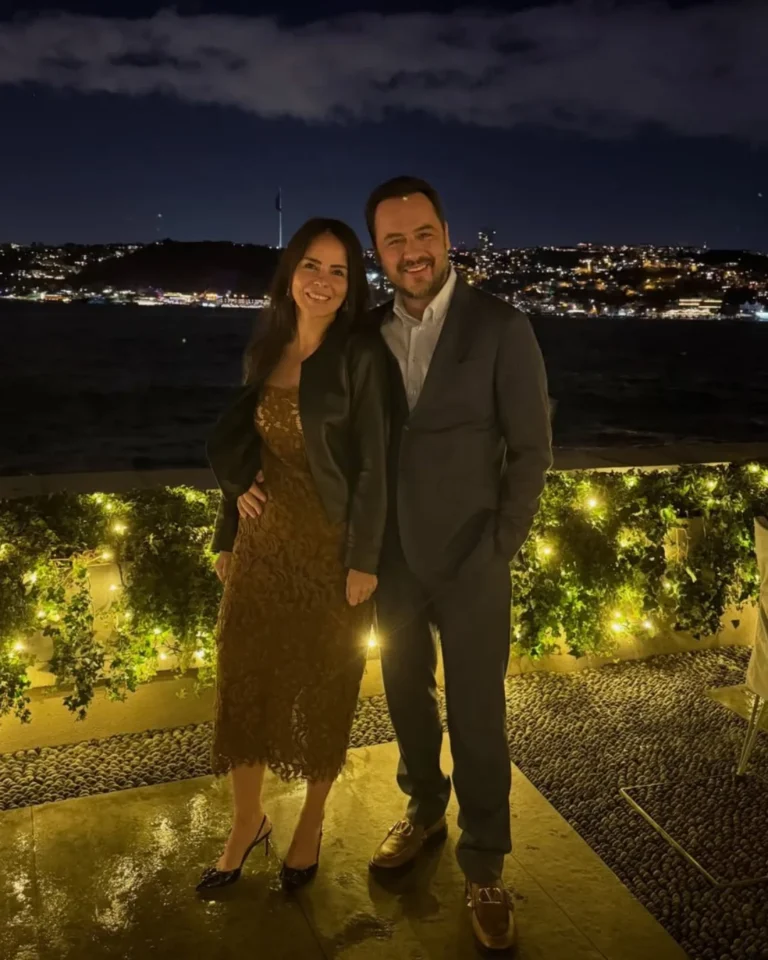
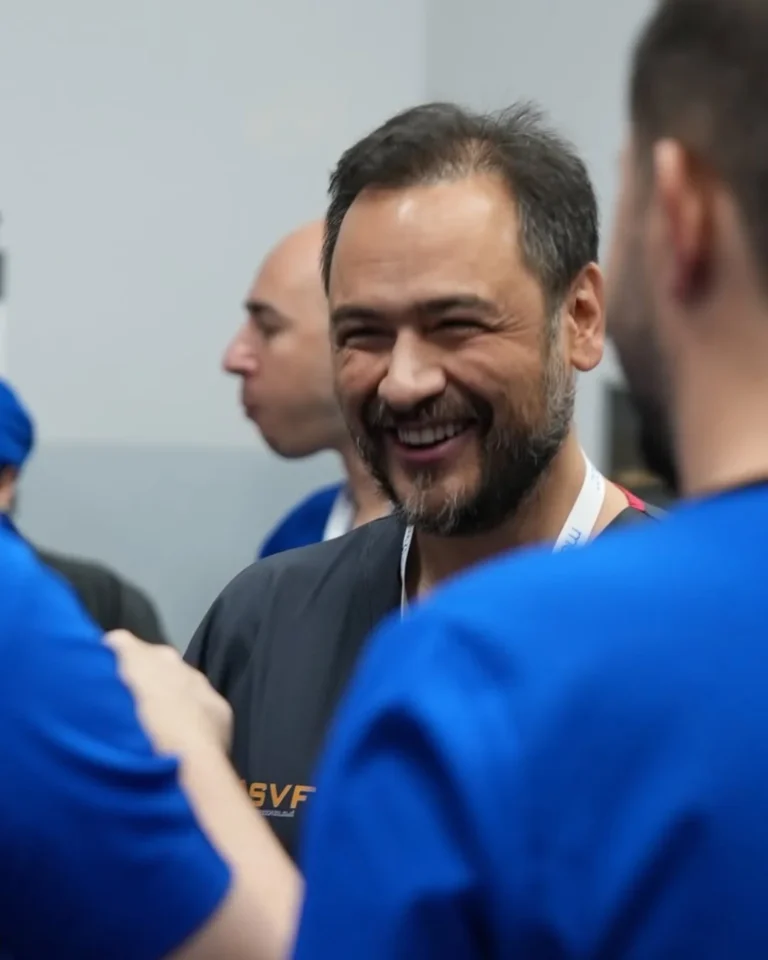
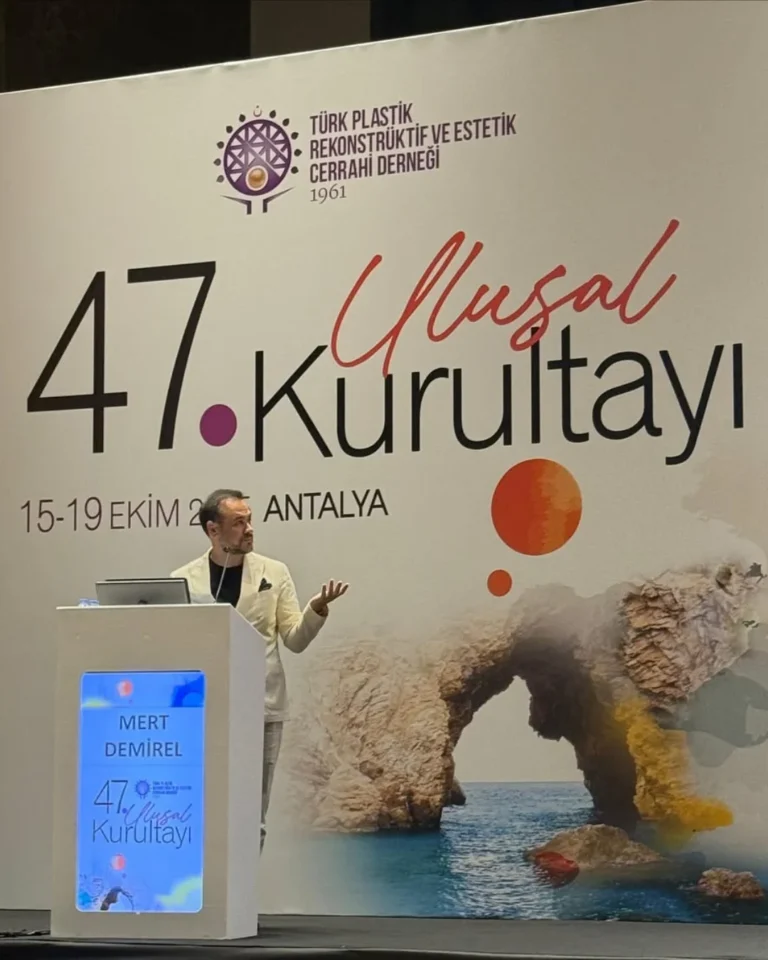
Dr. Mert Demirel is a plastic, reconstructive, and aesthetic surgeon educated at Ankara University, with specialist training completed in 2010 and advanced microsurgery training at the University of Zurich. He earned European Board Certification (EBOPRAS) in 2015, expanded his international exposure through observations in the United States and Brazil, and is an active ISAPS and ASPS member practicing in Istanbul. His work emphasizes safety-first, candidacy-based planning and natural results, with a primary focus on breast surgery, rhinoplasty, facial rejuvenation, and abdominoplasty.
I am Dr. Mert Demirel, a plastic, reconstructive, and aesthetic surgeon based in Istanbul, Turkey. My career in surgery spans over two decades, and it has been shaped by a single guiding principle: aesthetic surgery must be led by clinical standards, anatomical understanding, and long-term responsibility — not by trends, marketing language, or unrealistic promises.
Over the years, my practice has grown around a structured, mechanism-based approach to surgical decision-making. Every consultation, every plan, and every procedure I perform is built on the same foundation: accurate problem definition, honest candidacy assessment, safe execution, and realistic expectation management. I believe that the quality of aesthetic surgery is measured not by how dramatic the change appears, but by how natural, stable, and well-suited the result is to the individual’s anatomy and goals.
This page provides a detailed overview of my medical education, specialist training, international certifications, clinical focus areas, professional memberships, and the philosophy that guides my daily work.
Medical Education
I received my medical degree from Ankara University Faculty of Medicine, one of the most established and respected medical schools in Turkey. My years at Ankara University provided a rigorous foundation in clinical sciences, anatomy, physiology, and medical ethics — all of which continue to shape the way I approach surgical practice today.
Medical school taught me that good clinical outcomes begin long before the operating room. They begin with the quality of observation, the discipline of differential thinking, and the habit of asking why before deciding what. These principles became the core of my professional identity and have remained consistent throughout my career.
Specialist Training in Plastic, Reconstructive and Aesthetic Surgery
Following medical school, I completed my specialization in Plastic, Reconstructive and Aesthetic Surgery at Ankara University, where I earned my board-level specialty qualification in 2010.
My residency years were formative — not only in terms of surgical technique, but in terms of surgical thinking. Ankara University’s plastic surgery programme exposed me to the full breadth of the specialty: from complex reconstructive cases involving trauma, burns, congenital anomalies, and oncological reconstruction, to the nuanced demands of aesthetic surgery where proportions, symmetry, and tissue behaviour determine the quality of the result.
During residency, I developed a deep respect for the interconnection between form and function. In plastic surgery, these two dimensions are never truly separate. A rhinoplasty that improves appearance but compromises the airway is not a success. A breast reconstruction that restores volume but ignores symmetry and natural contour falls short of its purpose. This integrated perspective — aesthetic outcome as a product of structural and functional integrity — became the lens through which I evaluate every case.
Advanced Microsurgery Training — University of Zurich, Switzerland
During my residency, I pursued advanced microsurgery education at the University of Zurich, Switzerland. Microsurgery is one of the most technically demanding disciplines within plastic surgery, requiring precision at the level of millimetres and submillimetres, meticulous vascular understanding, and an acute awareness of tissue perfusion dynamics.
This training had a lasting impact on my surgical philosophy. Microsurgical discipline reinforced the value of:
- Precision — Every millimetre matters, and every tissue plane has a purpose.
- Vascular understanding — Blood supply is the foundation of tissue survival, healing quality, and long-term outcome stability.
- Technical patience — Complex procedures demand sustained focus, careful decision-making under magnification, and the discipline to slow down when the anatomy requires it.
- Respect for tissue — Gentle handling, minimal trauma, and anatomical preservation are not luxuries; they are prerequisites for predictable outcomes.
These microsurgical principles continue to inform my aesthetic surgery practice. Whether I am performing a rhinoplasty, a breast procedure, or a facial rejuvenation, the same respect for tissue integrity, vascular safety, and precision applies.
European Board Certification — EBOPRAS
In 2015, I successfully passed the examinations of the European Board of Plastic, Reconstructive and Aesthetic Surgery (EBOPRAS) and achieved European Board Certification, becoming a Fellow of EBOPRAS.
What Is EBOPRAS?
EBOPRAS — the European Board of Plastic, Reconstructive and Aesthetic Surgery — is the supranational examining and certification body operating under the UEMS (Union Européenne des Médecins Spécialistes / European Union of Medical Specialists). Established in 1991, EBOPRAS sets the highest pan-European standards for competency, training, and professional practice in plastic surgery.
The primary mission of EBOPRAS is to ensure that certified plastic surgeons across Europe meet a unified, rigorous standard of knowledge, clinical competence, ethical conduct, and patient safety. Unlike national board certifications, which vary in structure and requirements from country to country, EBOPRAS provides a harmonised European benchmark — a shared standard that transcends national borders and confirms that a surgeon is qualified for safe, independent practice across the full scope of plastic, reconstructive, and aesthetic surgery.
The EBOPRAS Examination Process
The EBOPRAS examination is a comprehensive, multi-stage assessment designed to evaluate both theoretical knowledge and clinical decision-making ability. It consists of two parts:
Part 1 — Written Examination (Multiple Choice)
The written examination tests the candidate’s theoretical knowledge across the entire spectrum of plastic surgery. This includes anatomy, physiology, wound healing, biomaterials, surgical techniques, complications management, and evidence-based practice. The scope is deliberately broad, covering:
- Congenital abnormalities
- Trauma and burns
- Hand surgery
- Tumour surgery and oncological reconstruction
- General reconstructive surgery
- Breast surgery
- Aesthetic surgery
- Craniofacial surgery
Candidates must demonstrate comprehensive knowledge — not just in their area of primary interest, but across the entire discipline. This breadth requirement reflects EBOPRAS’s philosophy that a fully qualified plastic surgeon must be competent across all domains of the specialty.
Part 2 — Oral Examination
The oral examination is designed to assess clinical reasoning, surgical judgment, and the ability to apply knowledge to real-world clinical scenarios. Candidates are presented with clinical images and case descriptions across eight categories — congenital abnormalities, trauma, burns, hand surgery, tumours, reconstruction, aesthetic surgery, and breast surgery — and must demonstrate their ability to:
- Accurately diagnose and classify the clinical problem
- Formulate an appropriate surgical plan
- Identify potential complications and risk factors
- Communicate a clear decision-making rationale
- Demonstrate awareness of alternative approaches and their trade-offs
The oral examination is conducted by experienced examiners who are themselves leading practitioners and academics in the field. It is not a test of memorisation — it is a test of clinical thinking under pressure.
What EBOPRAS Certification Means
For me, achieving EBOPRAS certification was not simply a professional milestone. It represented a formal, internationally validated confirmation that my training, knowledge, and clinical competence meet the highest European standards in plastic, reconstructive, and aesthetic surgery.
EBOPRAS Fellows are expected to:
- Maintain the highest standards of patient safety and ethical conduct
- Commit to lifelong professional development and continuing medical education
- Practice within the boundaries of their competence
- Uphold the principles of evidence-based medicine
- Contribute to the advancement of the specialty through education, research, or clinical excellence
In a field where titles and credentials are sometimes used loosely, EBOPRAS certification offers patients a clear, verifiable signal of quality. It tells patients that the surgeon has been independently examined and certified by a European-level body — beyond their national qualification — and has demonstrated the knowledge and judgment required for safe, independent practice across the full scope of the specialty.
Why International Certification Matters
Aesthetic surgery is a global field. Patients travel across borders for procedures, and they deserve to know that their surgeon meets internationally recognised standards — not just local or national ones. EBOPRAS certification provides that assurance.
For international patients considering treatment in Istanbul, my European Board certification is one of several objective markers of professional credibility. It reflects a commitment to standards that go beyond the minimum requirements of any single national system, and it aligns with the broader European framework for specialist medical training established by the UEMS.
International Clinical Exposure
In the period following my European Board qualification, I expanded my international clinical exposure through observational experience in leading aesthetic surgery clinics in the United States and Brazil.
These two countries represent some of the most advanced and high-volume aesthetic surgery environments in the world:
- The United States — known for its emphasis on evidence-based practice, patient safety protocols, outcome documentation, and structured surgical planning systems.
- Brazil — recognised for its pioneering contributions to body contouring, breast surgery techniques, and an aesthetic philosophy rooted in natural proportion and harmony.
These international experiences broadened my perspective on surgical planning, patient communication, cultural expectations, and outcome longevity. They reinforced my belief that the best aesthetic surgery is not defined by a single technique or school of thought, but by the ability to integrate the best principles from multiple traditions and adapt them to the individual patient.
Clinical Focus and Areas of Practice
I have been actively practicing in aesthetic surgery since my specialization, with more than 14 years of private clinical practice and a broader medical career spanning over two decades. My primary surgical interests include:
Breast Surgery
Breast surgery is one of the most nuanced areas of aesthetic practice. It requires not only technical precision, but a deep understanding of tissue behaviour, implant dynamics, skin envelope quality, and the patient’s proportional goals. My breast surgery practice includes:
- Breast augmentation — with careful implant selection, pocket planning, and attention to long-term shape stability
- Breast lift (mastopexy) — addressing ptosis through tissue redistribution and structural reshaping
- Breast reduction — balancing volume reduction with proportional harmony and nipple-areola viability
- Revision and implant-related surgery — including capsular contracture management, implant exchange, and conversion procedures
In breast surgery, I place particular emphasis on candidacy assessment — ensuring that the chosen approach matches the patient’s anatomy, not just their aesthetic preference.
Rhinoplasty
Rhinoplasty is perhaps the most complex aesthetic procedure in terms of the number of variables involved. The nose sits at the centre of the face, and even small changes in structure can significantly affect both appearance and function. My rhinoplasty practice covers:
- Primary rhinoplasty — structural reshaping with attention to dorsum, tip, projection, rotation, and airway function
- Revision rhinoplasty — addressing previous surgical results that require correction, refinement, or reconstruction
- Functional rhinoplasty — ensuring that aesthetic changes do not compromise breathing
I approach rhinoplasty as a structural problem, not a cosmetic one. The aesthetic result is a consequence of correct structural decisions — not the other way around.
Facial Rejuvenation
Facial ageing is a multi-layered process involving skin, fat, muscle, and bone. My approach to facial rejuvenation addresses these layers individually and in combination:
- Facelift procedures — restoring volume position and tissue tension in a way that looks natural, not “pulled”
- Structural facial balance — evaluating proportions, skeletal support, and soft tissue distribution
- Complementary procedures — including blepharoplasty (eyelid surgery), fat grafting, and non-surgical treatments as part of a comprehensive plan
The goal is never to “turn back the clock” to an arbitrary age, but to restore a rested, balanced, and harmonious appearance that reflects the patient’s identity.
Abdominoplasty and Body Contouring
Body contouring requires precise evaluation of multiple tissue layers. A “flat abdomen” is not a single anatomical condition — it involves skin quality, subcutaneous fat distribution, and the integrity of the muscle–fascia unit. My body contouring practice includes:
- Abdominoplasty — with attention to rectus diastasis repair, skin envelope management, and waistline definition
- Liposuction — as a contouring tool for areas of resistant fat deposit
- Combined procedures — when multiple tissue layers need to be addressed simultaneously for optimal results
Non-Invasive Aesthetic Procedures
In addition to surgical treatments, I provide a full range of non-invasive aesthetic procedures, including:
- Botulinum toxin applications — for dynamic wrinkle management and facial muscle balancing
- Dermal fillers — for volume restoration, contour refinement, and structural support
- Mesotherapy — for skin quality improvement and targeted rejuvenation
- Microneedling radiofrequency — for skin tightening and textural improvement
I view these options as part of a broader spectrum of care — not as “quick fixes” or substitutes for surgery, but as tools that may be appropriate when they match the underlying mechanism and the patient’s goals. The decision between surgical and non-surgical approaches is always based on anatomical reality and expected outcome quality, not convenience or marketing pressure.
Professional Memberships
I maintain active membership in international and national professional communities, including:
- ISAPS (International Society of Aesthetic Plastic Surgery) — the leading global organisation for aesthetic plastic surgeons, promoting safety, education, and ethical standards in aesthetic surgery worldwide.
- ASPS (American Society of Plastic Surgeons) — the largest plastic surgery specialty organisation in the world, dedicated to advancing quality care and supporting education, research, and patient safety.
These memberships reflect my commitment to ongoing professional development, international clinical exchange, and alignment with the highest global standards in aesthetic and reconstructive surgery. Active participation in these organisations provides access to the latest research, surgical innovations, and evidence-based practice guidelines that directly inform my clinical work.
Current Practice and Health Tourism Authorization
I currently practice at my private clinic in Istanbul, which operates as a Ministry of Health Authorized Health Tourism Facility. This official authorization confirms that the clinic meets the regulatory standards required to provide structured, safe, and legally compliant care to international patients.
Health tourism authorization is not a marketing label — it is a regulatory status granted by the Turkish Ministry of Health to facilities that meet specific criteria for:
- Medical standards and clinical protocols
- Patient safety and hygiene requirements
- Communication and documentation in international healthcare contexts
- Continuity of care throughout the patient journey
Surgical procedures are performed in collaboration with leading hospitals in Istanbul, ensuring that operating room infrastructure, anaesthesia support, and post-operative care standards remain fully aligned with patient safety. For international patients, my team provides coordinated support for the entire medical travel process, including transfer arrangements and accommodation planning when needed.
Professional Philosophy
I do not consider aesthetic surgery as a standardised package. Each patient represents a different anatomical reality, different tissue behaviour, different healing biology, and different expectations. My role as a surgeon is not to apply the same method to every individual, but to:
- Define the true problem — What is the actual anatomical issue driving the patient’s concern?
- Explain the mechanism clearly — Why does the anatomy look or function this way? What are the contributing factors?
- Evaluate options with balance — What are the surgical and non-surgical approaches available? What are their respective strengths, limitations, and trade-offs?
- Protect the decision with a risk–benefit framework — Is the expected benefit proportionate to the risks involved? Is this the right time, the right approach, and the right patient for this procedure?
- Set realistic expectations — Not promises, but honest outcome ranges that account for biological variability and individual healing.
When aesthetic change is done correctly, it should look natural — not “operated.” People should notice that someone looks well, rested, and balanced — not that they have had surgery. This is particularly important in facial aesthetics and rhinoplasty, where the margin between “refined” and “overdone” is measured in millimetres.
Ultimately, the most meaningful measure of success in my practice is not a dramatic transformation. It is a patient who feels well-informed, genuinely safe, and satisfied with a result that respects their face, their body, and their individuality.
Summary of Credentials
| Credential | Detail |
|---|---|
| Medical Degree | Ankara University Faculty of Medicine |
| Specialist Qualification | Plastic, Reconstructive and Aesthetic Surgery — Ankara University (2010) |
| Advanced Microsurgery Training | University of Zurich, Switzerland |
| European Board Certification | EBOPRAS — European Board of Plastic, Reconstructive and Aesthetic Surgery (2015) |
| International Clinical Exposure | United States and Brazil — observational experience in leading aesthetic surgery clinics |
| Professional Memberships | ISAPS (International Society of Aesthetic Plastic Surgery), ASPS (American Society of Plastic Surgeons) |
| Clinical Experience | 14+ years private practice, 20+ years in medicine |
| Current Practice | Private clinic in Istanbul — Ministry of Health Authorized Health Tourism Facility |
Let’s Understand Your Goals
Complete the form to schedule your consultation with Dr. Mert Demirel and explore the most suitable options for your case.